
Food Poisoning
11 Sept 2026 · 5 min read
On this page15 sections
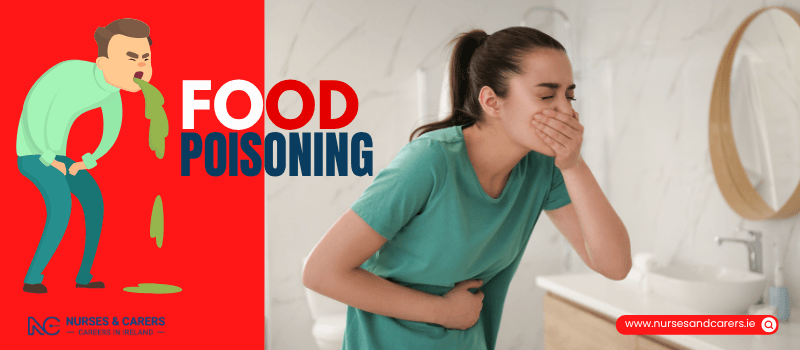
Food poisoning is a common illness caused by consuming contaminated food carrying harmful bacteria, viruses, or toxins. While it can be deeply uncomfortable, it is rarely serious. Most individuals make a full recovery at home within a few days.
Key Symptoms and Timeline
Symptoms usually surface 1 to 2 days after eating the contaminated food, though they can manifest within a few hours or take several weeks to appear.
Main Symptoms
Nausea and active vomiting
Diarrhoea (which may contain visible blood or mucus)
Stomach cramps and abdominal pain
Generalized weakness, muscle aches, and chills
Loss of appetite
A high temperature (fever)
Causes and Common Pathogens
Contamination occurs when food is handled, stored, or cooked incorrectly. This leads to cross-contamination—the spread of bacteria between raw items, surfaces, and kitchen tools.
Common Triggers
Undercooking or reheating food insufficiently.
Improper storage (e.g., failing to chill or freeze foods promptly).
Leaving cooked food out of the refrigerator for too long.
Poor hygiene by the person preparing the food.
Consuming products past their designated use-by date.
Culprit Germs
Campylobacter: Found routinely on raw or undercooked meats, particularly poultry.
Salmonella: Common in raw meat, unpasteurised milk, and raw eggs.
Listeria: Can survive in chilled environments; found in pre-packed sandwiches, soft cheeses, and sliced deli meats.
E. coli: Most frequently linked to undercooked minced beef.
Norovirus: A highly contagious virus that spreads via person-to-person contact or contaminated food and water.
At-Home Treatment
The cornerstone of treating food poisoning is preventing dehydration. Rest and stay home until all symptoms have completely stopped.
Hydration: Drink plenty of water. Sip small amounts frequently if keeping liquids down is difficult.
Rehydration Solutions: Use over-the-counter oral rehydration salts (such as Dioralyte) to replace lost minerals. This is highly recommended for older or frail individuals.
Dietary Guidance: Eat only when you feel ready. Start with small, light portions of bland foods like toast, crackers, or plain white rice.
When to Seek Medical Attention
Non-Urgent GP Advice
Contact your GP if you suspect food poisoning and experience any of the following:
An inability to keep any fluids down due to continuous vomiting.
Symptoms that fail to improve after a few days.
Signs of severe dehydration (e.g., confusion, rapid heart rate, passing little to no urine).
High-Risk Categories: The affected individual is pregnant, aged 60 or older, an infant, has a weakened immune system, or lives with an underlying chronic condition (like diabetes, kidney disease, or IBD).
Your GP may request a stool sample, prescribe specific medications, or refer you to the hospital for closer observation.
Emergency Action
Call 999 or 112, or go to the nearest Emergency Department (ED) immediately if you or your child exhibit any of these severe red-flag symptoms:
Vomiting blood or material that resembles dark coffee grounds.
Bright green or yellow-green vomit.
Suspected poisoning from swallowing a toxic substance.
A sudden, severe headache accompanied by a stiff neck and photophobia (pain when looking at bright lights).
Sudden, severe, localized abdominal pain.
Skin, lips, or tongue turning blue, grey, pale, or blotchy.
Severe breathing difficulties or rapid, short breaths.
Unresponsiveness or acute confusion.
Safety Note: Do not drive yourself to the ED. Have someone else drive you or call for an ambulance. Bring your regular home medications with you.
Prevention Guide: Core Hygiene Rules
1. Personal and Surface Hygiene
Wash Hands: Scrub thoroughly with warm water and soap before handling food, after touching raw meat, using the toilet, cleaning pets, or blowing your nose.
Clean Worktops: Wash counters with hot, soapy water before and after food prep. Antibacterial sprays are optional; soap is sufficient.
Clean Linens: Wash dishcloths and tea towels regularly, allowing them to dry completely before reuse.
2. Cross-Contamination Controls
Separate Boards: Dedicate distinct chopping boards for raw meats/fish and ready-to-eat foods.
Isolate Raw Meat: Keep raw proteins completely away from salads, bread, and fruits.
Fridge Placement: Cover raw meat securely and store it strictly on the bottom shelf of the fridge so it cannot drip onto other items.
3. Safe Cooking and Storage
Cook Thoroughly: Meat must be steaming hot with no pink visible inside. Never wash raw chicken or turkey before cooking, as splashing water spreads bacteria across the kitchen. Thorough cooking is the only way to kill Campylobacter.
Monitor Fridge Temperature: Keep your refrigerator below 5°C using a fridge thermometer. Avoid overfilling it so cool air can circulate.
Cool Leftovers Fast: Allow cooked leftovers to cool for up to 90 minutes, then refrigerate or freeze them immediately. Use refrigerated leftovers within 2 days.
Trust the Dates: Never eat food past its use-by date, even if it smells and looks perfect.
Reporting Food Safety Violations
If you believe your illness was caused by a specific restaurant, takeaway, or food business, report it immediately to your local environmental health department. You can log an official complaint online through the Food Safety Authority of Ireland at fsai.ie. Environmental health officers will investigate the premises to enforce correct hygiene standards.
Disclaimer
The information provided here is for educational and informational purposes only. It does not constitute medical advice, diagnosis, or treatment. Always consult a qualified healthcare professional or your GP for specific medical concerns, diagnoses, or health advice. Never disregard professional medical advice or delay seeking it because of information you have read here.