
Hot Flushes
11 Sept 2026 · 3 min read
On this page7 sections
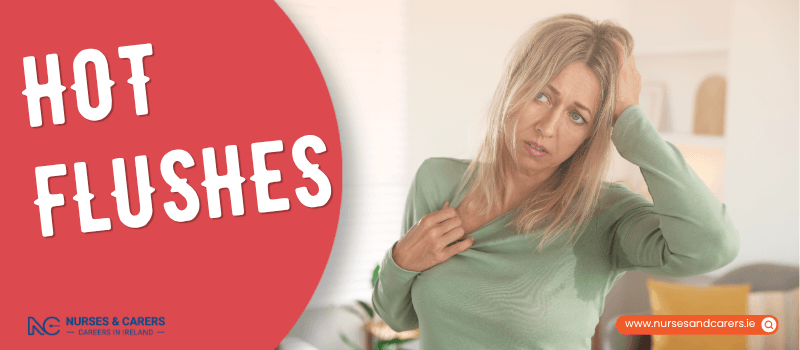
Hot flushes are a sudden feeling of intense heat, primarily affecting the face, neck, and chest, and are the most common symptom experienced during the menopause transition. They can begin months or years before your periods completely stop and typically persist for several years after your final period. While the frequency and intensity vary significantly from person to person, hot flushes are generally harmless.
Symptoms of a Hot Flush
A hot flush typically builds rapidly, lasts for several minutes, and can occur unpredictably during both the day and the night. Common signs include:
A spreading sensation of intense heat across your body and face.
Visible redness or flushing of the skin.
Sudden, profuse sweating.
Palpitations: A sensation that your heart is pounding, racing, or beating irregularly.
Common Causes and Triggers
Hot flushes are primarily triggered by fluctuating hormone levels, which directly disrupt the brain's natural temperature-regulating mechanisms. However, they can also be caused or worsened by:
Dietary Factors: Consuming spicy foods, caffeine, or alcohol.
Lifestyle Habits: Smoking tobacco or wearing thick, restrictive clothing.
Emotional State: Experiencing high levels of stress or sudden anxiety.
Medical Interventions: Undergoing specific cancer treatments (such as hormone therapy) or taking certain prescription medicines.
Underlying Health Conditions: Having an active fever (38°C or higher), an overactive thyroid (hyperthyroidism), diabetes, or chronic infections like tuberculosis.
Practical Self-Care Tips
Adopting simple daily adjustments can significantly reduce the frequency and severity of hot flushes:
Do:
Identify Triggers: Limit or avoid caffeine, alcohol, tobacco, and highly spiced dishes.
Manage Clothing: Dress in loose layers of lightweight, breathable fabrics like cotton or silk, allowing you to remove layers easily when a flush begins.
Cool Your Environment: Keep your living and sleeping spaces well-ventilated, use an electric fan, and swap a heavy duvet for multiple thin bedsheets.
Lower Water Temperature: Opt for lukewarm showers or baths rather than hot ones.
Stay Hydrated: Sip iced or cold water throughout the day, and use a cold gel pack or cool water spray on your face for immediate relief.
Medical Treatments
If lifestyle adjustments do not provide adequate relief, consult your GP to discuss clinical treatment options:
Hormone Replacement Therapy (HRT): This is statistically the most effective treatment for hot flushes. Your GP will carefully evaluate your personal health history to weigh the benefits against the risks.
Non-Hormonal Alternatives: If you cannot take HRT due to a history of hormone-sensitive malignancies (such as breast cancer), your GP can prescribe alternative, non-hormonal medications. These include specific types of antidepressants or a vascular medication called clonidine.
Note: If you suspect a current routine medication is triggering your hot flushes, talk to your GP before altering your dose.
When to Seek a Non-Urgent GP Consultation
While hot flushes associated with menopause are normal, you should contact your GP for a thorough medical evaluation if your flushes are accompanied by:
A general, persistent feeling of being unwell or weak.
Chronic fatigue.
Unintentional, unexplained weight loss.
Persistent diarrhoea.
Disclaimer
The information provided here is for educational and informational purposes only. It does not constitute medical advice, diagnosis, or treatment. Always consult a qualified healthcare professional or your GP for specific medical concerns, diagnoses, or health advice. Never disregard professional medical advice or delay seeking it because of information you have read here.