
Obsessive-Compulsive Disorder (OCD)
17 Sept 2026 · 6 min read
On this page20 sections
Obsessive-Compulsive Disorder (OCD) is a chronic mental health condition characterized by a distressing cycle of intrusive thoughts and repetitive behaviors. It impact daily routines, work, and personal relationships.
The 4-Step OCD Cycle
OCD typically follows a specific, repeating pattern:
Obsession: An unwanted, distressing thought, image, or urge repeatedly enters your mind.
Anxiety: The obsession triggers intense anxiety, fear, or distress.
Compulsion: You feel an overwhelming urge to perform repetitive behaviors or mental acts.
Temporary Relief: The compulsive act briefly eases the anxiety, but the cycle soon restarts.
Note: It is possible to experience obsessive thoughts alone, without performing physical or mental compulsions.
Understanding Obsessions
While most people experience fleeting worries, an obsession is an intrusive, unwanted thought or mental image that dominates your thinking and does not fade away. It frequently interrupts daily activities and impairs focus.
Common Obsessional Themes
Contamination: Intense worry about catching a disease, infection, or spreading germs.
Symmetry and Order: Feeling that things must be arranged in a specific order or a precise number of times to ensure safety.
Harm and Aggression: Persistent fear of harming yourself or others, despite having no genuine intention to do so.
Taboo Thoughts: Experiencing violent, offensive, or unwanted sexual thoughts and images, accompanied by a fear that you might act on them.
Understanding Compulsions
Compulsions are repetitive physical actions or mental routines performed to neutralize the distress caused by an obsession. People with OCD generally recognize that these behaviors are irrational, but they perform them because they offer immediate, short-term relief.
Compulsions are categorized into two types:
Overt Behaviors: Visible physical acts (e.g., hand washing, checking locks).
Covert Behaviors: Hidden mental acts (e.g., internal counting, repeating words silently).
Common Compulsive Behaviors
Excessive Cleaning: Repeated hand washing, showering, or cleaning household items.
Checking: Continuously verifying that doors are locked, windows are shut, or appliances are turned off.
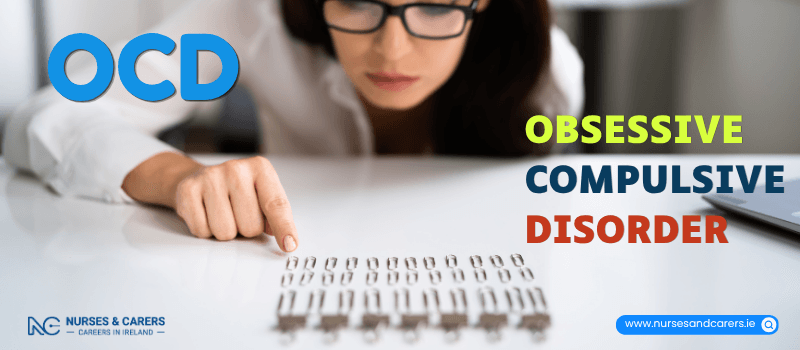
Ordering and Arranging: Spending significant time lining up objects until they feel "just right."
Mental Neutralizing: Repeating specific words in your head or forcing a "good" thought to counteract a "bad" one.
Reassurance Seeking: Continually asking family or friends for validation to ease doubts.
Avoidance: Completely staying away from specific places, people, or situations that might trigger the obsessive cycle.
Hoarding: Accumulating items and finding it difficult to discard them.
Associated Mental Health Challenges
OCD frequently co-occurs with other psychological conditions, including:
Clinical depression.
Eating disorders.
Generalised Anxiety Disorder (GAD).
Hoarding disorder.
Important: Individuals experiencing both severe OCD and depression face an elevated risk of suicidal ideation.
When and How to Get Help
OCD rarely improves without intervention. If intrusive thoughts or repetitive behaviors are disrupting your quality of life, take action:
Clinical Next Steps
Consult Your GP: Schedule an appointment to discuss your symptoms. Your GP can provide an initial assessment and refer you to a trained psychological therapist.
Support a Friend: If you suspect a loved one has OCD, gently ask if their daily routines or well-being are being impacted by persistent worries or habits.
📞 Immediate Support
If your symptoms leave you feeling hopeless, distressed, or experiencing thoughts of self-harm, confidential emotional support is available 24/7:
Samaritans Helpline: Call 116 123 (Freephone from the UK and Ireland).
Treatment
Obsessive-Compulsive Disorder (OCD) is highly treatable. The two primary clinical interventions are evidence-based psychological therapy and prescription medication. Depending on the severity of your symptoms, your GP may recommend one or a combination of both approaches.
1. Psychological Therapy
Talking therapy helps you identify the mechanisms behind your OCD and introduces actionable coping strategies. The gold-standard treatment for OCD is a specialized form of Cognitive Behavioural Therapy (CBT).
Exposure and Response Prevention (ERP)
ERP is the specific type of CBT used to systematically dismantle the OCD cycle.
The Process: It involves deliberately confronting your obsessive triggers or thoughts (exposure) without performing the accompanying ritual or mental act (response prevention).
Graded Approach: Therapy begins with low-anxiety situations. Once you adapt and your baseline anxiety drops, you gradually move on to more distressing triggers.
The Outcome: Over time, your brain learns that the anxiety passes naturally without the need for compulsions. While challenging at first, ERP is highly effective.
2. Pharmacological Treatment (Medicine)
If therapy alone is insufficient, or if symptoms are severe, your doctor may prescribe medication alongside your psychological treatment.
Selective Serotonin Reuptake Inhibitors (SSRIs)
How They Work: These medications function by increasing the baseline levels of a chemical messenger called serotonin in the brain, helping regulate mood and anxiety.
Timeline: SSRIs do not work immediately. It typically takes up to 12 weeks of continuous use to notice a therapeutic effect.
Side Effects: Most minor side effects appear early and gradually improve within a few weeks as your body adjusts.
🚨 Critical Safety Warning
There is a very small, documented risk that initiating SSRIs can cause a temporary spike in suicidal thoughts or urges to self-harm, particularly in the first few weeks of treatment.
Contact your GP immediately or go to the nearest Emergency Department (ED) if you experience suicidal thoughts or impulses to self-harm.
Advanced Treatment and Community Support
Specialist Interventions
If standard CBT, ERP, and initial medications fail to show significant improvement after an adequate trial period, your GP can refer you to a tertiary, specialist OCD clinic for advanced care.
Peer Support Groups
Connecting with local or online support networks can significantly assist your recovery. Organizations like OCD Irelandoffer structured groups that help you:
Access practical, peer-led emotional support and daily coping advice.
Break down feelings of isolation, loneliness, or shame.
Re-engage in low-stress social interactions.
Find educational resources designed specifically for your family and close friends.
Website: ocdireland.org
Disclaimer
The information provided here is for educational and informational purposes only. It does not constitute medical advice, diagnosis, or treatment. Always consult a qualified healthcare professional or your GP for specific medical concerns, diagnoses, or health advice. Never disregard professional medical advice or delay seeking it because of information you have read here.