
Placenta Praevia (Low-Lying Placenta)
17 Sept 2026 · 5 min read
On this page17 sections
Overview
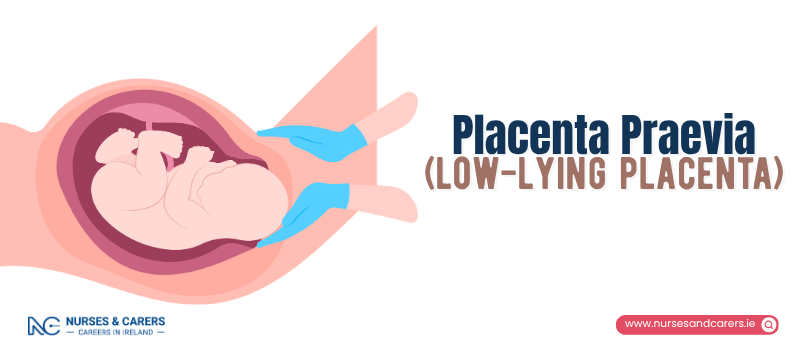
Placenta praevia is an obstetric complication that occurs when the placenta (afterbirth) attaches abnormally within the lower segment of the uterus, either partially or completely covering the cervix (the neck of the womb). Because the placenta is highly vascular, its positioning over the cervical opening can lead to severe, spontaneous bleeding during pregnancy or during the onset of labour.
While a low-lying placenta is routinely identified in mid-pregnancy, true placenta praevia in the third trimester is uncommon, occurring in approximately 1 in 200 pregnancies.
Screening and Physiological Progression
1. Mid-Pregnancy Identification
The initial position of your placenta is recorded during your routine fetal anatomy ultrasound scan, typically performed between weeks 18 and 22 of gestation. If the lower edge of the placenta rests close to or over the cervix at this stage, it is formally logged as a "low-lying placenta."
2. The "Migration" Phenomenon
If you are diagnosed with a low-lying placenta in the second trimester, you will be scheduled for a follow-up ultrasound scan early in your third trimester (around 32 to 34 weeks).
90% Resolution Rate: For 9 in 10 women, the placenta naturally "moves" upward as the upper segment of the uterus expands and stretches during the third trimester. This clears the cervical opening and allows for a normal vaginal birth.
Persistent Placenta Praevia: If the placenta fails to migrate upward and remains anchored over or immediately adjacent to the cervical opening in the third trimester, it is clinically classified as placenta praevia.
Signs and Clinical Symptoms
Placenta praevia is predominantly an asymptomatic condition discovered via routine imaging. However, if clinical signs do manifest later in pregnancy, they include:
Painless Vaginal Bleeding: Sudden, painless, bright red vaginal bleeding occurring during the second or third trimester, or immediately following sexual intercourse. This bleeding can range from minor spotting to sudden, high-volume hemorrhage that puts both the mother and fetus at immediate risk.
Malpresentation of the Fetus: Because the placenta physically occupies the lower cavity of the uterus, it can prevent the baby from turning head-down. This forces the baby into an unusual position, such as a breech presentation (bottom-first) or a transverse lie (sideways across the womb).
Diagnostic Note: If you develop unprovoked bleeding late in pregnancy, your obstetrician will perform a targeted transvaginal ultrasound scan to precisely measure the exact distance between the placental edge and the internal cervical os.
Specialized Prenatal Management
If a third-trimester scan confirms persistent placenta praevia, your pregnancy will be managed under a high-risk obstetric protocol requiring strict safety precautions:
Sustained Surveillance: Serial ultrasound scans will be scheduled to continuously monitor placental positioning and track fetal growth.
Pelvic Rest: Strictly avoid sexual intercourse and penetrative vaginal exams for the remainder of your pregnancy to prevent friction from tearing the fragile placental vessels.
Hematological Support: You will be prescribed high-dose daily iron supplements to optimize your hemoglobin levels and reduce the risk of anemia, ensuring your body is prepared for potential blood loss.
1. Antenatal Hospitalization
At approximately 34 weeks of gestation, your obstetric consultant may recommend admitting you to the hospital's antenatal ward for the remainder of your pregnancy. Inpatient care ensures that if a sudden, high-volume hemorrhage initiates, surgical teams can intervene instantly. If you experience repeated or heavy warning bleeds earlier in your pregnancy, you will be hospitalized immediately.
2. Fetal Lung Maturation
Because placenta praevia carries a high probability of early delivery, you will be given a short course of corticosteroid injections. These steroids rapidly accelerate the development of your baby’s lungs, lowering the risk of respiratory distress syndrome if a premature delivery becomes mandatory.
3. Emergency Blood Transfusion Planning
Due to the risk of severe maternal blood loss, the hospital laboratory will keep your blood cross-matched and on standby. If heavy bleeding occurs during pregnancy or the birth, an immediate blood transfusion will be administered to ensure your safety.
Patient Choice Note: If you wish to refuse blood transfusions or blood products due to religious, cultural, or personal reasons, you must notify your midwife and obstetrician early in your pregnancy so your specific choices can be legally documented in your medical charts.
Delivery Protocols and Premature Birth
1. Planned Caesarean Section
A planned Caesarean section is medically mandatory for true placenta praevia. A vaginal birth is impossible because the placenta blocks the baby's exit route through the birth canal, and the mechanical forces of labour contractions would cause catastrophic placental tearing and maternal hemorrhage.
Timing: To balance the risk of sudden bleeding against the benefits of fetal maturity, your surgical team will schedule your Caesarean delivery between 37 and 38 weeks of gestation.
Emergency Escalation: The operation will be advanced immediately as an emergency procedure if you experience unmanageable bleeding, if labour initiates prematurely on its own, or if fetal monitoring shows signs of distress.
2. Neonatal Intensive Care
Babies delivered early due to placenta praevia are structurally premature and frequently require specialized medical support. Following delivery, your baby may be transferred to a specialized baby unit or a Neonatal Intensive Care Unit (NICU) to manage their breathing and feeding. If your local maternity hospital lacks the specific intensive care facilities required for your baby's gestational age, a specialized neonatal transport team will safely transfer your infant to a tertiary neonatal facility.
Critical Emergency Action Triage
Contact Your Maternity Unit or Emergency Services Immediately if:
You have been told you have a low-lying placenta or placenta praevia and you develop any volume of vaginal bleeding, sudden abdominal pain, or rhythmic uterine contractions.
For All Pregnancies:
Treat any instance of vaginal bleeding during pregnancy as a clinical priority. Contact your midwife, GP, or obstetric team immediately for a rapid assessment if you notice blood.
Disclaimer
The information provided here is for educational and informational purposes only. It does not constitute medical advice, diagnosis, or treatment. Always consult a qualified healthcare professional or your GP for specific medical concerns, diagnoses, or health advice. Never disregard professional medical advice or delay seeking it because of information you have read here.