
Sore or Rib Pain in Pregnancy
18 Sept 2026 · 3 min read
On this page9 sections
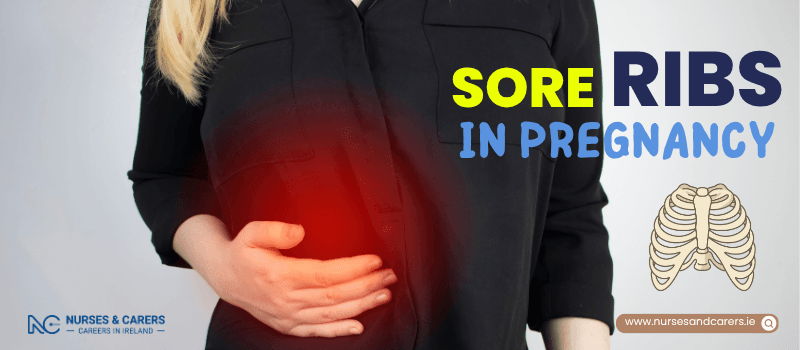
Rib pain is a very common symptom during pregnancy, particularly as you enter the third trimester (weeks 28 to 40). While usually a normal response to your changing body, certain types of rib pain require prompt medical evaluation.
Here is the essential guide to understanding the causes of rib pain, managing it safely at home, and recognizing warning signs.
Causes of Rib Pain in Pregnancy
Your body undergoes several structural and hormonal changes that contribute to rib discomfort:
Growing Baby: As your baby develops, they occupy more space in your abdomen. This upward pressure reduces your rib mobility, leading to stiffness and localized pain.
Indigestion and Heartburn: The growing baby exerts physical pressure on your stomach. Combined with pregnancy hormones that relax the esophagus muscles, this frequently triggers acid reflux and heartburn, which can manifest as chest or rib pain.
Urinary Tract Infection (UTI): Pain located in the lower ribs—either at the front or the back—can sometimes indicate a UTI rather than structural strain.
Prevention and At-Home Management
Preventive Daily Habits
Maintain Good Posture: Sit up straight with your head elevated and shoulders rolled back. This creates more space for your lungs and ribs, while also relieving tension in your neck and upper back.
Wear Supportive Footwear and Clothing: Switch to a properly fitted, highly supportive bra. Avoid underwire styles; a structured nursing bra is an excellent investment you can continue using postpartum.
Stay Active: Practice pregnancy yoga or Pilates to safely enhance your posture, core strength, and spinal flexibility.
Incorporate Breathing Exercises: Perform regular deep breathing techniques throughout the day and right before bed to expand your rib cage.
Optimize Sleep Setup: Use multiple pillows or a dedicated pregnancy body pillow at bedtime to support your bump and align your torso comfortably.
Targeted Rib Stretches
To alleviate acute rib pressure, follow these steps:
Sit comfortably and slowly bend your upper body sideways, moving away from the side that hurts.
Raise the arm on the painful side directly above your head.
Hold this position for a few minutes while taking slow, deep breaths.
Relax and gently return to a neutral upright position.
Safe Pain Relief Options
Apply Targeted Heat: Fill a hot water bottle halfway and hold it directly against the painful area on your ribs. Do not place hot packs on your baby bump.
Seek Specialist Physical Therapy: If the pain persists, ask your GP or obstetrician to refer you to a chartered physiotherapist specializing in pelvic and women's health for tailored exercises.
Discuss Medications: Consult your obstetrician or GP to secure a safe, pregnancy-approved prescription for pain management.
When to Seek Medical Professional Evaluation
Non-Urgent GP Appointments
Contact your doctor if you experience standard rib pain alongside any of the following symptoms:
You are less than 12 weeks pregnant and develop new shoulder or rib pain (which can occasionally indicate an ectopic pregnancy).
Signs of a UTI, including pain, burning, or stinging when peeing.
Cloudy, foul-smelling, or blood-tinted urine.
A running high temperature or fever.
Emergency Medical Attention
Go to your nearest maternity unit or emergency department immediately if your rib pain is accompanied by:
Shortness of breath, a persistent cough, coughing up blood, or heart palpitations (potential signs of a lung infection or blood clot).
Sudden, severe, or unmanageable abdominal or chest pain.
A severe headache, dizziness, or seeing spots in front of your eyes (classic warning signs of pre-eclampsia).
Lower stomach pain or vaginal bleeding when you are under 12 weeks pregnant.
Disclaimer
The information provided here is for educational and informational purposes only. It does not constitute medical advice, diagnosis, or treatment. Always consult a qualified healthcare professional or your GP for specific medical concerns, diagnoses, or health advice. Never disregard professional medical advice or delay seeking it because of information you have read here.