
Anxiety
4 Sept 2026 · 11 min read
On this page22 sections
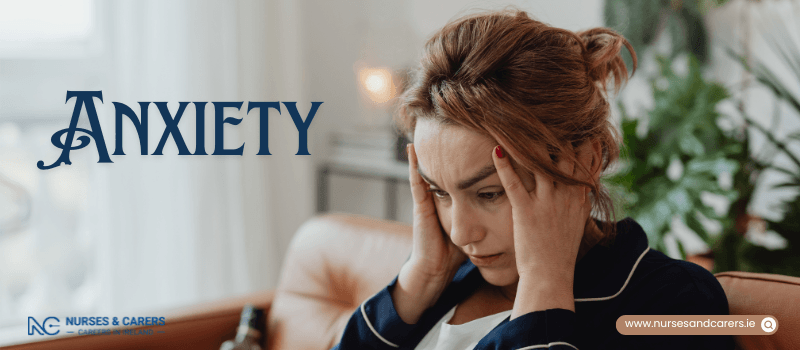
Anxiety is a natural feeling of dread, fear, or unease that everyone experiences at some point in their lives.
Understanding Anxiety in Adults
· A Universal Experience: Anxiety is a natural feeling of worry, apprehension, or fear that everyone experiences at various points in their life.
· The Purpose: These feelings are your body’s biological reaction to stress or perceived danger. A healthy amount of anxiety focuses your attention, keeps you safe, and helps you react to challenging situations.
· The Triggers: It is entirely normal to feel anxious when facing stressful life events, such as sitting a test, speaking in public, attending a job interview, or navigating difficult social occasions.
· When it Builds Up: While occasional anxiety is manageable, these feelings can sometimes accumulate over time, become overwhelming, and grow difficult to control on your own.
Exploring Other Anxiety Resources
Depending on who you are looking to support, there are several dedicated guides available to help you navigate specific situations:
· Supporting Youth: A specialized guide on how to help a child or young person manage anxiety.
· For Teenagers and Young Adults: A resource tailored directly for young people dealing with stress and anxiety.
· Chronic Conditions: A clinical overview focused specifically on Generalised Anxiety Disorder (GAD).
Practical Steps to Manage Your Well-Being
· Self-Care Tips: If you are an adult experiencing daily stress, implementing evidence-based coping strategies can significantly reduce and help you manage your symptoms.
· Next Steps: Learning to identify your personal triggers and using targeted relaxation techniques will help you regain control over your mental health.
Signs and Symptoms of Anxiety
Individual Variations: Anxiety affects different people in different ways. It can impact your thoughts, your emotional feelings, your actions, and your physical health.
The Physical Overlap: Because physical signs of anxiety can easily mimic symptoms of a physical illness, it is important to have a doctor rule out other underlying health conditions.
When to Reach Out: If your symptoms have been ongoing for several weeks, are steadily worsening, or are affecting your quality of life, you should consult your GP or seek professional psychological support.
Psychological and Behavioral Signs
Anxiety heavily influences your mental well-being and daily choices, presenting as:
Emotional Strain: Feeling constantly on edge, restless, highly irritable, or experiencing a persistent sense of dread.
Cognitive Challenges: Experiencing difficulties concentrating, focusing on tasks, or making everyday decisions.
Compulsive Habits: Repeatedly checking things to ensure safety or constantly seeking reassurance from family, friends, or peers.
Avoidance: Avoiding certain places, people, or social situations, or delaying tasks that cause you to feel worried.
Appetite Changes: Experiencing a noticeable increase or decrease in your general appetite, or developing strong cravings for junk food.
Reduced Drive: Noticing a distinct loss of interest in sex or intimacy.
Physical Signs and Symptoms
The body's "fight or flight" response triggers wide-ranging physical reactions, including:
Cardiovascular and Breathing Changes: Developing a strong, fast, or irregular heartbeat (palpitations), sweating, or experiencing shortness of breath.
Neurological and Muscular Stress: Feeling dizzy, trembling, or experiencing pins and needles, a dry mouth, tension headaches, or severe muscle aches—particularly neck and shoulder pain.
Sleep Disturbances: Suffering from poor sleep quality, difficulty falling asleep, feeling exhausted (tiredness), or having frequent nightmares.
Oral and Digestive Distress: Grinding your teeth, clenching your jaw, or experiencing recurring tummy aches and diarrhea.
Health Condition Flares: Experiencing sudden flare-ups of pre-existing chronic health conditions, such as asthma or skin issues like dermatitis.
Specific Types of Anxiety Disorders
Targeted Identification: If your feelings of anxiety are focused around specific triggers, habits, or past events, you may be experiencing a distinct type of anxiety disorder rather than general stress.
The Clinical Value: Recognizing these precise symptom patterns helps healthcare professionals provide an accurate diagnosis and tailor your treatment effectively.
Distinct Symptoms and Potential Conditions
If you experience any of the following symptoms, it could indicate a specific type of anxiety:
Panic Attacks: Experiencing sudden, intense, and frequent episodes of overwhelming fear accompanied by physical symptoms like a racing heart and shortness of breath (often linked to Panic Disorder).
Uncontrollable Worry: Finding it extremely difficult to control your worries regarding a wide variety of everyday situations at home, work, or school (often linked to Generalised Anxiety Disorder / GAD).
Social Avoidance: Experiencing intense fear and actively avoiding meeting new people, speaking in public, or participating in social gatherings (often linked to Social Anxiety Disorder).
Obsessions and Compulsions: Struggling with intrusive, unwanted thoughts and urges, or feeling an overwhelming need to repeat specific actions or rituals to ease your anxiety (often linked to Obsessive Compulsive Disorder / OCD).
Trauma Responses: Experiencing distressing memories, vivid flashbacks, or severe nightmares following a frightening or traumatic life event (often linked to Post-Traumatic Stress Disorder / PTSD).
Specific Phobias: Feeling an intense, unmanageable, and irrational fear of a particular object, place, situation, feeling, or animal.
Health Anxiety: Consistently worrying about your body, misinterpreting normal physical sensations, or living with an overwhelming fear that you have a serious, undiagnosed illness.
Causes of Anxiety
A Personal Response: Anxiety is a highly individualized condition. What triggers intense anxiety in one person may not create the same feeling or reaction in someone else.
The Link to Stress: Anxiety is heavily intertwined with the body's natural response to overall stress, serving as a physiological reaction to challenging environments.
The Stress of Uncertainty: It is common and can be deeply upsetting to feel anxious without knowing the exact cause. Learning to identify your personal triggers is a vital step in managing this uncertainty.
Common Stressful Life Events that Trigger Anxiety
Anxiety frequently develops as an understandable reaction to specific, challenging situations in your daily life, including:
Interpersonal Pressures: Navigating difficult family dynamics or ongoing relationship problems.
Grief and Loss: Coping with a bereavement or the loss of someone close to you.
Health Worries: Managing a sudden illness, a chronic physical health condition, or medical procedures.
Professional and Academic Stress: Dealing with high-pressure work situations, career changes, or exam stress.
Financial Strain: Coping with daily money worries, debt, or economic uncertainty.
Social and Digital Factors: Experiencing physical social isolation or feeling overwhelmed by the constant connectivity and comparison on social media platforms.
Tips to Help Manage and Reduce Anxiety
· Practical Strategies: There are many evidence-based techniques, lifestyle changes, and daily habits you can try to help you manage your anxiety effectively.
· Finding What Works: Because anxiety affects everyone differently, you may need to try a few different approaches to discover which methods work best for your mind and body.
· The Ultimate Goal: Practicing these coping skills regularly can lower your baseline stress levels, calm your nervous system, and help you regain a sense of control during anxious moments.
Self-Help Apps and Courses for Anxiety
Accessible Tools: Utilizing digital apps and structured online courses can provide you with immediate, evidence-based tools to manage and reduce feelings of anxiety.
What They Offer: These digital resources typically teach core principles of Cognitive Behavioral Therapy (CBT), mindfulness techniques, and guided relaxation exercises that you can practice at your own pace.
The Main Benefit: They offer a confidential, flexible way to build coping mechanisms and track your emotional progress directly from your phone or computer.
Recommended Digital Resources in Ireland
When looking for self-help options, you can explore the following trusted digital mental health resources:
SilverCloud Health: An online, evidence-based CBT program available through HSE referral that helps adults learn to manage stress, anxiety, and depression.
Minding Your Mind Courses: Free online stress management and wellbeing programs provided directly by the Health Service Executive (HSE).
Mental Health Apps: Popular, evidence-backed mindfulness and meditation apps like Headspace or Calm, which offer targeted exercises for acute panic and daily anxiety.
The Balancing Stress Programme
· A Free Resource: Balancing Stress is a completely free, evidence-based online programme consisting of six educational videos designed to help you understand and manage your stress levels.
· The Main Focus: This programme provides highly practical, actionable techniques to help you effectively cope with stress, constant worry, anxiety, a low mood, and relationship difficulties.
· Who it is For: It is an ideal self-help tool for anyone looking to build better emotional resilience, calm a racing mind, and learn long-term stress management skills at their own pace.
When to Seek Extra Support for Anxiety
The Next Step: If you have tried self-help tips, apps, or stress management videos and still feel you need extra support, it is time to talk to a professional [HSE Anxiety Guide].
Where to Turn: You can reach out directly to your GP or connect with a dedicated organization that provides mental health services [HSE Anxiety Guide].
How Your GP Can Help
Your GP will provide a confidential space to listen to your concerns and can take several practical steps to support your recovery:
Identify Triggers: Help investigate and find the underlying causes of your anxiety.
Provide Clinical Advice: Offer professional medical guidance on managing your symptoms.
Refer to SilverCloud: Refer you to SilverCloud, a guided digital Cognitive Behavioral Therapy (CBT) service [HSE Digital Mental Health Directory].
Prescribe Medication: Discuss whether short-term or long-term prescription medicine could help stabilize your symptoms.
Outline Treatment Pathways: Explain which evidence-based treatments are best suited for your specific type of anxiety.
Connect to Affordable Therapy: Inform you about local pathways to access free or low-cost talking therapies.
Refer to CIPC: Refer you directly to Counselling in Primary Care (CIPC) if you hold a valid medical card.
24/7 Mental Health Support Services
Immediate Assistance: If you are experiencing a mental health crisis, overwhelming anxiety, or simply need a confidential space to talk, free professional support is available 24 hours a day, 7 days a week.
The Main Benefit: Both of these trusted services offer completely free, nonjudgmental, and confidential care, ensuring you never have to go through a difficult time alone.
Text About It
The Service: A free, 24-hour text-based chat service providing everything from a calming conversation to immediate crisis support for anyone going through an emotional emergency.
How to Connect: Freetext the word HELLO to 50808 at any time of the day or night.
Website: textaboutit.ie
Samaritans
The Service: A vital national resource offering round-the-clock, confidential, and completely nonjudgmental emotional support through a phone helpline, email, and a self-help app.
How to Connect:
Freephone: Call 116 123 (any time)
Email: Send a message to jo@samaritans.ie
Website: samaritans.ie
Supporting Someone Else with Their Mental Health
· A Natural Concern: Noticing that a friend, family member, or co-worker is struggling with their mental health can be deeply worrying, and it is completely normal to feel unsure about how to help.
· The Power of Connection: You do not need to be a medical expert to make a meaningful difference; simply showing that you care and are willing to listen can provide vital comfort.
· Your Next Steps: Learning how to approach the conversation gently, spot warning signs, and safely connect them with professional support can guide them toward recovery.
When to Seek Professional Medical Advice
Recognising the Threshold: While mild stress can be managed at home, certain thresholds indicate that your anxiety requires formal clinical evaluation by a GP or mental health professional [HSE Anxiety Guide].
The Clinical Value: Early professional intervention can prevent symptoms from escalating, help identify underlying triggers, and give you access to evidence-based therapies [HSE Anxiety Guide].
Contact a GP or Mental Health Professional if:
Inability to Cope: You are finding it increasingly difficult to cope with your daily thoughts or emotions [HSE Anxiety Guide].
Daily Disruption: Anxiety is actively having a negative impact on your day-to-day life, including your work, school, or personal relationships [HSE Anxiety Guide].
Persistent or Worsening Symptoms: Your feelings of anxiety have been ongoing for a prolonged period or are steadily getting worse over time [HSE Anxiety Guide].
Immediate Crisis Support
Urgent Appointments: If you feel completely overwhelmed, unsafe, or are experiencing an acute mental health crisis, please request an urgent, same-day appointment with your GP practice or local mental health service.
Emergency Care: If you cannot access an urgent appointment, or if you or someone else is in immediate danger, please go to your nearest hospital emergency department or dial emergency services directly on 999 or 112.
Disclaimer
The information provided here is for educational and informational purposes only. It does not constitute medical advice, diagnosis, or treatment. Always consult a qualified healthcare professional or your GP for specific medical concerns, diagnoses, or health advice. Never disregard professional medical advice or delay seeking it because of information you have read here.