
Fungal Nail Infection
12 Oct 2026 · 3 min read
On this page12 sections
Fungal nail infections are very common conditions that primarily target the toenails, though they can affect fingernails as well. While they are generally not medically serious for most people, they are persistent and can take a long time to fully clear up.
Symptoms and Progression
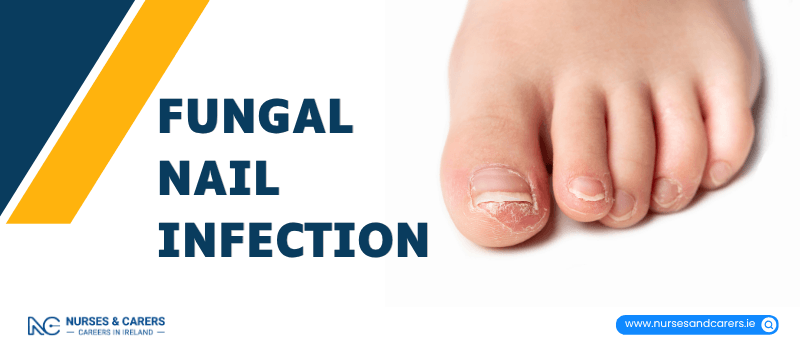
Fungal infections typically start at the outer edges of the nail and gradually spread toward the center. As the infection progresses, it alters the nail in several ways:
Color Changes: The nail turns yellow, white, or brown.
Texture Shifts: The nail becomes significantly thicker, brittle, flaky, or begins to crumble.
Structural Damage: Pieces of the nail may break off entirely, or the nail may lift away from its bed.
Physical Discomfort: The infection can cause pain, tenderness, and swelling in the skin surrounding the nail.
Treatment Options
A fungal infection is only considered cured when you see a completely healthy, uninfected nail growing back from the base.
1. Pharmacist Support (Over-the-Counter)
For mild infections, a pharmacist can recommend over-the-counter antifungal nail lacquers. You paint this medicated liquid directly onto the surface of the affected nail regularly.
2. Prescription Medications (GP Care)
If your infection is severe, spreading to multiple nails, or unresponsive to over-the-counter lacquers, a GP can offer stronger treatments:
Topical Prescription Lotions: High-strength antifungal liquids applied directly to the nail.
Oral Antifungal Tablets: Prescription pills taken daily for up to 6 months. Note: Oral antifungals carry a risk of side effects, including headaches, diarrhea, skin itching, a temporary loss of taste, and potential liver damage. They cannot be taken during pregnancy [1].
3. Surgical Removal
If a nail is severely damaged, painful, or completely unresponsive to medication, a doctor can perform a minor procedure under a local anaesthetic to remove the nail entirely so a healthy one can grow in its place.
Root Causes and Transmission
Fungal nail infections frequently develop from untreated athlete's foot (a fungal skin infection), as the fungus easily migrates from the skin of the toes to the nail itself.
The fungus thrives in warm, damp environments and spreads through:
Walking barefoot in communal areas like gym showers, swimming pools, and changing rooms.
Direct skin-to-skin contact with an infected person's foot or hand.
Wearing tight shoes that cause your feet to become hot, wet, or sweaty.
Prevention and Foot Hygiene
Recommended Habits (Do)
Treat athlete's foot immediately with antifungal creams to prevent it from reaching your nails.
Keep your feet clean and dry them thoroughly after washing.
Change your socks daily.
Wear flip-flops or waterproof sandals in public showers and pool areas.
Discard old, heavily worn shoes that may harbor fungal spores.
Habits to Avoid (Don't)
Do not wear narrow or poorly ventilated shoes that trap heat and sweat.
Do not share towels, socks, or footwear with others.
Do not share nail clippers, files, or scissors.
When to Seek Medical Attention
Special Warning for Diabetes and Weakened Immunity
Contact your GP, podiatrist, or specialist diabetes nurse immediately if you develop any symptoms of a fungal nail infection and you:
Have diabetes: Minor foot issues can quickly escalate into serious circulatory or tracking complications.
Have a compromised immune system: For example, if you are undergoing chemotherapy or take anti-rejection medication after an organ transplant.
Disclaimer
The information provided here is for educational and informational purposes only. It does not constitute medical advice, diagnosis, or treatment. Always consult a qualified healthcare professional or your GP for specific medical concerns, diagnoses, or health advice. Never disregard professional medical advice or delay seeking it because of information you have read here.