
Bowel Polyps
4 Sept 2026 · 2 min read
On this page5 sections
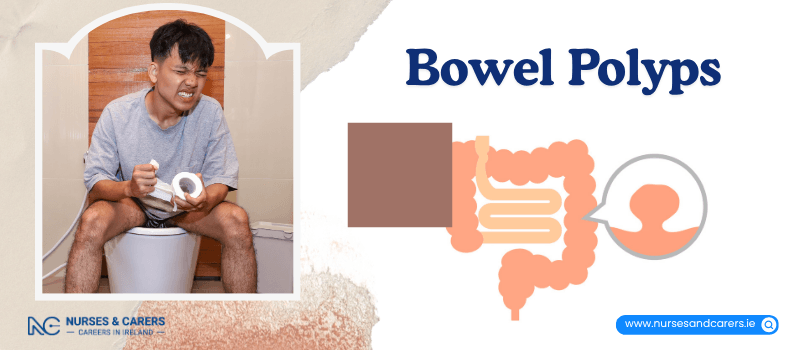
Bowel polyps are small, common growths on the inner lining of the large intestine (colon) or rectum that affect up to 4 in 10 adults, particularly men and individuals aged 50 and older. While mostly benign, certain polyps can gradually transition into bowel cancer over several years if left untreated.
Symptoms & Diagnosis
Silent Nature: Most polyps are small and cause no symptoms, meaning people are unaware they have them.
Potential Symptoms: Larger polyps can occasionally trigger noticeable health issues.
Detection: Doctors typically discover polyps incidentally during a bowel investigation for an unrelated issue, or during a follow-up colonoscopy triggered by a home bowel cancer screening kit.
Contact Your GP If You Experience: |
|---|
• Rectal bleeding or visible blood in your poo. |
• Unexplained, persistent diarrhoea or constipation. |
• Unexplained, ongoing tummy pain. |
Risk Factors & Cancer Risk
The Cause: Polyps develop due to an abnormal, rapid multiplication of cells in the gut lining.
Elevated Risks: Your risk increases if you smoke, carry extra weight, have inflammatory bowel conditions (like Crohn’s disease or colitis), or have a family history of polyps or bowel cancer.
Cancer Link: Most bowel cancers originate from a specific type of polyp called an adenoma. Safely removing these tissue growths eliminates the risk of them mutating into cancer.
Treatment & Removal
Polypectomy: The most common removal method. A specialist passes a flexible tube (colonoscope) through your bottom to locate and snip away the polyps. This procedure is entirely painless.
Surgery: If a polyp is exceptionally large or awkwardly positioned, surgical removal via a standard operation is required.
Laboratory Testing: All extracted polyps are sent to a lab to look for cancerous or precancerous cell changes. Your consultant will review these results to determine if you need additional cancer therapies.
Long-Term Monitoring
If you have polyps removed, you will enter a surveillance program to monitor your bowel for new growths. You will be scheduled for a follow-up screening colonoscopy 1, 3, or 5 years later, depending on the size, quantity, and specific laboratory type of the polyps removed.
Disclaimer
The information provided here is for educational and informational purposes only. It does not constitute medical advice, diagnosis, or treatment. Always consult a qualified healthcare professional or your GP for specific medical concerns, diagnoses, or health advice. Never disregard professional medical advice or delay seeking it because of information you have read here.