
Circumcision in Boys
7 Sept 2026 · 4 min read
On this page8 sections
Male circumcision is the surgical removal of the foreskin, the roll of skin covering the glans (end) of the penis. The procedure is performed for religious or cultural reasons—commonly within Jewish, Islamic, and specific African communities—or as a clinical treatment of last resort for specific medical conditions.
Natural Foreskin Development
In infants and young boys, it is biologically normal for the foreskin to be unretractable.
Separation timeline: Around age 3, the foreskin begins to naturally detach from the glans. Complete separation occurs in most boys by age 5, though it can take longer without indicating a medical issue.
Temporary ballooning: As separation occurs, the foreskin may expand or "balloon" during urination. This normal phase typically resolves on its own, though it can occasionally cause localized inflammation.
Crucial safety warning: Never force a child’s foreskin back. Forcible retraction causes severe pain, skin tearing, and permanent scarring.
Medical Indications for Circumcision
Clinical circumcision is rarely recommended for young boys because non-invasive, lower-risk treatments are usually successful. It is considered only when the following conditions fail to respond to other therapies:
Phimosis: The foreskin is too tight to be retracted over the glans, potentially causing pain during erections or, in rare instances, obstructing urine flow.
Recurrent Balanitis: Persistent, recurring inflammation and infection of the foreskin and the head of the penis.
Balanitis Xerotica Obliterans (BZO): A chronic condition causing a hardened, tight foreskin alongside scarring and inflammation of the glans.
Paraphimosis (Medical Emergency): A critical condition where a retracted foreskin becomes trapped behind the glans and cannot return to its natural position. This causes rapid swelling, intense pain, and restricted blood flow to the penis. Immediate emergency medical treatment is required.
The Surgical Procedure
Circumcision is typically performed as a day-case procedure, meaning the child is admitted and discharged on the same day.
Pre-operative protocols: The child must fast (no food or drink) for a specific timeframe before surgery. Parents will meet with the surgeon to sign a formal consent form and consult with the anaesthetist.
Anaesthesia: The operation is performed under a general anaesthetic, ensuring the child remains entirely asleep and pain-free throughout.
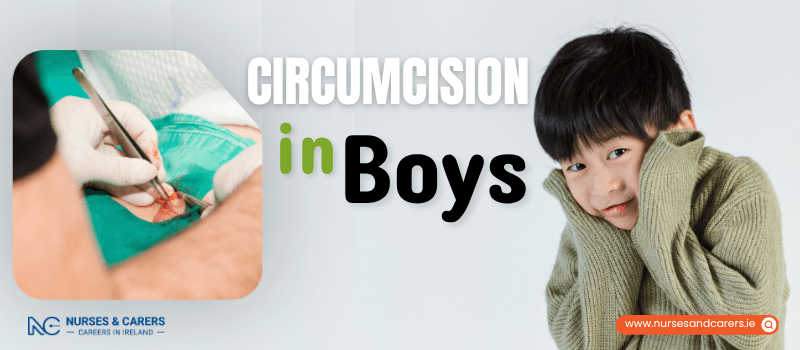
Surgical steps: The surgeon removes the foreskin just behind the glans using a scalpel or surgical scissors. Any bleeding is stopped using heat cauterization. The remaining skin edges are joined using dissolvable stitches. Complete structural healing takes up to 6 weeks.
Post-Operative Recovery and Care
A protective medical dressing is applied to the penis post-surgery. If it is left on at discharge, it is designed to fall off naturally within 24 hours. The child is permitted to return home once they have successfully urinated.
Immediate Home Care
Symptom management: The penis will appear swollen, red, and sore for several days. Administer prescribed healing ointments as directed.
Pain relief: Give regular paracetamol or ibuprofen for at least 3 days following packet dosage instructions. Urinating may cause a mild, temporary burning sensation; having the child pee while sitting in a lukewarm bath or shower can reduce discomfort.
Hygiene: The child can take a standard bath the day after surgery.
Clothing and activity: Dress the child in loose clothing, or allow them to remain bare on their bottom half for a few days. Strictly avoid bicycles, ride-on toys, or straddle activities until all localized swelling resolves.
School transition: Children can typically return to school or nursery one week after the procedure. Inform staff about the recent surgery. Routine clinical follow-up appointments are usually unnecessary.
When to Seek Medical Advice
Contact your GP or hospital care team if you notice any of the following non-urgent issues:
Active bleeding from the penis.
Localized swelling that persists 2 weeks after the operation.
Urination remains continuously painful several days post-surgery.
Surgical Risks
When executed by qualified pediatric surgeons, the physical risks of circumcision are exceptionally low.
Sensation changes: The primary long-term risk is a permanent alteration or reduction in the sensitivity of the glans. While this does not impact future sexual function or fulfillment, it is a key reason why the procedure is reserved primarily for clear medical necessities.
Bleeding: There is a minor risk of post-operative bleeding. Minor oozing is absorbed by the dressing, but persistent bleeding requires prompt medical evaluation.
Disclaimer
The information provided here is for educational and informational purposes only. It does not constitute medical advice, diagnosis, or treatment. Always consult a qualified healthcare professional or your GP for specific medical concerns, diagnoses, or health advice. Never disregard professional medical advice or delay seeking it because of information you have read here.