
Colposcopy
7 Sept 2026 · 16 min read
On this page41 sections
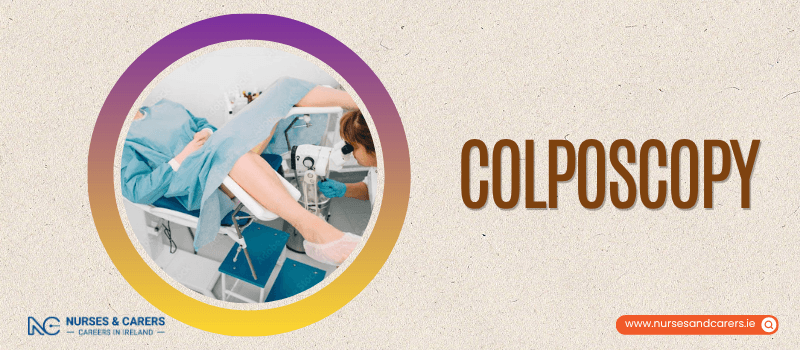
A colposcopy is a 15-to-20-minute outpatient procedure used to examine your cervix (the opening to the womb). A specialist doctor or nurse (colposcopist) uses this test to check for abnormal, pre-cancerous cells and determine if treatment is necessary.
Abnormal cells can sometimes revert to normal on their own. However, if left untreated, they carry a risk of developing into cervical cancer over 15 to 20 years. Removing these cells prevents cancer from developing.
Why You Might Need a Colposcopy
Your GP will refer you for a colposcopy if:
You receive two or more consecutive positive HPV tests.
A cervical smear test detects abnormal cells.
The screening clinician notes an unhealthy appearance of the cervix.
Multiple screening tests yield inconclusive or non-negative results.
You exhibit symptoms of cervical cancer.
Note: Needing a colposcopy is highly unlikely to mean you have cancer. It is vital to attend your appointment, even if you are pregnant [1].
Booking and Appointment Details
Referrals: Through the free CervicalCheck programme, your GP must submit a referral within 10 days of receiving your smear results. Private referrals are also an option but incur a fee, and CervicalCheck cannot access private results.
Locations: There are 15 CervicalCheck-approved colposcopy clinics located in hospital outpatient departments across Ireland.
Timeline: The average waiting time is 4 to 8 weeks, though urgent cases are seen within 2 weeks.
Logistics: The clinic will mail your appointment details. If you must reschedule, contact them directly. You can safely drive home after the procedure.
Special Considerations
Pregnancy
Colposcopies are entirely safe during pregnancy. However, if the specialist identifies a need for treatment, the procedure is typically delayed until a few months after childbirth.
Smoking
Smoking impairs your immune system's ability to clear Human Papillomavirus (HPV), the virus responsible for most cervical cancers. Non-smokers face a lower risk of cervical cancer. If you smoke, your clinic will offer resources and quit plans to help you stop and lower your risk.
Results and Treatment
Results
Immediate Feedback: Clinicians can often determine if abnormal cells are present during the exam based on visual inspection and prior smear results.
Biopsy: The specialist may remove a tiny tissue sample (biopsy) for lab analysis. These results take a few weeks to confirm if cells are pre-cancerous.
Treatment
Timing: If abnormal cells are clearly visible, treatment to remove them may occur during the initial examination.
Criteria: Treatment is standard if there is a moderate-to-high risk of the cells becoming cancerous.
Methods: Doctors use several simple, effective techniques to clear away the abnormal cells.
What Happens During a Colposcopy
A colposcopy is a routine, 15-to-20-minute outpatient procedure performed by a specialist doctor or nurse (colposcopist). It is similar to a cervical screening test, does not require an anaesthetic, and allows you to return to normal activities—including driving—immediately after.
Preparing for Your Appointment
Do:
Eat normally before your visit.
Bring a panty liner to manage post-procedure discharge or light bleeding.
Bring a support person if desired.
Consult your GP beforehand if you experience vaginal dryness. They can prescribe oestrogen creams to make the exam more comfortable.
Do Not (For at least 24 hours prior):
Have sexual intercourse.
Use tampons or menstrual cups.
Apply vaginal medications, lubricants, creams, or pessaries.
Douch (wash inside the vagina).
Contact the Clinic Ahead of Time If You:
Have your period (you may need to reschedule).
Are pregnant (the exam is safe, but treatment is typically delayed).
Prefer a female clinician for the procedure.
Have an IUD/coil (it is safe to attend, but the clinician will discuss a small risk of the strings being clipped).
Step-by-Step Procedure
Pre-exam Consultation: The clinician reviews your medical history, explains the procedure, discusses treatment risks, and secures your formal consent.
Preparation: You undress from the waist down and lie on an examination bed. A nurse remains present for support.
Insertion: The clinician gently inserts a speculum into the vagina to hold it open.
Examination: A lighted microscope (colposcope) stays outside the body to view the cervix clearly.
Dye Application: A special liquid dye is applied to highlight any abnormal cell areas.
Biopsy (If Needed): A tiny tissue sample may be pinched off for lab analysis. This may cause a brief stinging sensation.
Note: You retain total control and can ask to pause or stop the examination at any moment.
Post-Procedure Care
Activity: You can go home immediately and return to work or driving. If you receive same-day cell removal treatment, rest for the remainder of the day.
Discharge: Brownish discharge (from the dye) or light bleeding is normal for 3 to 5 days.
Restrictions: Avoid sex, tampons, menstrual cups, douching, and vaginal creams until all bleeding stops to prevent infection.
Risks and Side Effects
Colposcopies are highly safe, but you may experience:
Mild discomfort or cramping.
Light bleeding for 3 to 5 days.
Dark or brown vaginal discharge.
⚠️ When to Seek Urgent Medical Care
Contact your colposcopy clinic or GP immediately if you experience:
Heavy, continuous vaginal bleeding.
Foul-smelling vaginal discharge.
A fever.
Persistent, severe abdominal pain.
Cervical Treatments Following a Colposcopy
If your colposcopy reveals abnormal cervical cells, your clinician may recommend removing them to prevent cervical cancer. Typically, an area of tissue about the size of a fingertip is removed.
Treatment is highly effective; 90% of patients require only one procedure, while 10% may need further treatment. However, not all abnormal cells require immediate intervention. Since 50% of low-grade cell changes revert to normal on their own, your colposcopist may recommend monitoring the cells and returning in a few months instead.
When and Where Treatment Occurs
Same-Day Treatment: If the need for removal is clear, the clinician can perform the 5-to-10-minute procedure during your initial colposcopy appointment.
Delayed Treatment: If cell changes are unclear, a biopsy is performed first. Treatment will depend on those lab results.
Location: Most procedures take place directly inside the colposcopy clinic, though a hospital operating theatre is occasionally required.
Menstruation: If you expect your period on your treatment day, contact the clinic to reschedule.
Types of Treatment
Abnormal cells are removed using a few simple methods. The most common techniques include:
LLETZ (Large Loop Excision of the Transformation Zone): Removes the abnormal tissue using a thin, heated wire loop.
Cold Coagulation: Uses heat to destroy the abnormal cells without removing tissue.
Cone Biopsy: A minor surgical procedure used to remove a cone-shaped wedge of tissue from the cervix.
Recovery and Aftercare Guidelines
Most patients go home shortly after treatment and return to work the following day. It takes 4 to 6 weeks for your cervix to heal completely.
To Prevent Infection (Dos and Don'ts):
❌ Do not use tampons for 4 to 6 weeks. Use sanitary pads instead.
❌ Do not have sexual intercourse for 4 weeks.
❌ Do not swim or use hot tubs for 2 weeks.
❌ Do not take baths for 2 weeks; take showers instead.
❌ Do not exercise (including light walking, yoga, or jogging) for a few days, or while bleeding/discharge continues.
❌ Do not do physically tiring work or heavy housework (like vacuuming) for 3 to 4 days.
Post-Treatment Results and Follow-Up
Cold Coagulation: There are no biopsy lab results to review because tissue is destroyed rather than removed.
LLETZ: You will receive a results letter in about 4 weeks detailing the grade of abnormal cells found (e.g., CIN 1, CIN 2, CIN 3, or CGIN) and your next steps.
Follow-Up Screening: Most patients return to the colposcopy clinic (rather than their GP) in 6 to 9 months for a follow-up HPV and cervical screening test.
If Clear: Your next screening will be in 3 years to ensure close monitoring.
If HPV Positive (Normal Cells): You may require monitoring appointments every 6 months.
If HPV Positive (Abnormal Cells): You may need immediate further treatment.
Side Effects and Risks
Common Side Effects
Mild, period-like cramping for a few hours (manageable with paracetamol or ibuprofen).
Light bleeding or a brown, watery, mild-smelling discharge lasting 4 to 6 weeks.
A heavier-than-usual first menstrual period after the procedure.
Future Pregnancies
Treatment will not affect your ability to get pregnant. A single treatment carries a very low risk of complications. However, you may face a slightly higher risk of miscarriage or premature birth (before 37 weeks) if you require repeated treatments, a cone biopsy, or a large amount of tissue removal. Always inform your obstetrician or GP about your past cervical treatments.
Serious Complications
While rare, treatments carry a minor risk of infection or cervical stenosis (narrowing of the cervix). The benefit of cancer prevention far outweighs these risks.
⚠️ When to Seek Urgent Medical Care
Contact your colposcopy clinic, your GP, or an out-of-hours service immediately if you experience:
Heavy or persistent vaginal bleeding.
Foul-smelling, yellow, or green vaginal discharge.
Signs of a fever (feeling flushed, hot to the touch, or unusually tired).
Constant, severe abdominal pain.
Note: Go directly to a hospital emergency department if you experience heavy bleeding and cannot reach a GP.
Understanding Your Colposcopy Results
Your clinician can often provide immediate visual feedback right after your colposcopy examination. While a colposcopy is the tool used to diagnose cervical cancer, it is highly reassuring to note that most people referred after a routine smear test do not have cancer.
Normal Results
A normal result means the specialist found no abnormal cells on your cervix. No immediate treatment is needed. Depending on your specific case, you will be advised to:
Return for a follow-up colposcopy at a later date to monitor for any delayed cell changes.
Return to routine cervical screening, with your next smear test scheduled in 3 years (regardless of your standard age bracket).
Abnormal Results and Biopsies
Finding abnormal cells is common and does not mean you have cancer. However, these cells require management to prevent them from becoming cancerous in the future.
If abnormal cells are clearly visible, you may receive removal treatment on the same day. If the cell changes are unclear, or to confirm the exact nature of the cells, the clinician will perform a biopsy (taking a small tissue sample for lab analysis). Biopsy results typically take a few weeks and will confirm the precise diagnosis.
Types of Abnormal Biopsy Results
Lab results categorize cell changes into four distinct types:
CIN 1 (Low-grade changes): These cells are highly unlikely to become cancerous and often revert to normal on their own. Treatment is usually unnecessary. You will simply take a follow-up screening test in 12 months to ensure they have cleared.
CIN 2 (Moderate-grade changes): There is a moderate chance these cells could become cancerous. Removal treatment is typically recommended, though monitoring is sometimes an option.
CIN 3 (High-grade changes): There is a high probability these cells will progress to cancer if left untreated. Removal treatment is strongly recommended.
CGIN (Glandular cell changes): There is a high chance these specialized cells will become cancerous. Removal treatment is strongly recommended.
If Cervical Cancer is Diagnosed
In rare instances, a colposcopy and biopsy will detect cervical cancer. If cancer is found, you will be urgently referred to a dedicated multidisciplinary team of oncologists and specialists to discuss your diagnosis and plan your treatment.
If you would like, I can rewrite the final section, Contact a clinic, next. Please let me know if you need help finding contact details or understanding how to reach an Irish colposcopy center.
Irish Colposcopy Clinics: Contact Directory
If you need to check your appointment details, reschedule, or contact your specialist team, use the regional directory below. The 15 hospital-based clinics are grouped by county.
📍 Cork
Cork Colposcopy Service
Address: Saint Finbarr's Hospital, Douglas Road, Cork, T12 XH60
Phone: 021 492 3300
Email: cumh.colposcopy@hse.ie
Website: irelandsouthwid.cumh.hse.ie
📍 Donegal
Letterkenny Colposcopy Service
Address: Letterkenny University Hospital, Kilmacrennan Road, Letterkenny, Donegal, F92 AE81
Phone: 074 910 4497
Website: saolta.ie
📍 Dublin
Coombe Colposcopy Service
Address: The Coombe Hospital, Cork Street, Dublin 8, DO8 XW7X
Phone: 01 408 5768 | 01 408 5220
Email: colposcopy@coombe.ie
Website: coombe.ie
National Maternity Hospital (NMH) Colposcopy Service
Address: The National Maternity Hospital, Holles Street, Dublin 2, DO2 YH21
Phone: 01 637 3454 | 01 637 3112
Email: colposcopy@nmh.ie
Website: nmh.ie
Rotunda Colposcopy Service
Address: Hampson House, Earl Street North, Earl Place, Dublin 1, D01 T6W2
Phone: 01 817 6841 | 01 817 6874 | 01 817 6844 | 01 817 2518
Email: colposcopyadmin@rotunda.ie | colposcopynurse@rotunda.ie
Website: rotunda.ie
Tallaght University Hospital Colposcopy Service
Address: Tallaght University Hospital, Tallaght, Dublin 24, D24 NR0A
Phone: 01 414 4752 | 01 414 3351 | 01 414 3983 | 01 414 4712
Website: tuh.ie
📍 Galway
Galway Colposcopy Service
Address: University Hospital Galway, Newcastle Road, Galway, H91 YR71
Phone: 091 544 536
Email: colposcopy.uhg@hse.ie
Website: saolta.ie
📍 Kerry
Kerry Colposcopy Service
Address: University Hospital Kerry, Ratass, Tralee, Kerry, V92 NX94
Phone: 066 718 4189 | 066 718 4433
Email: uhk.colposcopy@hse.ie
Website: uhk.ie
📍 Limerick
Limerick Colposcopy Service
Address: University Maternity Hospital Limerick, Ennis Road, Limerick, V94 C566
Phone: 061 483 134
Email: colposcopylimerick@hse.ie
📍 Louth
North East Regional Colposcopy Unit
Address: Louth County Hospital Dundalk, Dublin Road, Dundalk, Louth, A91 X0DP
Phone: 042 936 4222
📍 Mayo
Mayo Colposcopy Service
Address: Mayo University Hospital, Westport Road, Knockaphunta, Castlebar, Mayo, F23 H529
Phone: 094 904 2631 | 094 902 1733
Email: muhambu.gynae@hse.ie
Website: saolta.ie
📍 Sligo
Sligo Colposcopy Service
Address: Sligo University Hospital, The Mall, Rathquarter, Sligo, F91 H684
Phone: 071 917 6818 | 071 917 6982 | 071 917 4708
Email: colposcopy.SUH@hse.ie
Website: saolta.ie
📍 Tipperary
South Tipperary Colposcopy Service
Address: Tipperary University Hospital, Western Road, Clonmel, Tipperary, E91 VY40
Phone: 052 617 7983 | 052 617 7135
Email: colptippuh@hse.ie
📍 Waterford
Waterford Colposcopy Service
Address: University Hospital Waterford, Dunmore Road, Waterford, X91 ER8E
Phone: 051 842 067 | 051 842 160 | 051 848 118 | 051 848 314
Email: wrh.colposcopy@hse.ie
📍 Wexford
Wexford Colposcopy Service
Address: Wexford General Hospital, Newtown Road, Carricklawn, Wexford, Y35 Y17D
Phone: 053 915 3024 | 053 915 3250
Email: colposcopy.wexford@hse.ie
Website: iehg.ie
Disclaimer
The information provided here is for educational and informational purposes only. It does not constitute medical advice, diagnosis, or treatment. Always consult a qualified healthcare professional or your GP for specific medical concerns, diagnoses, or health advice. Never disregard professional medical advice or delay seeking it because of information you have read here.