
Human Papillomavirus (HPV)
11 Sept 2026 · 3 min read
On this page5 sections
Human papillomavirus (HPV) refers to a diverse group of more than 100 common viruses. It is highly prevalent, with the majority of the population contracting the virus at some point in their lives, most frequently during their late teens and early twenties.
While the body's immune system typically clears the virus naturally within 1 to 2 years without causing any harm, specific persistent high-risk strains can trigger abnormal cell changes that progress into malignant cancers or cause genital warts.
1. Transmission and Viral Latency
HPV is not highly contagious through casual touch, but it spreads rapidly through intimate contact.
Mode of Spread: The virus is transmitted via direct skin-to-skin contact during sexual activity, including vaginal, anal, and oral sex. It can be passed on by an individual who is entirely asymptomatic. Statistical tracking indicates that transmission risks are higher for men who have sex with men (MSM).
Dormancy: HPV can remain completely dormant within the body's cells for years or even decades. It can reactivate over time, meaning visible symptoms or cell changes may surface long after the initial exposure.
Perinatal Transmission: In exceptionally rare instances, a pregnant individual can pass the virus to their infant during childbirth.
2. Clinical Symptoms
The vast majority of individuals with an active HPV infection exhibit zero physical symptoms and remain unaware of their status. When symptoms do manifest, they generally present in one of two ways:
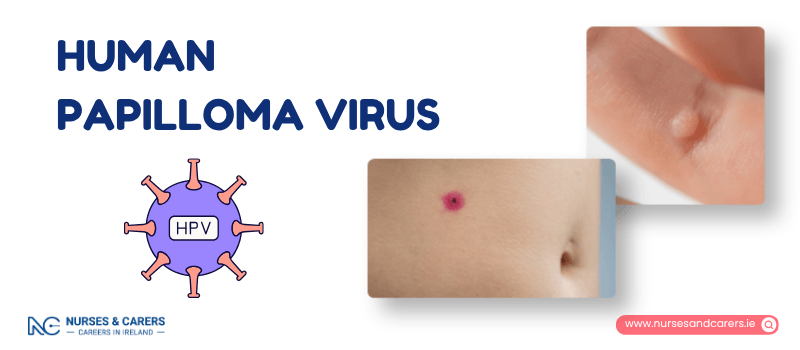
Genital Warts: Painless growths, bumps, or structural skin clusters that form around the vagina, penis, scrotum, or anus. These are caused by low-risk strains that do not progress to cancer.
Malignant Progrowth: High-risk strains cause no early outward symptoms. For example, early-stage cervical cancer rarely presents with obvious pain or visible changes, which underscores the necessity of diagnostic screening.
3. High-Risk Strains and Oncological Impact
Strains categorized as "high-risk HPV" are directly oncogenic, meaning they can alter cellular DNA and cause pre-cancerous mutations. In Ireland, HPV is responsible for approximately 400 cancer diagnoses every year, impacting both men and women.
High-risk HPV is a proven causative factor for multiple malignancies:
Cervical Cancer: 9 out of 10 cases are directly caused by an unmanaged HPV infection.
Other Anogenital Cancers: Vulval, vaginal, anal, and penile cancers.
Head and Neck Cancers: Mouth and throat (oropharynx) cancers.
4. Treatment and Prevention Strategies
There is no medical treatment or cure to eradicate an active HPV infection from the body. Clinical management focuses exclusively on treating the symptoms (such as removing warts) or surgically treating pre-cancerous lesions. Prevention relies on proactive health measures:
The HPV Vaccine: This is the most effective defense. The vaccine trains the immune system to block the specific strains responsible for most cancers and genital warts. It is routinely recommended for children aged 12 to 13 via the free School Vaccination Programme, and is highly advised for older high-risk demographics.
Barrier Methods: Using condoms consistently during sexual activity reduces the statistical probability of transmission. However, because HPV spreads via skin-to-skin contact, condoms do not provide absolute protection; the virus can still infect uncovered areas of the groin or perineum.
Cervical Screening (CervicalCheck): Offered free to women and individuals with a cervix aged 25 to 65. Modern screening checks directly for the presence of high-risk HPV DNA.
⚠️ Important: Because the vaccine does not protect against every single oncogenic strain of the virus, you must attend all scheduled cervical screening appointments even if you are fully vaccinated.
Note: There is currently no approved clinical HPV screening test available for individuals with a penis. For this demographic, receiving the HPV vaccine remains the primary method to mitigate the risk of genital warts and penile or throat cancers.
Disclaimer
The information provided here is for educational and informational purposes only. It does not constitute medical advice, diagnosis, or treatment. Always consult a qualified healthcare professional or your GP for specific medical concerns, diagnoses, or health advice. Never disregard professional medical advice or delay seeking it because of information you have read here.