
Dizziness
9 Sept 2026 · 2 min read
On this page8 sections
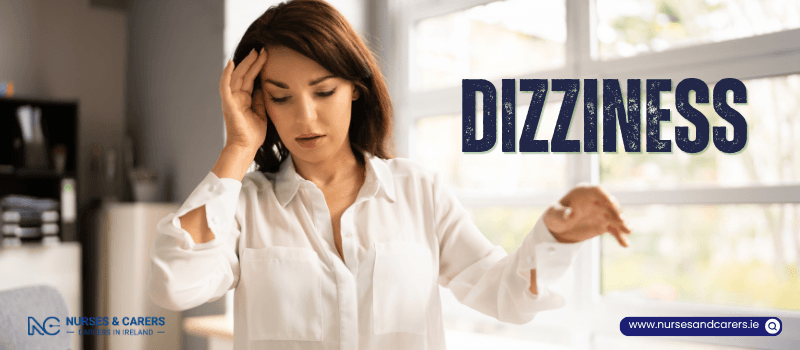
Dizziness is a common, usually non-serious symptom that describes several physical sensations:
Lightheadedness: Feeling faint, giddy, or disconnected.
Imbalance: Feeling unsteady or off-balance.
Vertigo: The false sensation that you or your surroundings are spinning.
Immediate Self-Care Dos and Don'ts
Dizziness usually resolves on its own. While experiencing it, use these safety guidelines to manage the episode:
Do
Lie down immediately: Stay down until the sensation passes, then rise very slowly.
Move deliberately: Change positions slowly and carefully.
Rest: Get plenty of physical rest.
Hydrate: Drink plenty of fluids, prioritizing water.
Eliminate triggers: Avoid caffeine, alcohol, cigarettes, and recreational drugs.
Don't
Do not bend down suddenly: Avoid rapid forward or downward head movements.
Do not rush up: Avoid standing up quickly from a sitting or lying position.
Do not lie completely flat: If experiencing vertigo (spinning), prop your head up slightly with pillows.
Do not take risks: Absolutely avoid driving, climbing ladders, or operating heavy machinery while dizzy.
When to Contact a GP (Non-Urgent Advice)
Consult your doctor if you are worried, or if dizziness is accompanied by any of the following:
It persists or repeatedly comes back.
New or worsening hearing loss.
Ringing, buzzing, or hissing sounds in your ears (tinnitus).
Double vision, blurred vision, or any changes in eyesight.
Numbness or weakness in your face, arms, or legs.
Other symptoms like fainting, headaches, nausea, or vomiting.
Common Underlying Causes
Dizziness is frequently a secondary symptom of an existing, treatable health issue.
Dizziness Occurring with Other Illnesses
Ear infections or migraines
Dehydration, overheating, or heat exhaustion
High stress, panic, or anxiety
Low blood sugar (hypoglycaemia), often linked to diabetes
Iron deficiency anaemia
Motion sickness
Symptom Clues for No Obvious Cause
Specific Symptom Blueprint | Potential Underlying Cause |
|---|---|
Happens only when sitting or standing up suddenly | Postural hypotension (a sudden drop in blood pressure) |
Off-balance + hearing loss + tinnitus | General inner-ear problems |
Off-balance + vertigo + nausea (often following a cold/flu) | Labyrinthitis (inner ear inflammation) |
Started shortly after beginning a new prescription | Side effect of the medication |
Combined with vision changes, numbness, or limb weakness | Reduced blood flow to the brain (e.g., atherosclerosis) |
Disclaimer
The information provided here is for educational and informational purposes only. It does not constitute medical advice, diagnosis, or treatment. Always consult a qualified healthcare professional or your GP for specific medical concerns, diagnoses, or health advice. Never disregard professional medical advice or delay seeking it because of information you have read here.