
Ear Infections
9 Sept 2026 · 6 min read
On this page18 sections
Causes, Symptoms, and Treatment
Ear infections are highly common medical conditions that frequently affect children but can also occur in adults. While they can cause noticeable discomfort, most ear infections resolve independently within three days without medical intervention.
Types of Ear Infections
Ear infections are primarily categorized based on the specific anatomical section of the ear affected:
Middle Ear Infection (Otitis Media): This infection targets the Eustachian tube, which connects the area behind the eardrum to the back of the nose. Usually triggered by respiratory viruses like colds or flu, it is significantly more prevalent in children.
Outer Ear Infection (Otitis Externa): This condition affects the ear canal, the passage running from the outside of the head to the eardrum. It occurs when the canal is irritated by moisture, eczema, earplugs, or fungal growth. It is most frequently diagnosed in adults aged 45 to 75.
Symptoms
Symptoms typically present rapidly. While older individuals can easily articulate their discomfort, signs manifest differently across age groups.
General Symptoms (Adults and Older Children)
Sharp or dull pain inside the ear
A body temperature of 38°C (100.4°F) or higher
Nausea and vomiting
Physical fatigue or lack of energy
Muted hearing or temporary hearing difficulties
Fluid or discharge draining from the ear
A sensation of pressure or fullness inside the ear canal
Itching, irritation, or scaly skin surrounding the ear
Symptoms in Toddlers and Infants
Frequent tugging, rubbing, or pulling at the affected ear
Failure to respond to certain sounds or voices
Increased irritability, restlessness, or crying
Refusal to eat or sudden loss of appetite
Unexplained loss of balance or clumsiness
Self-Care and Home Management
Most mild ear infections clear up within three days, though some symptoms can persist for up to a week. You can safely manage symptoms at home using these guidelines:
What to Do
Manage Pain: Use over-the-counter pain relievers like paracetamol or ibuprofen. (Note: Never administer aspirin to children under the age of 16).
Apply Compresses: Place a warm or cool cloth against the infected ear to soothe aches.
Clean Safely: Use a damp cotton wool ball to gently wipe away any fluid discharging from the outer ear.
What to Avoid
Do Not Insert Objects: Keep fingers, cotton swabs, and keys out of the ear. Attempting to dig out earwax pushes the blockage further inside and risks puncturing the eardrum.
Keep the Ear Dry: Prevent water, soap, or shampoo from entering the ear canal during baths or showers.
Professional Medical Support
How a Pharmacist Can Help
If you suspect a mild infection, consult your local pharmacist first. They can evaluate the issue and recommend specialized over-the-counter eardrops to stop bacterial or fungal spread. Note: Decongestants and antihistamines are ineffective against ear infections and should be avoided for this specific issue.
When to Contact a General Practitioner (GP)
Schedule a medical appointment if you or your child experience:
A high fever reaching 40°C (104°F) or severe chills
Earache symptoms that fail to improve after 3 days
Visible swelling around the outside of the ear
Persistent fluid or pus leaking from the ear
Noticeable hearing loss or sudden dizziness
A severe, accompanying sore throat
A history of frequent, recurring ear infections
Pre-existing health conditions, including diabetes or chronic heart, lung, kidney, or neurological diseases
A compromised or weakened immune system
What to Expect at the Clinic
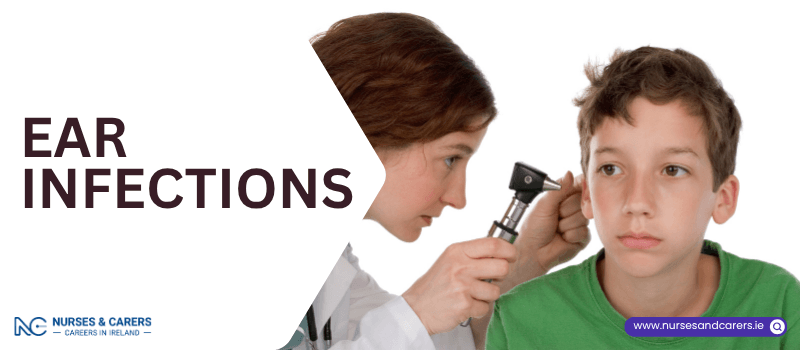
During an evaluation, a GP will examine the ear using an otoscope—a handheld device equipped with a light and magnifying lens. Some otoscopes blow a gentle puff of air into the ear canal. This helps the doctor observe eardrum mobility to check for fluid blockages or structural changes.
Medical Treatments by Infection Type
Middle Ear Treatment: Because these are typically viral, antibiotics are generally ineffective for routine cases. However, a doctor may prescribe antibiotics if symptoms last longer than three days, fluid is actively draining, or the patient has an underlying illness like cystic fibrosis. Antibiotics are also frequently prescribed if a child under two years old has an infection in both ears.
Outer Ear Treatment: Depending on the root cause, a doctor may prescribe specialized prescription drops:
Antibiotic drops for bacterial infections
Steroid drops to minimize painful swelling
Antifungal drops for fungal growth
Oral antibiotic tablets if a bacterial infection is severe or spreading
Minor Drainage: If a painful boil or pimple has formed inside the ear canal, the doctor may safely lance it with a sterile needle to drain the pus.
How to Correctly Administer Eardrops
Proper application ensures the medication reaches the source of the infection:
Clean the Area: Wipe away external earwax or discharge using clean cotton wool.
Warm the Bottle: Hold the eardrop bottle between your hands for a few minutes. Depositing cold fluid into the ear canal can trigger sudden, severe dizziness.
Position Yourself: Lie flat on your side with the infected ear facing upward.
Apply the Medication: Drop the prescribed number of drops into the canal.
Distribute the Fluid: Gently push and pull the outer cartilage of your ear to help the drops flow deep inside.
Stay Still: Remain lying down for a full 5 minutes to prevent the medication from leaking out prematurely.
Prevention Strategies
While not all ear infections are avoidable, you can significantly reduce risks by adopting these lifestyle habits:
Protecting Children
Ensure your child is fully up-to-date on all recommended childhood vaccinations.
Keep children away from secondhand cigarette smoke and smoky environments.
Begin weaning infants away from pacifiers/soothers after they reach 6 months of age.
Protecting Adults and Outer Ears
Avoid inserting fingers, keys, or cotton swabs into the ears.
Wear waterproof earplugs or a tight-fitting swimming cap when swimming.
Keep moisture and soap out of the ear canals during showers.
Manage underlying skin conditions, such as eczema, and address any allergic reactions caused by hearing aids or earplugs promptly.
Disclaimer
The information provided here is for educational and informational purposes only. It does not constitute medical advice, diagnosis, or treatment. Always consult a qualified healthcare professional or your GP for specific medical concerns, diagnoses, or health advice. Never disregard professional medical advice or delay seeking it because of information you have read here.