
Febrile Seizures
11 Sept 2026 · 4 min read
On this page14 sections
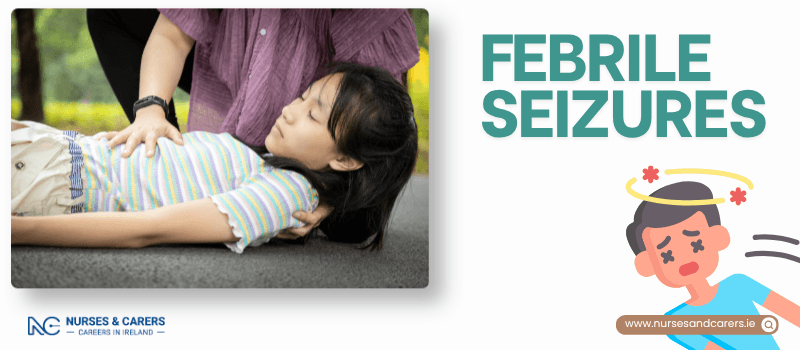
Febrile seizures (febrile convulsions) are fits caused by a fever, usually from an infection. They mostly affect children between 6 months and 3 years old. They are generally harmless. Most children make a complete recovery. They do not mean your child has epilepsy, but they do increase the risk of future seizures.
Signs of a Seizure
An episode usually lasts under 5 minutes. During a fit, a child may:
Become stiff.
Twitch or jerk arms and legs.
Lose consciousness.
Roll their eyes back.
Vomit, wet, or soil themselves.
Turn pale or blue in the skin and lips.
Become sleepy for up to 1 hour afterward.
Simple vs. Complex Seizures
Feature | Simple Febrile Seizure | Complex Febrile Seizure |
|---|---|---|
Body Scope | Affects the whole body | Affects just part of the body |
Duration | Lasts less than 15 minutes | Lasts longer than 15 minutes |
Frequency | Happens once in 24 hours | Happens again within 24 hours |
Recovery | Full and immediate recovery | Can cause temporary weakness afterward |
First Aid: What to Do
Do
Place them in a safe space.
Put them in the recovery position.
Loosen tight clothing around their neck.
Stay with them.
Time the seizure duration.
Don't
Do not restrain the child.
Do not put anything in their mouth.
When to Seek Medical Attention
Emergency Action
Call 999 or 112 immediately if:
This is your child's first seizure.
The seizure lasts longer than 5 minutes.
They have difficulty breathing.
They do not wake up afterward.
You suspect another illness like meningitis.
If driving to the hospital, ensure two adults are present—one to drive and one to care for the child.
Non-Urgent Medical Advice
Contact your GP if the child has a history of short seizures but currently shows signs of dehydration like headaches or fewer wet nappies.
Diagnosis and Tests
GPs usually diagnose febrile seizures from your description. Note the duration, physical symptoms, and recovery time. If the cause of the infection is unclear, the GP may order blood or urine tests. Hospital observation or further tests are required for complex seizures or infants under 12 months.
Advanced Tests
Electroencephalogram (EEG): Checks brain activity for epilepsy.
Lumbar Puncture: Checks spinal fluid for brain or nervous system infections.
Causes and Recurrence
Seizures are triggered by a temperature of 38°C or higher. Common causes include chickenpox, flu, and tonsillitis. Rare cases occur after vaccinations, which does not increase future risk.
Recurrence Risks
About 1 in 3 children will experience another seizure during a future fever, usually within 1 year. Risk factors include:
First seizure occurred under 18 months of age.
Fever lasted less than 1 hour before the fit.
The first episode was a complex seizure.
The child attends daycare or crèche.
A family history of seizures or epilepsy exists.
Daily preventative medications are not recommended due to side effects. Your GP may advise specific medication at the onset of a fever if your child is prone to prolonged fits.
Long-Term Outlook
Febrile seizures do not cause brain damage. The risk of developing epilepsy is small. Children with simple febrile seizures have a 1 in 50 chance of developing epilepsy. Children with complex febrile seizures have a 1 in 20 chance.
Disclaimer
The information provided here is for educational and informational purposes only. It does not constitute medical advice, diagnosis, or treatment. Always consult a qualified healthcare professional or your GP for specific medical concerns, diagnoses, or health advice. Never disregard professional medical advice or delay seeking it because of information you have read here.