
Female Sterilisation
11 Sept 2026 · 3 min read
On this page8 sections
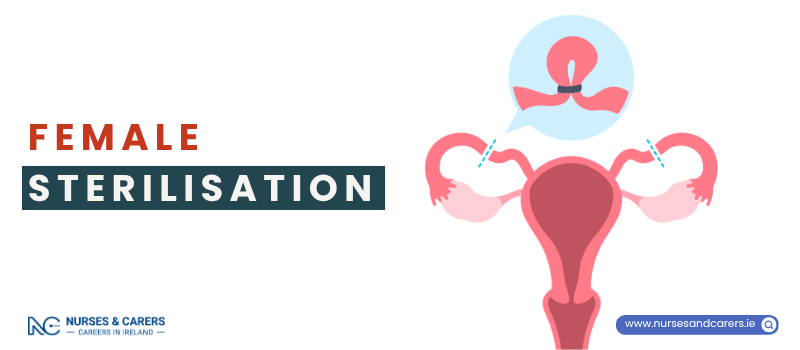
Female sterilisation is a permanent method of contraception that works by blocking, sealing, or removing the fallopian tubes. This prevents sperm from reaching and fertilising an egg.
It is over 99% effective at preventing pregnancy. Because the ovaries are left intact, the procedure does not alter hormone levels, affect sex drive, or stop ovulation and menstrual periods.
How the Procedure Works and Is Performed
During a normal menstrual cycle, an ovary releases an egg into the fallopian tubes. Sterilisation interrupts this pathway. The ovaries still release eggs, but the body harmlessly absorbs them.
Surgeons use a few primary techniques to alter the tubes:
Clips: Applying mechanical clips over the tubes to clamp them shut.
Silicone Rings: Pulling a small loop of the tube through a silicone ring to seal it.
Tubal Ligation: Tying, cutting, and removing a small section of the tube.
Salpingectomy: Fully removing the fallopian tubes (often done if blocking methods fail).
Surgical Methods
The procedure is usually performed as a day case, meaning you can return home the same day. The surgeon accesses the tubes via one of two methods:
Method | Approach | Why It Is Chosen |
|---|---|---|
Laparoscopy (Keyhole) | Small incision near the belly button using a tiny camera instrument. | Preferred method. It is faster, offers a quicker recovery, and is routinely done as a day procedure. |
Mini-Laparotomy | Small incision just above the pubic hairline. | Recommended for individuals with a history of pelvic surgery, pelvic inflammatory disease, or obesity. |
Risks and Considerations
Sterilisation must be viewed as irreversible. It should only be chosen if you are certain you do not want children in the future.
While complications are rare, risks include:
Internal bleeding or localized infection.
Surgical failure (e.g., clips slipping or tubes naturally rejoining).
An increased risk of an ectopic pregnancy (a pregnancy outside the womb) if the procedure fails.
Note: Failure rates are statistically higher in younger women.
Before and After the Operation
Pre-Operative Steps
Consultation: Your GP may recommend counseling to discuss options before referring you to a gynaecologist.
Timing: The operation can take place at any point in your menstrual cycle.
Pregnancy Prevention: You must use effective contraception up until the surgery date, and a pregnancy test will be administered right before the operation.
Post-Operative Recovery
Transportation: You cannot drive yourself home after receiving anaesthetic.
Driving Restriction: Do not drive for at least 48 hours following a general anaesthetic.
Rest and Work: It is normal to feel unwell for a few days. Most people return to work within 5 days, depending on their job type. Avoid heavy lifting for a week.
Pain and Bleeding: Expect mild vaginal bleeding and cramp-like pain. Use sanitary towels instead of tampons until the bleeding stops. Manage pain with standard painkillers.
Wound Care: Dressings can generally be removed the day after surgery, allowing you to shower or bathe. Stitches are either dissolvable or removed at a follow-up appointment.
Sex: You can resume sexual activity as soon as it feels comfortable. You must use alternative contraception until your first period after the operation to ensure you are fully protected.
Important: Sterilisation does not protect against Sexually Transmitted Infections (STIs). You must continue to use condoms for STI protection.
Where to Find More Information
For further guidance, consult your GP surgery, a local contraception clinic, a sexual health/GUM clinic, or dedicated youth health services.
Disclaimer
The information provided here is for educational and informational purposes only. It does not constitute medical advice, diagnosis, or treatment. Always consult a qualified healthcare professional or your GP for specific medical concerns, diagnoses, or health advice. Never disregard professional medical advice or delay seeking it because of information you have read here.