
Gestational Diabetes
11 Sept 2026 · 15 min read
On this page34 sections
Pathophysiology: Why Diabetes Develops in Pregnancy
Diabetes mellitus occurs when systemic blood glucose (sugar) concentrations remain abnormally high because the body cannot effectively transport glucose into cells to be used for metabolic energy. When this metabolic impairment develops for the first time during pregnancy, it is clinically classified as Gestational Diabetes Mellitus (GDM). It represents one of the most prevalent medical complications encountered in obstetrics.
The Role of the Placenta and Insulin Resistance
Normal Function: The pancreas produces a vital hormone called insulin. Insulin acts as a molecular key, regulating blood glucose levels and keeping them within a safe, narrow baseline range.
The Pregnancy Shift: During gestation, the placenta synthesizes high volumes of specific pregnancy hormones necessary to sustain the fetus.
Insulin Resistance: These placental hormones naturally interfere with maternal insulin, creating a physiological state of insulin resistance.
The Inability to Compensate: To maintain metabolic balance, a pregnant woman's body must significantly scale up its insulin production. If the pancreas cannot secrete enough additional insulin to overcome this hormonal resistance, glucose accumulates in the bloodstream, resulting in GDM.
Timing and Risk Factors
While GDM can develop at any stage of gestation, it manifests most frequently during the second half of pregnancy (late second trimester and third trimester) as placental hormone production peaks.
While any pregnant woman can develop GDM, you carry a significantly higher clinical risk if you meet any of the following criteria:
Maternal Characteristics and Medical History
Being 40 years of age or older.
Having a pre-pregnancy Body Mass Index (BMI) greater than 30 (indicating obesity).
A personal history of Polycystic Ovary Syndrome (PCOS).
Long-term therapeutic use of corticosteroid medications.
Having a first-degree biological relative (parent, sibling, or child) diagnosed with type 1 or type 2 diabetes.
Obstetric History and Current Pregnancy Indicators
Having given birth in a previous pregnancy to an infant weighing 4.5 kg (approx. 9.9 lbs) or more (macrosomia).
A history of an unexplained stillbirth.
Presenting with persistent, excessive glucose in your urine (glycosuria) during routine prenatal checks.
A current prenatal ultrasound showing that your baby is significantly larger than average for gestational age.
A diagnosis of polyhydramnios (an excessive volume of amniotic fluid surrounding the fetus).
Ethnic Background
Statistical data shows a higher genetic predisposition to GDM in individuals of South Asian, Chinese, Black African-Caribbean, or Middle Eastern descent.
Screening Protocol
Early identification of GDM is crucial to protect both maternal and fetal health.
Initial Booking Appointment: During your very first comprehensive antenatal appointment, your midwife or obstetrician will perform a detailed risk assessment. If you present with one or more of the established risk factors, early baseline screening will be scheduled.
Routine Screening Window: For all at-risk individuals, standard screening for gestational diabetes—typically utilizing an Oral Glucose Tolerance Test (OGTT)—is routinely performed between weeks 24 and 28 of pregnancy.
Prevention
While certain risk factors like genetics and age cannot be altered, you can significantly lower your risk of developing Gestational Diabetes Mellitus (GDM) by adopting key lifestyle habits. Focus on maintaining a stable metabolism, optimizing nutrition, and supporting a healthy rate of gestational weight gain.
1. Consistent Physical Activity
Engaging in regular physical activity helps your body use insulin more efficiently, which naturally stabilizes and balances blood glucose levels.
Target Intensity: Focus on moderate-intensity exercise. At this level, your heart rate increases and you breathe faster, but you can still comfortably maintain a conversation.
Recommended Activities: Brisk walking, prenatal swimming, modified pregnancy yoga, or low-impact dancing.
Clinical Caution: Always consult your General Practitioner (GP), obstetrician, or midwife before beginning a new exercise regimen, especially if you are managing existing injuries or chronic health conditions.
2. Nutritional Optimization
A common misconception is that pregnancy requires "eating for two." While your developing baby needs dense nourishment, your caloric requirements do not increase significantly until later in pregnancy. Restructuring your diet helps prevent sudden blood glucose spikes.
Healthier Choices to Emphasize:
Complex Carbohydrates: Replace refined white breads, white rices, and sugary cereals with nutrient-dense wholegrain options (such as oats, brown rice, and quinoa) to prevent rapid insulin spikes.
Fiber-Rich Foods: Increase your daily intake of fresh vegetables and legumes.
Foods to Strictly Limit or Avoid:
High-Sugar Items: Sugar-sweetened sodas, carbonated fizzy drinks, candy, commercial cakes, biscuits, and highly sweetened cereals.
High-Fat and Fried Foods: Potato chips, French fries, chocolate, and heavily fried or greasy foods.
3. Gestational Weight Management
Managing your weight during pregnancy is about supporting steady, healthy growth rather than restriction or weight loss.
Standard Weight Gain: For individuals starting pregnancy at a healthy baseline weight, a steady gain of approximately 0.5 kg (1 lb) per week is standard during the second and third trimesters.
Adjustments for Higher BMI: If you enter pregnancy with a higher body mass index (BMI) or live with obesity, it can be clinically safe to gain less than 0.5 kg per week.
Preventing Nutritional Deficiencies: To safely manage a slower rate of weight gain, you must eat regular, well-balanced meals (breakfast, lunch, and dinner). Skipping meals or severe calorie restriction is dangerous; it deprives you and your developing baby of essential vitamins, calcium, iron, protein, and energy. Focus on high nutritional quality rather than calorie restriction.
Clinical Care
If you are diagnosed with Gestational Diabetes Mellitus (GDM), the primary goal of your care plan is to maintain your blood glucose levels within a safe, targeted range. This requires a structured combination of daily self-monitoring, specialized dietary adjustments, regular physical activity, and, when necessary, pharmacological therapy
1. Blood Glucose Monitoring
You will be provided with a portable glucose meter to perform daily self-testing. This device evaluates your blood glucose levels using a small drop of blood obtained via a finger-prick test.
Tracking Protocol: You must maintain a precise, written or digital log of all your blood glucose readings.
Clinical Reviews: Always bring your tracking log and your glucose meter to every prenatal appointment with your midwife, General Practitioner (GP), or obstetrician to allow for timely adjustments to your treatment plan.
2. Dietary Management
Optimizing your food choices is vital to prevent blood glucose spikes. Eating at consistent intervals stabilizes your metabolism; a standard schedule typically includes 3 main meals and 2 to 3 small snacks per day.
Carbohydrate Awareness: Carbohydrates—found in bread, pasta, rice, fruit, yogurt, and sweet foods—break down directly into glucose. You will need to carefully manage your portion sizes and prioritize complex, high-fiber, wholegrain varieties over refined white options.
Fetal Nutrition: Ensure your diet includes a wide variety of whole foods to provide essential nutrients for fetal development, including protein, calcium, folic acid, iron, vitamin D, iodine, and omega-3 fatty acids.
Weight Regulation: Gaining weight too rapidly or exceeding recommended gestational weight guidelines makes blood glucose regulation significantly more difficult. Adhering to your tailored dietary plan supports a healthy growth rate.
3. Physical Activity Guidelines
Regular exercise assists your muscles in absorbing glucose from the bloodstream, naturally lowering your blood sugar levels.
Aerobic Target: Aim for 30 minutes of moderate-intensity aerobic exercise at least 5 days a week, totaling a minimum of 150 minutes per week. Brisk walking and swimming are excellent, safe choices.
Post-Meal Walking: Incorporating a short 10- to 15-minute walk immediately after each main meal is highly effective at minimizing postprandial (after-meal) blood sugar spikes.
4. Pharmacological Interventions
If lifestyle modifications, diet, and exercise are insufficient to keep your blood glucose within target ranges, your medical team will prescribe medication.
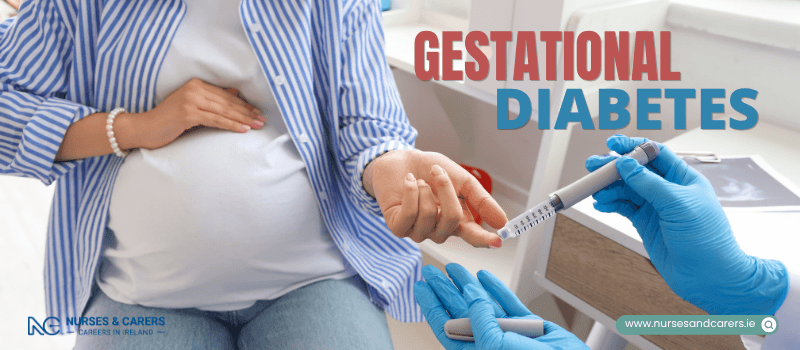
Insulin Therapy: Subcutaneous insulin injections are the gold standard pharmacological treatment during pregnancy. Because insulin molecules do not cross the placenta, this medication is completely safe for the fetus.
Oral Medications: In specific clinical scenarios, oral blood-glucose-lowering tablets, such as Metformin, may be prescribed to help manage GDM.
5. Fetal Surveillance and Diagnostic Scans
Regular clinical monitoring of the fetus is a foundational component of managing GDM. These tests allow your healthcare team to track growth, evaluate placental health, and intervene early if complications arise.
Surveillance methods include:
Growth Ultrasounds and Doppler Measurements: Periodic ultrasound scans measure fetal growth parameters, estimate fetal weight, and utilize Doppler technology to evaluate blood flow through the umbilical cord.
Cardiotocography (CTG): A non-invasive test that continuously records the fetal heart rate alongside maternal contractions to assess fetal well-being.
Monitoring Fetal Movement
Fetal movements are typically first felt between weeks 16 and 24 of pregnancy. A healthy fetus tends to maintain a consistent, recognizable pattern of activity each day.
Critical Safety Protocol: If you notice any reduction, increase, or sudden change in your baby's normal pattern of movement, do not wait until the next day. Contact your maternity hospital or go directly to the emergency department immediately.
Delivery Expectations
The vast majority of women who successfully maintain well-controlled blood glucose levels can achieve a full-term pregnancy and experience a standard delivery without complications. However, if clinical monitoring indicates risks to maternal health or fetal well-being, your obstetric team may recommend inducing labor or scheduling a delivery before your due date.
Mode of Delivery: Vaginal vs. Caesarean Birth
A large majority of women diagnosed with Gestational Diabetes Mellitus (GDM) can safely undergo a standard vaginal birth. However, statistically, women with GDM have a higher likelihood of requiring a Caesarean delivery compared to those without the condition.
Factors Influencing a Planned Caesarean Section
If fetal surveillance indicates that the baby is significantly larger than average for gestational age (fetal macrosomia), a planned Caesarean section may be recommended to ensure a safe delivery.
When evaluating the safest mode of delivery, your healthcare team will carefully weigh the following clinical factors:
Fetal Size and Well-Being: Recent ultrasound estimates of the baby's weight and overall health metrics.
Obstetric History: The details, outcomes, and delivery modes of any of your previous pregnancies.
Glycaemic Control: Your recent blood glucose tracking trends and the specific type of treatment required to manage your condition (e.g., lifestyle-controlled versus insulin-dependent).
Your obstetrician and regular midwife team will discuss the specific clinical benefits and potential risks of both induction and a Caesarean section, ensuring you can make an informed, collaborative decision for your birth plan.
Risk Management
A diagnosis of Gestational Diabetes Mellitus (GDM) classifies a pregnancy as high-risk. This classification does not guarantee complications, but it does mean you will require close observation, more frequent prenatal evaluations, and specialized fetal surveillance to mitigate and manage these risks effectively.
Potential Maternal Risks
Women who develop gestational diabetes face a higher statistical probability of experiencing the following clinical conditions:
Pre-eclampsia: A serious condition characterized by a sudden, severe elevation in blood pressure and signs of organ damage (typically the kidneys or liver). Pre-eclampsia places significant stress on the maternal cardiovascular system and often necessitates the medical induction of labor before full term.
Fetal Macrosomia (Large-for-Gestational-Age Infant): Elevated maternal blood sugar can cause the baby to grow excessively large, which significantly impacts delivery options and increases the likelihood of surgical intervention.
Polyhydramnios: An abnormally high volume of amniotic fluid surrounding the fetus, which can increase the risk of preterm labor or cord complications.
Recurrent Urinary Tract Infections (UTIs): Higher glucose concentrations in the urine create a breeding ground for bacteria, leading to more frequent infections that require prompt antibiotic treatment.
Potential Risks to the Newborn
Infants born to mothers with poorly managed or severe GDM are at a higher risk for specific neonatal complications. In some cases, these infants will require specialized monitoring or admission to a Neonatal Intensive Care Unit (NICU) immediately following delivery.
Key neonatal risks include:
Birth Trauma and Shoulder Dystocia: Large-for-gestational-age babies (macrosomia) face an increased risk of birth injuries during a vaginal delivery. The most significant risk is shoulder dystocia—a medical emergency where the baby's shoulder becomes trapped behind the mother's pelvic bone during birth, potentially causing nerve or bone injury.
Neonatal Hypoglycaemia (Low Blood Sugar): While in the womb, the fetus produces high levels of its own insulin to process the excess maternal glucose. After birth, when the maternal sugar supply is suddenly cut off, the infant's elevated insulin levels can cause their blood sugar to drop dangerously low, requiring immediate feeding or intravenous glucose.
Respiratory Distress Syndrome: High insulin levels in the fetus can delay the natural production of surfactant, a substance crucial for lung maturity, potentially leading to breathing difficulties at birth.
Neonatal Jaundice: An excess of bilirubin in the newborn's blood, causing a yellowing of the skin and eyes that may require phototherapy treatment.
Electrolyte Imbalances: A very rare risk of abnormally low calcium (hypocalcemia) or magnesium levels in the infant's bloodstream, which requires close monitoring.
Stillbirth: While the overall absolute risk remains low under modern medical care, women with GDM have a slightly higher baseline risk of stillbirth compared to pregnancies unaffected by diabetes. This risk highlights the critical importance of keeping blood sugar within the target range and attending all scheduled fetal growth scans.
Postnatal Follow-Up Care and Future Health Risks
In the vast majority of cases, Gestational Diabetes Mellitus (GDM) resolves spontaneously immediately after childbirth. However, a small percentage of women may have had undiagnosed pre-existing diabetes prior to conceiving. For these individuals, the condition will persist and require lifelong clinical management.
Long-Term Health Implications
Maternal Risk: Women who experience GDM face a 50% higher statistical risk of developing Type 2 diabetes later in life, frequently within 5 years of delivery.
Fetal Risk: Children born to mothers with a history of GDM carry an elevated risk of experiencing childhood obesity and developing diabetes as they age.
Essential Screening Protocols
To protect your health, you must schedule an Oral Glucose Tolerance Test (OGTT) between 6 and 12 weeks postpartum to ensure your blood sugar has normalized. Following this initial test, you must undergo annual blood glucose screenings with your General Practitioner (GP). Transitioning into a permanently healthy, active lifestyle with a balanced diet is the most effective way to prevent or delay the onset of Type 2 diabetes.
Clinical Note: Always ensure your public health nurse, GP, practice nurse, and any other healthcare providers are fully aware of your GDM history and any labor or post-delivery complications.
Breastfeeding Guidelines and Neonatal Care
A diagnosis of GDM should not discourage or prevent you from breastfeeding. If your blood glucose was well-controlled during pregnancy, your breast milk will have the exact same nutritional composition as that of a woman without diabetes.
Antenatal Colostrum Harvesting
Beginning around week 37 of gestation, you can safely express and freeze colostrum (your nutrient-rich early breast milk) under the guidance of your care team. If your newborn experiences neonatal hypoglycemia (low blood sugar) or encounters immediate breastfeeding difficulties after delivery, this stored colostrum can be administered as an invaluable supplement.
Immediate Postpartum Best Practices
Skin-to-Skin Contact: Unless your infant requires urgent specialized care in the Neonatal Intensive Care Unit (NICU), establish direct skin-to-skin contact with your baby immediately after birth.
Early Initiation: Initiate breastfeeding within the first hour of delivery while maintaining skin-to-skin contact. Colostrum is the ideal food to naturally stabilize and maintain your newborn's blood glucose at a safe clinical level.
Glucose Monitoring: In accordance with hospital safety policies, your midwife or nurse will periodically check your newborn's blood sugar levels via a minor heel-prick test.
Feeding Frequency: Breastfeed frequently—at least every 2 to 3 hours, amounting to 8 to 12 times within a 24-hour cycle. It typically takes 2 to 3 days for mature breast milk to "come in," during which time colostrum provides complete and vital nourishment.
For specialized hands-on support, utilize your hospital’s clinical midwife specialist in lactation, diabetes midwife specialist, parentcraft team, or your local public health nurse.
Planning Future Pregnancies
If you have experienced GDM once, you carry a very high risk of recurrence in subsequent pregnancies. When planning to conceive again, adhere to the following preconception protocol:
Annual Screenings: Ensure your annual diabetes screening is up to date before trying to conceive to confirm you have not developed Type 2 diabetes.
Folic Acid Supplementation: Begin taking a high-dose preventative folic acid supplement once daily at least 3 months prior to conception.
Immediate Notification: Consult your GP the moment you receive a positive pregnancy test and explicitly state your history of GDM. Early blood glucose monitoring and proactive care are vital to prevent the developmental risks that early-stage high blood sugar poses to an embryo.
Maternity Registration: Register with your local maternity unit or hospital and contact their specialized diabetes midwife team as early as possible.
Disclaimer
The information provided here is for educational and informational purposes only. It does not constitute medical advice, diagnosis, or treatment. Always consult a qualified healthcare professional or your GP for specific medical concerns, diagnoses, or health advice. Never disregard professional medical advice or delay seeking it because of information you have read here.