
Fetal Alcohol Spectrum Disorders (FASD)
11 Sept 2026 · 4 min read
On this page10 sections
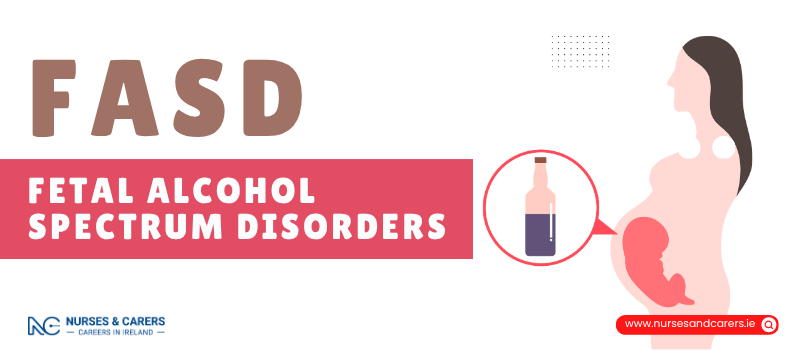
Fetal Alcohol Spectrum Disorders (FASD) refer to a group of permanent, long-term conditions caused by prenatal exposure to alcohol. When a pregnant individual drinks, alcohol passes directly through the placenta to the developing baby. Because the baby's organs and brain are still forming, alcohol disrupts their healthy development.
There is no safe time, no safe amount, and no safe type of alcohol (including beer and wine) to consume during pregnancy.
Signs and Symptoms of FASD
FASD symptoms range from mild to severe and vary widely between individuals. Some physical signs are visible at birth, while behavioral and learning challenges often emerge as the child grows.
Physical Symptoms
Low body weight and slow physical growth.
Unusually small head size (microcephaly).
Poor physical coordination.
Distinctive facial features, such as a smooth philtrum (the vertical ridge between the nose and upper lip).
Problems with vision or hearing.
Structural abnormalities in the joints, muscles, bones, and internal organs (like the heart and kidneys).
Infantile sleep and feeding disruptions.
Behavioral and Cognitive Issues
Hyperactivity and poor impulse control.
Short attention span and memory deficits.
Speech, language, and communication delays.
Impaired reasoning, problem-solving, and judgment skills.
Intellectual disabilities.
Long-Term Social Challenges
Without early intervention, adults with FASD may struggle with:
Managing personal finances and maintaining employment.
Social skills and understanding the consequences of their actions, potentially leading to legal issues.
Substance use disorders and addiction.
Securing and retaining stable housing.
Timing and Severity of Exposure
The timing of alcohol exposure influences how the disorder manifests:
First 3 Months: Primarily causes structural and physical birth defects.
Weeks 12 to 14 Onward: The fetus begins to swallow and excrete amniotic fluid. If alcohol is present, it accumulates in this fluid, exposing the baby for extended periods and significantly increasing FASD risks.
Throughout Pregnancy: Alcohol can damage brain development at any stage.
Note: Genetic factors dictate how quickly a person breaks down alcohol. A slower metabolism means the fetus is exposed to the harmful effects for a longer duration.
Classifications of FASD
FASD is an umbrella term encompassing several specific diagnoses based on clinical presentation:
Type of FASD | Key Clinical Features |
|---|---|
Fetal Alcohol Syndrome (FAS) | The most severe form, typically linked to heavy prenatal drinking. Features distinct facial changes, severe brain/spinal cord damage, organ defects, and significant learning difficulties. |
Partial FAS (pFAS) | Shows some, but not all, of the physical and structural signs of full FAS alongside neurological impacts. |
Alcohol-Related Neurodevelopmental Disorder (ARND) | Characterized by intellectual, behavioral, and central nervous system disabilities without the distinct physical facial features. |
Alcohol-Related Birth Defects (ARBD) | Focuses primarily on physical damage to organs, such as congenital heart, kidney, bone, or hearing issues. |
Neurobehavioral Disorder Associated with Prenatal Alcohol Exposure (ND-PAE) | Primarily impacts behavioral regulation, mental health, and social adaptation. |
FAS is not the most common form; for every 1 case of full FAS, there are approximately 10 cases of other types of FASD.
Prevention and Support
Complete Prevention
FASD is entirely preventable by avoiding alcohol during pregnancy. Because nearly 40% of pregnancies are unplanned, it is safest to stop drinking alcohol if you are actively trying to conceive or think you might be pregnant. If you discover you are pregnant, stopping alcohol use immediately gives the baby the best opportunity for healthy brain development.
Seeking Diagnostic Help
If you are concerned about your child's physical development, speech, or behavior, contact your GP or a Public Health Nurse. While the structural damage to the brain and body is irreversible, an early diagnosis allows families to access targeted local support services, educational accommodations, and specialized therapies that greatly improve long-term outcomes.
Carer support groups are also highly beneficial for sharing advice and connecting with families navigating similar challenges.
Disclaimer
The information provided here is for educational and informational purposes only. It does not constitute medical advice, diagnosis, or treatment. Always consult a qualified healthcare professional or your GP for specific medical concerns, diagnoses, or health advice. Never disregard professional medical advice or delay seeking it because of information you have read here.