
Gonorrhoea
11 Sept 2026 · 4 min read
On this page12 sections
Overview and Transmission Dynamics
Gonorrhoea is a fully curable bacterial sexually transmitted infection (STI) caused by the organism Neisseria gonorrhoeae. It is the second most prevalent bacterial STI in Ireland, occurring most frequently in individuals under the age of 25 and among gay, bisexual, and other men who have sex with men (gbMSM).
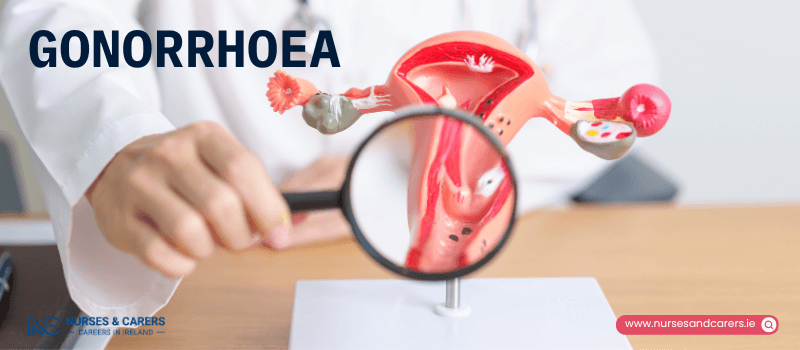
The bacteria primarily target mucous membranes and can infect the cervix, urethra, uterus, fallopian tubes, ovaries, testicles, rectum, pharynx (throat), and occasionally the conjunctiva (eyes).
How the Infection Spreads
The bacteria are transmitted through direct contact with infected bodily fluids.
Primary Modes: Condomless vaginal, anal, or oral sex; rimming (mouth-to-anus contact); and utilizing unwashed or shared sex toys.
Perinatal Transmission: The infection can also pass from an untreated mother to her infant during childbirth.
Environmental Safety: Neisseria gonorrhoeae cannot survive outside the human body. You cannot contract gonorrhoea from casual contact like hugging, or from shared items such as toilet seats, swimming pools, saunas, cutlery, or towels.
Clinical Symptoms
Asymptomatic presentation is exceptionally common, meaning many individuals spread the infection without knowing it. Statistically, approximately 10% of men and up to 70% of women display no visible symptoms.
When symptoms do manifest, they differ by anatomical site:
Symptoms in Men
A thick, unusual discharge or fluid exiting the tip of the penis.
Dysuria (a sharp, burning sensation when passing urine).
Acute pain, tenderness, or swelling in one or both testicles.
Symptoms in Women
Intermenstrual bleeding (bleeding between regular periods) or post-coital bleeding (bleeding after sexual intercourse).
A noticeable change in standard vaginal discharge.
Pain or burning during urination.
Dull, persistent pelvic or lower abdominal pain.
Rectal Symptoms (All Genders)
Anorectal infections can cause localized bowel symptoms, including persistent diarrhea, rectal pain, mucus-like discharge, tenesmus (a constant feeling of needing to pass stool), or bleeding from the back passage.
Diagnosis and Treatment Protocols
Diagnostic Testing
Testing is highly effective and tailored to your specific sexual history and symptoms:
Asymptomatic/Standard Screening: Diagnosed via a first-catch urine sample for men or a self-collected or clinician-guided vaginal swab for women.
Site-Specific Swabs: If you engage in receptive oral or anal sex, the clinician will take specific swabs from the throat or rectum to ensure an accurate diagnosis.
Clinical Treatment
Because it is a bacterial infection, gonorrhoea is treated with targeted antibiotics. The standard frontline treatment is a single antibiotic injection administered directly into the gluteal (buttock) muscle.
Immediate Empirical Treatment: If you display clear symptoms during an exam or if a known sexual partner has tested positive, your healthcare team may treat you immediately before your laboratory results return.
Test of Cure: Due to rising global rates of antibiotic resistance, you must return to the clinic two weeks after completing treatment for a repeat test. This ensures the bacterial infection has been completely eradicated.
Partner Management and Harm Reduction
To prevent immediate reinfection, you must strictly avoid all sexual contact (including oral sex, masturbation, and sex with a condom) until your treatment is fully complete and you are cleared by a clinician.
Partner Notification: Your current and recent sexual partners must be informed, evaluated, and treated, regardless of whether they have symptoms. Your clinic will support you with confidential partner notification options.
Prevention: Consistently and correctly utilizing external or internal condoms during every sexual encounter significantly reduces your risk of contracting or spreading gonorrhoea. If you enter a new relationship, both partners should complete a comprehensive STI screening before engaging in barrier-free sex.
Risks of Untreated Gonorrhoea
Ignoring or leaving a gonorrhoeal infection untreated can lead to severe, long-term health complications:
In Men: The bacteria can ascend from the urethra into the epididymis and testicles, causing an acutely painful condition known as epididymo-orchitis. In rare instances, this severe inflammation can permanently impair fertility.
In Women: The infection can ascend internally from the cervix into the uterus, fallopian tubes, and ovaries, causing Pelvic Inflammatory Disease (PID). PID leads to chronic pelvic pain and extensive tissue scarring. This scarring can permanently block the fallopian tubes, leading to infertility or a drastically increased risk of a life-threatening ectopic pregnancy (a pregnancy growing outside the womb).
Systemic Complications (All Genders): In rare scenarios, the bacteria can enter the bloodstream, causing a systemic infection (septicaemia) or migrating into the joints, leading to a severe condition known as septic arthritis.
Disclaimer
The information provided here is for educational and informational purposes only. It does not constitute medical advice, diagnosis, or treatment. Always consult a qualified healthcare professional or your GP for specific medical concerns, diagnoses, or health advice. Never disregard professional medical advice or delay seeking it because of information you have read here.