
Genital Warts
11 Sept 2026 · 5 min read
On this page10 sections
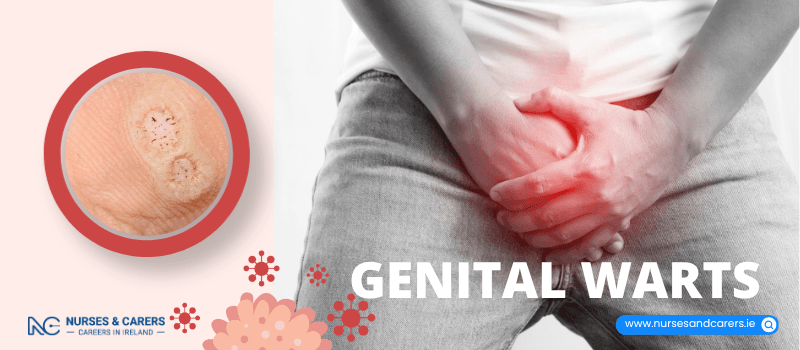
Genital Warts are a highly prevalent sexually transmitted infection (STI) caused by the Human Papillomavirus (HPV). The virus targets the epithelial cells of the skin and mucous membranes, spreading primarily through direct skin-to-skin contact during sexual activity.
There are over one hundred strains of HPV. The specific strains that trigger genital warts are considered "low-risk" because they are benign, meaning they are entirely non-cancerous and do not cause malignancies like cervical cancer.
Transmission Dynamics
The virus is highly contagious and spreads easily through intimate physical contact.
Modes of Transmission: Vaginal sex, anal sex, skin-to-skin genital contact, and sharing sex toys. While transmission via oral sex is biologically possible, it remains clinically rare.
Asymptomatic Spread: The virus can be transmitted even when no visible warts are present. Many individuals carry the virus asymptomatically, meaning they shed the virus and pass it to partners without ever realizing they are infected.
Incubation Period: If visible symptoms do develop, they may not manifest until many months or even over a year following the initial exposure.
Environmental Safety: You cannot contract genital warts from casual, non-sexual contact such as kissing, or by sharing household items like towels, cutlery, cups, or toilet seats.
Clinical Symptoms
You should seek an evaluation from a General Practitioner (GP) or a dedicated sexual health clinic if you notice any of the following changes:
One or more painless flesh-colored growths, bumps, or clusters around the vagina, penis, scrotum, groin, or anus.
Unexplained itching, irritation, or bleeding from the genital or anal regions.
A persistent change to your normal urinary stream (such as a split or sideways flow), which can occur if a wart develops inside the urethra.
Knowledge that a current or recent sexual partner has been diagnosed with genital warts, even if you do not currently display any physical symptoms.
Diagnostic Process
Diagnosing genital warts is a straightforward process. A doctor or nurse will conduct a thorough physical examination under a bright light to visually evaluate the characteristics of the growths.
Depending on the anatomical distribution of your symptoms, the clinician may need to gently examine internal structures, including the inside of the vagina, the anus, or the opening of the urethra. Because HPV can remain dormant in the skin for long periods, it is clinically impossible to determine exactly when you contracted the virus or which specific partner passed it to you.
Treatment Methodologies
There is no permanent medical cure for the underlying HPV virus; it can reside in the skin cells indefinitely. Consequently, medical treatments focus purely on removing the visible physical warts. While some outbreaks eventually clear up spontaneously without intervention, the process can take many months, and most patients choose active treatment.
All treatments must be evaluated and prescribed by a medical professional. The chosen method depends entirely on the size, texture, and anatomical location of the warts:
Topical Medications: Prescribed creams or liquid solutions that you apply directly to the affected skin at home over several weeks.
Cryotherapy: A clinician applies liquid nitrogen to freeze the warts. This outpatient procedure is typically performed once a week for up to four consecutive weeks.
Surgical Interventions: For stubborn, extensive, or large clusters, a physician may recommend excision (cutting them away), electrosurgery (burning them off), or laser therapy.
Note: It can take several weeks or months of consistent therapy for treatments to fully clear the lesions, and recurrence is common because the virus remains in the surrounding skin tissue.
Patient Guidelines (Dos and Don'ts)
Do:
Inform your healthcare provider immediately if you are pregnant or planning to conceive, as certain chemical treatments are unsafe for developing fetuses.
Ask your clinician if your prescribed topical cream will degrade the integrity of barrier contraceptives, such as external condoms, diaphragms, or caps.
Seek resources to quit smoking, as clinical studies show that smoking cessation significantly boosts the immune system's ability to clear warts and makes treatments more effective.
Don't:
Do not use over-the-counter wart treatments purchased from a standard pharmacy aisle. These products are formulated strictly for common warts on the hands or feet and will cause severe chemical burns and scarring on delicate genital tissue.
Do not use heavily perfumed soaps, body washes, or bubble baths during treatment, as these products will severely irritate the healing skin.
Do not engage in unprotected vaginal, anal, or oral sex while active warts are present or during your treatment cycle. If you choose to have sex, a condom must be used consistently, though it only protects the skin it fully covers.
Prevention and the HPV Vaccine
The most effective way to prevent the transmission of the virus is by consistently using barrier methods like condoms during every sexual encounter and ensuring you are vaccinated.
The HPV vaccine is routinely offered to adolescents globally and during their first year of secondary school in Ireland. This highly effective vaccine provides robust, long-term protection against the specific low-risk HPV strains that cause genital warts, as well as the high-risk oncogenic strains responsible for cervical, anal, and throat cancers.
Gestational Health and Pregnancy
If you are pregnant or suspect you have genital warts, you must notify your midwife or obstetrician. The fluctuating hormone levels and natural immune changes that occur during pregnancy can cause existing warts to multiply, grow rapidly, or reappear after years of latency.
Safety: Warts can be treated safely during pregnancy, but your care team will carefully select therapies that do not pose a risk to the fetus. If warts become exceptionally large and threaten to obstruct the birth canal, they may be surgically removed prior to delivery.
Childbirth: The vast majority of pregnant women with genital warts can safely undergo a standard vaginal delivery. While it is rare, the virus can occasionally be passed to the infant during birth, potentially causing a rare respiratory condition called recurrent respiratory papillomatosis (warts in the baby's throat) or infant genital warts. A Caesarean section is generally reserved only for specific obstetrical complications or severe structural blockage of the birth canal.
Disclaimer
The information provided here is for educational and informational purposes only. It does not constitute medical advice, diagnosis, or treatment. Always consult a qualified healthcare professional or your GP for specific medical concerns, diagnoses, or health advice. Never disregard professional medical advice or delay seeking it because of information you have read here.