
Gum Disease
11 Sept 2026 · 15 min read
On this page37 sections
Gum disease is a highly prevalent condition characterized by inflammation, soreness, or infection of the oral tissues supporting the teeth. It affects a significant portion of adults in Ireland, with most individuals experiencing it at least once. It is far less common in children.
The progression of gum disease occurs in two distinct clinical stages:
1. Gingivitis
This is the early stage of gum disease. It is primarily identified by gums that bleed during brushing or flossing, along with persistent halitosis (bad breath). If caught early, gingivitis is completely reversible.
2. Periodontitis
If gingivitis is left untreated, it can advance to periodontitis. This chronic inflammatory condition attacks the deeper soft tissues and structures that support the teeth and hold them securely in place.
As periodontitis damages the underlying jawbone, the gums begin to detach from the teeth, opening small pockets where bacteria thrive. Without intervention, teeth lose their structural support, become loose, and may eventually fall out.
Causes of Gum Disease
The primary cause of gum disease is the accumulation of dental plaque on the surfaces of the teeth. Plaque is a sticky, biofilm layer composed primarily of bacteria.
The Mechanism: While some oral bacteria are harmless, others produce toxins that irritate the delicate gingival tissues.
The Progression: If plaque is not consistently removed through daily mechanical cleaning, it accumulates along and beneath the gumline. This triggers an immune response, resulting in tissue redness, swelling, soreness, and bleeding.
Diagnosis and Professional Evaluation
A professional evaluation is necessary to halt the progression of the disease. Schedule an appointment with your dentist if your gums are painful, swollen, or bleed during your daily cleaning routine.
During an evaluation, your dentist will perform a comprehensive oral examination to assess tissue attachment and inflammation. They may also take dental X-rays to evaluate the structural integrity of your teeth and monitor for any underlying jawbone loss.
Prevention and Treatment Pathways
Mild gum disease can typically be resolved by improving your daily oral hygiene routine. Advanced cases require professional mechanical and surgical interventions.
1. At-Home Oral Hygiene
Brush your teeth thoroughly at least twice a day using an appropriate technique.
Clean between your teeth daily using dental floss or interdental brushes.
Maintain a balanced diet and avoid lifestyle habits, like smoking, that compromise gum health.
2. Professional Dental Care
Debridement: Your dentist or dental hygienist will physically clean your teeth to remove plaque and scale away hardened deposits known as tartar or calculus, which cannot be removed by brushing alone.
Education: The dental team will demonstrate optimal brushing and flossing techniques to help you prevent plaque buildup in the future.
Specialist Intervention: If you are diagnosed with severe, deep-seated periodontitis, you may be referred to a specialist gum surgeon known as a periodontist. Advanced treatment may involve deep root planing or periodontal surgery to repair damaged tissues and bones.
3. Routine Dental Check-ups
Regular visits allow your dentist to detect and treat oral health issues before they escalate.
Low-Risk Individuals: If you have excellent oral health and no history of gum disease, a routine check-up every 1 to 2 years is often sufficient.
High-Risk Individuals: If you have previously managed gum disease or possess systemic risk factors (such as diabetes), you will require more frequent dental cleanings and evaluations. Your dentist will outline a tailored tracking schedule for you.
Potential Complications of Untreated Disease
Neglecting chronic gum inflammation allows the disease to transition into irreversible periodontitis, leading to several severe oral complications:
Gum Abscesses: Painful, localized collections of pus triggered by bacterial infections within the periodontal pockets.
Gingival Recession: The progressive pulling away or shrinking of the gums, exposing the sensitive roots of the teeth.
Tooth Mobility: Teeth becoming loose due to the loss of surrounding bone support.
Edentulism: The partial or complete loss of teeth as the supporting bone structures break down completely.
Healthy Gums vs. Gum Disease
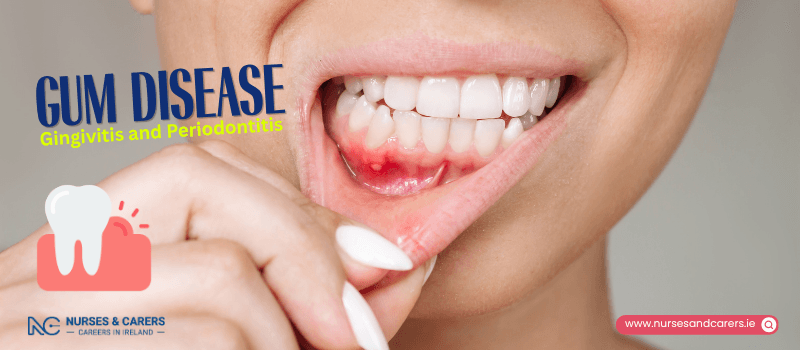
Healthy gingival tissue should be uniformly pink, firm to the touch, and hold your teeth securely in place. Healthy gums do not bleed during normal contact, brushing, or flossing. Because gum disease is frequently painless in its early stages, you may be entirely unaware that you have it. This highlights the critical importance of attending regular dental check-ups.
The clinical symptoms of gum disease vary depending on the severity and progression of the condition:
Early-Stage Symptoms (Gingivitis)
Gingivitis represents the initial, reversible stage of gum disease. It is primarily characterized by localized surface inflammation, with symptoms including:
Discoloration: Gums that appear visibly red or dusky rather than a healthy light pink.
Inflammation: Swollen, puffy, or tender gum margins.
Bleeding: Gums that bleed easily when you brush your teeth, floss, or eat firm foods.
Clinical Note: Gingivitis is highly manageable and typically resolves completely with improved daily brushing and flossing techniques.
Advanced-Stage Symptoms (Periodontitis)
If gingivitis is left untreated, the inflammation extends deeper, destroying the underlying tissues and jawbone that anchor your teeth. This chronic stage is known as periodontitis.
Symptoms of periodontitis include:
Halitosis: Persistent, severe bad breath that does not improve after brushing.
Dysgeusia: A constant, unpleasant or foul taste in the mouth.
Gingival Recession: Gums that visibly pull away from the teeth, making the teeth appear longer.
Tooth Mobility: Loose or shifting teeth that can make chewing food painful or difficult.
Periodontal Abscesses: Painful, localized collections of pus that form deep beneath the gums or around the roots of the teeth.
Acute Symptoms: Necrotising Periodontal Disease (NPD)
In rare instances, a severe and aggressive form of gum disease known as Necrotising Periodontal Disease (NPD)—historically referred to as Acute Necrotising Ulcerative Gingivitis (ANUG)—can develop suddenly. NPD causes rapid tissue destruction and requires immediate emergency dental intervention.
Symptoms of NPD are acute and typically include:
Spontaneous, severe bleeding accompanied by intense gum pain.
Painful, punched-out ulcers developing on the gums between the teeth.
A pronounced, distinct metallic taste in the mouth.
Hypersalivation (an excessive buildup of saliva).
Systemic symptoms, such as a high fever or feeling generally unwell.
Severe discomfort that causes difficulty when speaking or swallowing.
When to Seek Professional Care
You should schedule an appointment with your dentist promptly if you notice bleeding, swelling, persistent bad breath, or any other signs of gum discomfort. Early diagnosis allows for conservative treatments that can prevent permanent bone and tooth loss.
The Primary Cause: Biofilm and Plaque Accumulation
While several factors influence periodontal health, the primary cause of gum disease is poor oral hygiene. Failing to brush and floss your teeth properly and regularly allows a sticky, bacterial biofilm known as dental plaque to accumulate along the gumline.
How Plaque Causes Damage:
Bacterial Matrix: The human mouth naturally contains millions of bacteria. When these bacteria mix with proteins and glycoproteins in your saliva, they form plaque, which continuously adheres to the surfaces of your teeth.
Acid Production and Decay: When you consume sugary or starchy foods, the bacteria within the plaque metabolize these carbohydrates, producing harmful acids. Over time, this acid demineralizes the tooth enamel, leading to tooth decay (cavities).
Gingival Inflammation: Different strains of bacteria within the plaque release toxins that directly irritate the delicate gum tissue. This triggers an immune response, causing the gums to become red, inflamed, swollen, and prone to bleeding.
The Progression to Tartar (Calculus)
Plaque is soft and easily removed with a toothbrush and dental floss. However, if plaque is left on the teeth for more than 24 to 48 hours, it absorbs minerals from your saliva and calcifies into a hard crust called tartar or calculus.
Tartar binds tightly to the tooth enamel and cannot be removed by manual brushing or flossing.
It creates a rough surface that allows even more plaque to attach, accelerating gum irritation. Tartar can only be safely scraped away using specialized instruments by a dentist or dental hygienist.
Key Risk Factors
In addition to inadequate oral hygiene, several demographic, medical, and lifestyle factors can significantly increase your susceptibility to gum disease:
1. Lifestyle Factors
Smoking and Vaping: Tobacco use and vaping severely restrict blood flow to the gums, impairing the tissue's ability to fight infection and heal. Smokers are significantly more likely to develop advanced periodontitis and experience treatment failure.
Chronic Stress: Prolonged emotional or physical stress impairs the immune system, making it more difficult for your body to fight off the bacterial infections that cause gum disease.
Malnutrition: A diet lacking essential vitamins and minerals (particularly Vitamin C) weakens the body's connective tissues and lowers its natural defenses against oral bacteria.
2. Systemic Health and Biological Factors
Age: The prevalence and severity of gum disease steadily escalate with age, as tissue resilience naturally decreases and plaque accumulation can compound over decades.
Diabetes: Living with poorly controlled diabetes compromises blood vessels and elevates glucose levels in saliva, which feeds oral bacteria. This significantly increases the risk of developing severe, fast-progressing periodontitis.
Hormonal Fluctuations (Pregnancy): Pronounced hormonal changes during pregnancy can alter the blood supply to the oral tissues, making the gums hyper-sensitive to even microscopic amounts of plaque. This temporary condition is often referred to as pregnancy gingivitis.
Immunocompromised States: A weakened immune system—whether due to viral conditions like HIV or medical treatments like chemotherapy—leaves the oral cavity highly vulnerable to aggressive bacterial infections.
3. Medication Side Effects (Xerostomia)
Saliva plays a vital role in protecting your mouth by continuously washing away food debris and neutralizing bacterial acids. Taking medications that cause xerostomia (dry mouth) deprives the oral cavity of this natural cleansing mechanism, leading to rapid plaque buildup. Common medications that induce dry mouth include:
Antidepressants
Antihistamines
Certain blood pressure medications
Home-Based Oral Hygiene Protocols
The primary foundation for treating and reversing early gum disease (gingivitis) is a meticulous daily oral hygiene routine.
1. Mechanical Cleaning
Brushing Technique: Brush your teeth thoroughly twice a day—including right before bed—for a minimum of 2 minutes per session. Both manual and electric toothbrushes are clinically effective if used correctly.
Fluoride Toothpaste: Always use a toothpaste containing fluoride, a natural mineral that strengthens enamel and protects against tooth decay.
Interdental Cleaning: Floss daily before brushing your teeth. If standard dental floss is difficult to maneuver, utilize interdental brushes to effectively clean the gaps between your teeth.
Smoking Cessation: Tobacco use is a major risk factor for advanced periodontal disease and oral cancer. Quitting smoking drastically improves your body's ability to heal infected gum tissue.
2. Antiseptic Mouthwashes
Over-the-counter mouthwashes containing chlorhexidine or hexetidine can aid in controlling plaque buildup. However, mouthwashes cannot physically remove plaque; they must only be used as a supplement to mechanical brushing and flossing.
Chlorhexidine Guidelines: Prolonged use of chlorhexidine mouthwash can cause temporary brown staining on your teeth. Certain toothpaste ingredients can also deactivate chlorhexidine. To prevent this, wait at least 30 minutes after brushing before rinsing. Do not use chlorhexidine mouthwash for more than 4 consecutive weeks.
Professional Dental Treatments
If plaque has hardened into tartar (calculus), home brushing will not remove it. Professional clinical intervention is required to halt tissue destruction.
1. Scale and Polish
This is a standard professional cleaning performed by a dentist or dental hygienist. The clinician manually or ultrasonically scrapes away all accumulated plaque and tartar from the tooth surfaces, followed by polishing to remove external stains. Severe buildup may require multiple sessions.
Irish Healthcare Note: Check with your dental surgery to see if you qualify for a free or subsidized annual scale and polish under your PRSI (Treatment Benefit Scheme) or Medical Card entitlements.
2. Root Planing (Debridement)
For advanced gum disease (periodontitis), a deep clean known as root planing is required. This procedure clears bacteria, plaque, and tartar from deep beneath the gumline along the roots of the teeth.
Comfort: A local anesthetic is typically administered to completely numb the area before the procedure begins.
Post-Op Expectations: It is normal to experience mild pain, tooth sensitivity, and gum discomfort for up to 48 hours following root planing.
3. Advanced and Surgical Interventions
If periodontitis is severe, structural modifications may be necessary to save your teeth:
Periodontal Surgery: Surgical contouring to alter the shape of the gums, reducing the deep pockets where bacteria hide.
Tooth Extraction: Removal of teeth that have lost all structural bone support and cannot be saved.
Adjunctive Antibiotics: Your dentist may prescribe a short course of targeted antibiotics to treat underlying tissue infections during your surgical or deep cleaning cycles.
Acute Management: Necrotising Periodontal Disease (NPD)
Necrotising Periodontal Disease (NPD) is an acute, painful, and destructive bacterial infection of the gums that requires immediate dental treatment. If you are waiting for a dental appointment, your General Practitioner (GP) can provide temporary relief. Once the acute pain and infection are controlled, patients must undergo professional scaling or root planing.
The immediate medical management of NPD involves:
1. Targeted Antibiotics
A 3-day course of oral antibiotics is standard to stop tissue necrosis:
Amoxicillin: A penicillin-based antibiotic. Note: Do not take amoxicillin if you have a known penicillin allergy.
Metronidazole: An effective alternative for oral infections.
Critical Safety Warning: Do not consume alcohol while taking metronidazole, and wait at least 48 hours after your final dose before drinking. Metronidazole causes a severe reaction when mixed with alcohol, resulting in violent vomiting, rapid heart rate, and intense sickness. Common side effects for both antibiotics include nausea, vomiting, and diarrhea.
2. Analgesics (Pain Relief)
Over-the-counter paracetamol or ibuprofen are highly recommended to manage acute oral pain. Always read the packaging leaflet carefully and avoid these medications if you have pre-existing medical contraindications (such as stomach ulcers or kidney issues).
3. Prescribed Rinses
Clinicians often prescribe specialized mouthwashes containing hydrogen peroxide or high-strength chlorhexidine to chemically debride the painful ulcers. Always review the product label, as certain concentrated formulations must be diluted with water before use.
The Progression from Gingivitis to Periodontitis
Gingivitis is fully reversible, but leaving bacterial plaque and hardened tartar (calculus) on your teeth causes the infection to spread deeper. This neglect allows the condition to progress into periodontitis, a destructive chronic inflammatory disease that targets the tissues anchoring your teeth.
Unmanaged periodontitis leads to severe, long-term oral health complications:
Recurrent Periodontal Abscesses: Painful, localized collections of pus that form deep within the gum tissue and continually return if the underlying infection is not cleared.
Periodontal Ligament Destruction: Damage to the specialized connective tissue fibers that anchor the tooth root securely into the bony socket.
Alveolar Bone Loss: Progressive degradation and permanent loss of the jawbone tissue that contains the tooth sockets.
Gingival Recession: The gums gradually shrink and pull away from the tooth crowns, exposing the highly sensitive root surfaces.
Tooth Mobility and Loss: As bone and ligament support erode, teeth become increasingly loose, unstable, and will eventually fall out or require surgical extraction.
Complications of Necrotising Periodontal Disease (NPD)
Necrotising Periodontal Disease (NPD)—previously known as Acute Necrotising Ulcerative Gingivitis (ANUG)—is an aggressive, fast-moving infection. Failing to treat an acute episode of NPD allows the bacterial necrosis (tissue death) to rapidly destroy the gums and the surrounding alveolar bone.
Severe complications of untreated or poorly managed NPD include:
Destruction of Interdental Papillae: The triangular gum tissue located between your teeth is permanently destroyed, leaving unsightly gaps.
Gingival Crater Formation: Large, painful open ulcers heal abnormally, leaving permanent craters and holes in the gumline.
Chronic Recurrence: Inadequately treating your first episode of NPD drastically increases the likelihood of chronic re-infection. This leads to permanent halitosis (bad breath), persistently bleeding gums, and aggressive, accelerated gum recession.
Cancrum Oris (Noma/Gangrene): In exceptionally rare and severe cases, the untreated infection can trigger localized gangrene. This causes the soft tissues of the lips, cheeks, and oral mucosa to die and waste away. Managing this dangerous complication requires urgent emergency surgery to debride and remove the dead tissue.
Disclaimer
The information provided here is for educational and informational purposes only. It does not constitute medical advice, diagnosis, or treatment. Always consult a qualified healthcare professional or your GP for specific medical concerns, diagnoses, or health advice. Never disregard professional medical advice or delay seeking it because of information you have read here.