
Hand, Foot and Mouth Disease
11 Sept 2026 · 7 min read
On this page18 sections
Hand, foot, and mouth disease (HFMD) is a highly contagious, common viral infection primarily caused by the coxsackievirus. It most frequently affects infants and children under the age of 10—with symptoms typically being most severe in children under 5—though older children and adults can also contract it.
The illness is generally mild and resolves spontaneously within 7 to 10 days. It is entirely unrelated to the "foot-and-mouth disease" that affects livestock, and it cannot be contracted from or transmitted to animals.
Symptom Progression and Clinical Stages
Following exposure to the virus, there is an incubation period of a few days before physical signs appear. The illness characteristically progresses in two distinct stages:
Stage 1: Initial Systemic Signs
A sudden high temperature (fever) exceeding 38°C (100.4°F).
A painful sore throat.
Loss of appetite or a refusal to eat.
Stage 2: Localized Lesions (Developing a Few Days Later)
Mouth Ulcers: Small, painful white blisters or open sores that form on the tongue, gums, and inside of the cheeks. These make eating, drinking, and swallowing highly uncomfortable.
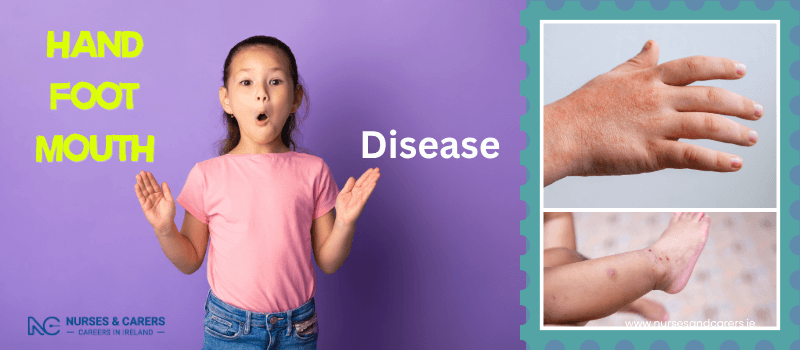
Cutaneous Rash: A raised rash consisting of distinct red spots that frequently develop into small, fluid-filled blisters. These commonly appear on the palms of the hands, soles of the feet, and occasionally around the groin and buttocks. The centers of these blisters may appear grey or cloudy, and they can be intensely itchy or tender.
Clinical Note: While symptoms are similar across age groups, it is possible to contract HFMD more than once. Subsequent infections are typically much milder than the primary episode.
Home Care and Symptom Management
There is no targeted antiviral cure or vaccine for hand, foot, and mouth disease. Because it is a viral infection, antibiotics are completely ineffective. Management focuses strictly on supportive care to ensure comfort and prevent dehydration:
1. Pharmacological Comfort
Antipyretics & Analgesics: Administer infant or child-formulations of paracetamol or ibuprofen to manage fever and tissue pain. Note: Only give ibuprofen if the infant is older than 3 months. Never administer aspirin to anyone under the age of 16 due to the risk of Reye's syndrome.
Topical Relief: Consult your pharmacist regarding suitable pediatric oral gels, pain-relieving mouth sprays, or specialized mouthwashes designed to numb painful oral ulcers.
2. Dietary Adjustments (Dos and Don'ts)
Do prioritize abundant fluids (water, milk, or diluted smoothies) to prevent dehydration. Using a straw can help bypass painful mouth ulcers. If an infant is breastfed, offer frequent feeds for both hydration and comfort.
Do provide soft, cool, or room-temperature foods that require minimal chewing, such as pureed vegetables, mashed potatoes, lukewarm soups, and ice cream.
Do encourage older children to gently rinse their mouths with warm, salty water to soothe oral sores.
Don't offer hot, highly spiced, or heavily salted foods.
Don't provide acidic foods or citrus juices (such as orange or grapefruit juice), as these will cause severe burning in open mouth ulcers.
Preventing Transmission and Outbreak Control
An infected individual is highly contagious and most likely to shed the virus during the first 5 days after symptoms start. The virus is shed via respiratory droplets (coughs, sneezes), fluid from ruptured blisters, and fecal matter.
Infection Control Checklist:
Wash your and your child's hands thoroughly with soap and water, especially after changing nappies, cleaning changing mats, or assisting with toileting.
Always wash your hands before preparing or handling food.
Use tissues to cover coughs and sneezes, dispose of them immediately in a bin, and wash hands.
Do not share personal household items, including towels, cups, drink containers, or cutlery.
Launder heavily soiled clothing and bedding on a hot cycle.
Strict Safety Protocol: Never place your child's dummy or soother into your own mouth to clean it if it falls to the floor, as this directly transfers infected saliva.
Attendance Guidelines for Childcare and School
Keep your child home from school, preschool, or childcare facilities only while they are actively feeling unwell or running a fever. As soon as their systemic symptoms improve and they feel better, they may safely return.
There is no medical requirement to wait until all external skin blisters have completely healed or crusted over. The virus spreads early, meaning the child was likely contagious before symptoms surfaced, and keeping them home longer does not effectively halt community transmission. Always notify your childcare facility or school if your child receives an HFMD diagnosis.
Gestational Health and Pregnancy
In the vast majority of cases, contracting HFMD during pregnancy poses no risk to maternal or fetal health. However, as a precaution, pregnant individuals should avoid close contact with anyone actively infected. Contracting the virus shortly before your due date can result in the neonate being born with a mild, manageable version of the infection. Contact your GP or midwife for advice if you suspect you have been exposed.
Monitoring for Complications
1. Dehydration
Driven by a refusal to swallow fluids due to severe mouth ulcers, dehydration is the most common reason for hospitalization in HFMD cases. Ensure the child pees regularly; a lack of wet nappies or infrequent urination indicates dehydration. Severe cases may require intravenous (IV) fluid therapy in a hospital setting.
2. Secondary Bacterial Skin Infections
Keep blistered areas clean by washing gently with lukewarm water and mild soap, then patting completely dry. Never pop or puncture the skin blisters. Popping them introduces environmental bacteria into an open wound and actively aerosolizes or spreads the virus to others. If a blister begins oozing thick yellow pus or the surrounding skin becomes intensely red and hot, a secondary bacterial infection may be present.
When to Seek Medical Attention
Contact Your GP for Advice If:
Your child's symptoms fail to show any improvement after 10 days.
Age Vulnerability: The infant is under 3 months of age and develops a temperature of 38°C (100.4°F) or above.
A child of any age runs a high fever exceeding 38°C for more than 3 consecutive days.
Your child displays clear signs of dehydration (e.g., dry mouth, crying without tears, no wet nappies for several hours).
Skin blisters become infected (oozing pus, spreading redness, or severe localized pain).
Clinical Access Note: Because HFMD is highly contagious, always call your GP's surgery before arriving in person. The administrative team may arrange a phone or video consultation to protect vulnerable patients in the waiting room.
Emergency Warning Signs
Certain rare strains of the virus can cause severe complications, including inflammation of the brain (encephalitis), spinal cord (meningitis), or heart muscle.
⚠️ EMERGENCY MEDICAL ACTION REQUIRED
Proceed immediately to your nearest Pediatric Emergency Department (ED) or call 112/999 if a child with hand, foot, and mouth disease exhibits any of these neurological or respiratory warning signs:
• High sensitivity or aversion to bright lights (photophobia)
• A severe, unremitting headache or a stiff neck
• Extreme drowsiness, lethargy, or difficulty waking them up
• Acute confusion, disorientation, or a seizure (fit)
• Rapid, shallow, or labored breathing
• Persistent, uncontrollable vomiting
(Note: A high temperature accompanied by a non-blanching rash can also indicate meningococcal septicemia. If you suspect meningitis, seek emergency medical care immediately.)
Disclaimer
The information provided here is for educational and informational purposes only. It does not constitute medical advice, diagnosis, or treatment. Always consult a qualified healthcare professional or your GP for specific medical concerns, diagnoses, or health advice. Never disregard professional medical advice or delay seeking it because of information you have read here.