
Heartburn and Acid Reflux
11 Sept 2026 · 3 min read
On this page11 sections
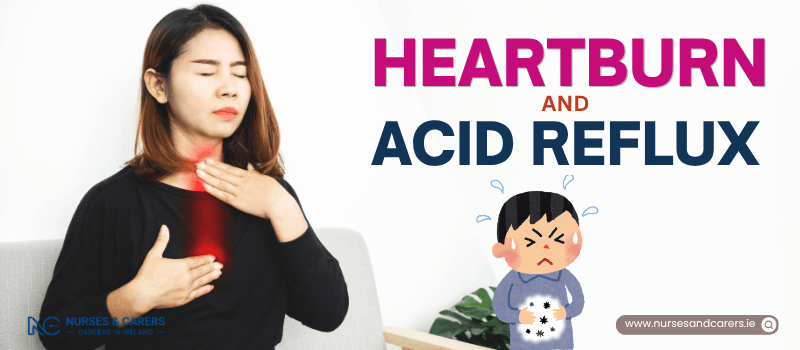
Heartburn is a burning sensation in the chest caused by stomach acid rising toward the throat, a process known as acid reflux. When this reflux becomes chronic and frequent, it is diagnosed as Gastro-Oesophageal Reflux Disease (GORD).
Symptoms of Acid Reflux
Symptoms typically intensify after eating, lying down, or bending over.
Primary Signs: A burning feeling in the chest (heartburn) and a sour, unpleasant acidic taste in the mouth.
Secondary Signs: Persistent cough, recurrent hiccups, a hoarse voice, bad breath, bloating, and nausea.
Common Causes and Triggers
While heartburn can occur without a clear reason, it is frequently triggered or worsened by:
Dietary Triggers: Coffee, alcohol, chocolate, tomatoes, and fatty or spicy foods.
Physical Pressure: Carrying extra weight, pregnancy, or wearing clothing tight around the waist.
Medical Conditions: A hiatus hernia (where part of the stomach pushes up into the chest cavity).
Lifestyle & Medications: Smoking, elevated stress or anxiety, and anti-inflammatory painkillers like ibuprofen.
Prevention and Lifestyle Changes
Do
Eat Mindfully: Consume smaller, more frequent meals instead of large portions.
Manage Weight: Take active steps to lose weight if you are carrying excess weight.
Stress Management: Practice relaxation techniques to reduce anxiety levels.
Elevate the Bed: Raise the head of your bed by 10cm to 20cm using wood, bricks, or books underneath the bedposts or mattress base.
Note: Do not use extra pillows. Pillows bend your body at the waist, increasing abdominal pressure and worsening reflux.
Don't
Do not eat or drink known triggers like caffeine, chocolate, or alcohol.
Do not eat anything within 3 to 4 hours of going to sleep.
Do not wear belts or clothes that restrict your waist.
Do not smoke or drink alcohol excessively.
Do not stop taking any prescribed medication without consulting your doctor first.
Treatment Pathways
1. Pharmacy Options
Consult a pharmacist if lifestyle adjustments do not stop your heartburn. They can recommend antacids to neutralize stomach acid. Take these with food or immediately after eating to maximize their effectiveness and duration.
2. GP Intervention & Medications
Schedule a non-urgent appointment with your GP if over-the-counter remedies fail, you experience heartburn most days for 3 weeks or more, or you have warning signs like difficulty swallowing, frequent vomiting, or unexplained weight loss.
Your GP can prescribe a Proton Pump Inhibitor (PPI) such as omeprazole or lansoprazole. These drugs suppress the stomach's acid production. A standard course lasts 4 to 8 weeks, but chronic sufferers may require a long-term prescription.
3. Specialist Tests and Surgery
If your symptoms remain severe despite taking prescription PPIs, a GP will refer you to a specialist for advanced care:
Gastroscopy: An investigative procedure where a thin, flexible tube with a camera is passed down your throat to inspect the esophagus and stomach lining.
Laparoscopic Fundoplication: A keyhole surgical procedure performed on the stomach to physically prevent acid from traveling back up into the throat.
Disclaimer
The information provided here is for educational and informational purposes only. It does not constitute medical advice, diagnosis, or treatment. Always consult a qualified healthcare professional or your GP for specific medical concerns, diagnoses, or health advice. Never disregard professional medical advice or delay seeking it because of information you have read here.