
Indigestion
12 Sept 2026 · 3 min read
On this page7 sections
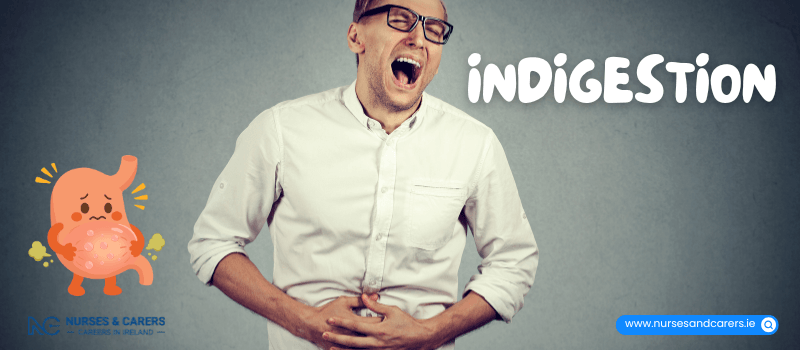
Indigestion, also known as dyspepsia, is a common condition that causes discomfort, pain, or a burning sensation in the upper abdomen after eating or drinking. While it can be uncomfortable, it is usually harmless and can be managed effectively at home or with over-the-counter treatments.
Recognizing the Symptoms
Symptoms typically present shortly after consuming food or liquids and include:
Heartburn: A painful, burning sensation in the chest caused by stomach acid rising into the throat (acid reflux).
Bloating: Feeling uncomfortably full, heavy, or swollen in the stomach area.
Nausea: Feeling sick or an urge to vomit.
Gas: Frequent belching or flatulence.
Regurgitation: Bringing up food or bitter-tasting fluids into the mouth.
Important Distinction: Severe back pain, or an intense tightness, crushing, or squeezing sensation in the chest, are not symptoms of indigestion. These can indicate a medical emergency, such as a heart attack, and require immediate emergency medical care.
Root Causes and Triggers
Indigestion occurs when stomach acid irritates the sensitive lining of the digestive tract or the esophagus. Common triggers and underlying causes include:
Dietary choices: Rich, spicy, or high-fat foods.
Lifestyle factors: Smoking, alcohol consumption, and high stress levels.
Medications: Certain drugs, particularly non-steroidal anti-inflammatory drugs (NSAIDs).
Bacterial infections: An overgrowth of Helicobacter pylori (H. pylori) bacteria in the gut.
Underlying medical conditions: Gastro-oesophageal reflux disease (GORD), hiatus hernia, stomach ulcers, or, rarely, stomach cancer.
Self-Care and Lifestyle Adjustments
Most episodes of indigestion do not require a doctor's visit. You can manage and prevent symptoms by adopting the following habits:
Do: Reduce your intake of tea, coffee, carbonated soft drinks, and alcohol.
Do: Prop your head and shoulders up with extra pillows in bed to prevent acid from traveling up your throat while you sleep.
Do: Work toward achieving a healthy weight if you are carrying excess weight.
Don't: Avoid eating within 3 to 4 hours of going to sleep.
Don't: Avoid rich, fatty, or highly spiced meals.
Don't: Do not take ibuprofen or aspirin, as these specific pain relievers can severely irritate the stomach lining and worsen indigestion.
Don't: Quit smoking, as tobacco smoke weakens the valve between the esophagus and stomach.
Pharmacy Treatments
A community pharmacist can recommend over-the-counter medications to neutralize or reduce stomach acid:
Antacids: Fast-acting medications that neutralize existing stomach acid to provide immediate relief.
Proton Pump Inhibitors (PPIs): Medications such as omeprazole, pantoprazole, or lansoprazole that reduce the amount of acid your stomach produces.
Note: Many indigestion treatments are most effective when taken directly after meals for longer-lasting protection. Always read the enclosed patient leaflet for exact dosage instructions.
Indigestion During Pregnancy
Indigestion is exceptionally common during pregnancy, particularly from the 27th week onward. This is driven by hormonal fluctuations that relax digestive muscles and the physical pressure of the growing baby pressing against the stomach. Pregnant individuals should consult a pharmacist or midwife before taking any remedies, as they can recommend options that are safe for both parent and baby.
When to Consult a GP
While indigestion is usually benign, certain "red flag" symptoms can indicate a more serious underlying issue. Speak to a GP if you experience regular, persistent indigestion or if you meet any of the following criteria:
You are 55 years of age or older.
You are experiencing severe, unmanageable abdominal pain.
You have lost a significant amount of weight without trying.
You suffer from difficulty swallowing (dysphagia) or persistent vomiting.
You have been diagnosed with iron-deficiency anemia.
You feel a distinct lump in your stomach area.
You notice blood in your vomit or your stool appears black and tarry.
To investigate these symptoms, a doctor may arrange diagnostic testing, such as a gastroscopy (an endoscopy to look inside the stomach with a small camera).
Disclaimer
The information provided here is for educational and informational purposes only. It does not constitute medical advice, diagnosis, or treatment. Always consult a qualified healthcare professional or your GP for specific medical concerns, diagnoses, or health advice. Never disregard professional medical advice or delay seeking it because of information you have read here.