
Heel Pain
11 Sept 2026 · 4 min read
On this page11 sections
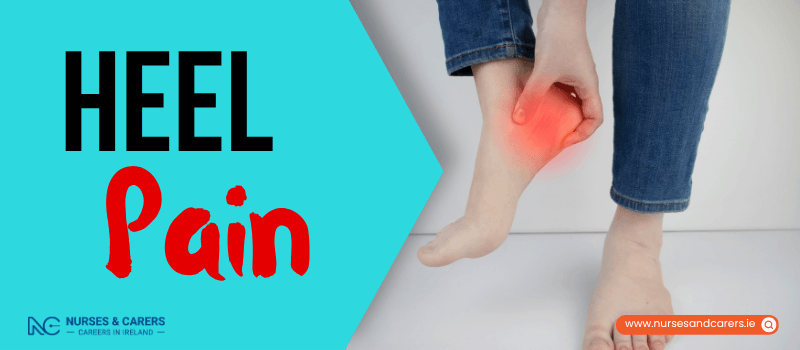
Heel Pain is a common issue with numerous potential causes, ranging from minor strain to structural injuries. In most cases, you can successfully manage and relieve the discomfort at home using conservative self-care methods.
Home Management Strategies
If you consult a healthcare professional, they will typically advise you to follow these practical self-care guidelines to promote healing and ease discomfort.
Do
Rest and Elevation: Keep your foot elevated and avoid putting weight on your heel whenever possible.
Ice Therapy: Apply an ice pack (or a towel-wrapped bag of frozen vegetables) to the affected area for up to 20 minutes every 2 to 3 hours.
Supportive Footwear: Wear wide, comfortable shoes featuring a low heel and a well-cushioned, supportive sole.
Orthotic Insoles: Insert soft, shock-absorbing insoles or dedicated heel pads into your shoes.
Compression: Wrap a supportive bandage around your heel and ankle to stabilize the joint.
Gentle Mobility: Perform regular, low-impact stretching exercises for your foot and calf muscles.
Pain Relief: Take paracetamol as directed to manage pain levels.
Don't
Do not take ibuprofen or other NSAIDs during the first 48 hours following an acute injury, as this can interfere with early healing.
Do not walk, run, or stand for extended periods.
Do not wear high heels, flip-flops, or tight, narrow, pointy shoes.
Clinical Assessment Pathways
This information is for general knowledge and should not be taken as medical advice. Consult with a healthcare provider before starting any new treatment or managing medical conditions.
When to Consult a Pharmacist
Your local pharmacist is an accessible resource for initial foot care. They can provide advice on choosing the safest oral or topical painkillers, select appropriate over-the-counter insoles or heel cups, recommend treatments for superficial skin conditions, and help determine if your issue requires a doctor’s assessment.
When to Schedule a GP Appointment
Make a non-urgent appointment with your GP if:
The pain is severe enough to halt your normal day-to-day activities.
The discomfort is progressively worsening or continually recurs.
Your symptoms show no signs of improvement after 2 weeks of home care.
You experience tingling, numbness, or a loss of sensation anywhere in your foot.
You have diabetes: Even minor foot or heel pain requires prompt professional monitoring if you are diabetic, as vascular and nerve complications can quickly escalate.
🚨 Emergency Action Required: Go to your nearest Minor Injury Unit or Emergency Department immediately if you experience severe heel pain following an acute impact or injury, feel dizzy, faint, or nauseous from the intensity of the pain, cannot bear any weight on your foot, or noticed a distinct snap, pop, or grinding sensation during the injury. These symptoms, alongside visible deformity or an unnatural ankle angle, strongly indicate a broken heel bone (calcaneus fracture) or a ruptured Achilles tendon.
Identifying the Cause Based on Symptoms
Your specific symptoms can help narrow down the underlying trigger of your heel pain:
Symptom Pattern | Potential Underlying Cause |
|---|---|
Sharp pain concentrated between the arch and the heel; significantly worse during your first steps in the morning or after resting; difficulty flexing the toes upward. | Plantar Fasciitis (Inflammation of the thick band of tissue supporting the arch). |
Aching or stiffness localized to the back of the heel and ankle; pain intensifies in the calf muscle when standing up on your tiptoes. | Achilles Tendonitis (Inflammation of the tendon connecting the calf to the heel). |
Visual redness, localized swelling, and a persistent, dull ache directly behind or underneath the heel. | Bursitis (Inflammation of the fluid-filled sacs that cushion the joints). |
Sudden, agonizing pain accompanied by immediate swelling, an audible snapping sound during the injury, and a total inability to walk. | Heel Fracture or Ruptured Achilles Tendon (Requires immediate emergency intervention). |
Disclaimer
The information provided here is for educational and informational purposes only. It does not constitute medical advice, diagnosis, or treatment. Always consult a qualified healthcare professional or your GP for specific medical concerns, diagnoses, or health advice. Never disregard professional medical advice or delay seeking it because of information you have read here.