
Bunions
6 Sept 2026 · 4 min read
On this page9 sections
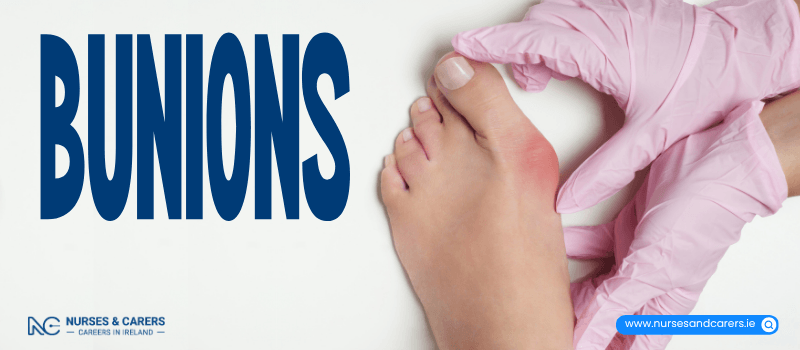
Bunions are bony deformities that develop on the outer edge of the foot at the base of the big toe. This condition arises when the big toe joint shifts out of alignment, forcing the bones of the toe to lean inward toward the smaller toes.
While surgical intervention is the only definitive method to eliminate a bunion and realign the joint, several non-surgical strategies can effectively manage the associated discomfort.
Identifying a Bunion
You can typically recognize a bunion by the following physical signs:
Bony Prominence: A firm, noticeable protrusion on the side of the foot next to the base of the big toe.
Toe Angularity: The big toe visibly angles inward toward the neighboring toes.
Skin Changes: The skin covering the protrusion often becomes thickened, red, or inflamed.
Localized Discomfort: A persistent ache along the side or sole of the foot, which typically intensifies when walking or wearing footwear.
Similar Conditions
If you are uncertain about your symptoms, a GP can help differentiate a bunion from other conditions with overlapping traits:
Gout: Causes sudden, severe episodes of intense pain accompanied by hot, red, and highly swollen skin over a joint.
Arthritis: Characterized by deep aching, stiffness, and joint swelling that is frequently most severe in the morning.
Fractured Toe: Results in acute pain, bruising, and rapid swelling following a specific physical trauma or injury.
Managing Bunion Pain at Home
Home care measures cannot reverse the structural changes of a bunion or completely halt its progression, but they are highly effective at minimizing daily discomfort.
What to Do:
Footwear Choice: Prioritize wide-fitting footwear featuring a low heel to reduce pressure on the joint.
Cold Therapy: Apply an ice pack or wrapped bag of frozen vegetables to the area for up to 5 minutes at a time to reduce swelling.
Protective Cushioning: Apply protective bunion pads (available at local pharmacies) to prevent friction against your shoes.
Pain Relief: Speak with a pharmacist about over-the-counter pain medications like paracetamol or ibuprofen.
Physical Conditioning: Regularly stretch your calf muscles to relieve tension across the foot.
Weight Management: Strive to maintain a healthy body weight to reduce the physical load and stress on your feet.
What to Avoid:
Do not wear high-heeled shoes.
Do not wear narrow, tight, or pointed footwear.
Professional Medical & Podiatry Care
If home care falls short, consult a GP or a podiatrist. They can assess your gait and prescribe targeted symptom-relief options, including custom orthotic insoles, specialized toe spacers, and structural toe supports.
When to Consult a GP
Schedule a non-urgent medical appointment if:
Conservative home remedies fail to alleviate the pain.
The discomfort actively interferes with your daily routines or mobility.
The deformity is noticeably worsening.
You have diabetes (foot conditions in diabetic patients carry a much higher risk of complications and require prompt clinical oversight).
Bunion Surgery (Bunionectomy)
A GP may refer you to an orthopedic or vascular surgeon if the bunion causes debilitating pain that severely restricts your lifestyle. Surgery is strictly a corrective medical procedure and is not performed for cosmetic or aesthetic reasons alone.
The Surgical Procedure
The most frequent surgical technique used is an osteotomy, typically performed under general anesthesia. During this outpatient procedure:
The surgeon makes an incision over the affected big toe joint.
The misplaced bone is cut, shaved, or realigned to remove the protrusion.
The toe bone is straightened and permanently secured into its proper position using internal medical screws or staples.
Most patients are discharged to return home on the same day.
Post-Operative Recovery Timeline
Regaining full mobility after an osteotomy requires a dedicated recovery period:
Weeks 1–2: Rest strictly and keep weight off your feet as much as possible.
Weeks 6–8: Avoid operating a motor vehicle or driving.
Weeks 6–12: Take time off from work to ensure proper bone healing.
Up to 6 Months: Refrain from participating in strenuous sports or high-impact activities.
Long-Term: Continue wearing supportive, wide-fitting shoes indefinitely.
Note: Following surgery, the toe joint may remain slightly stiffer or weaker than it was originally. The toe might not be perfectly straight, the foot may retain some width, and there is a minor statistical risk that the bunion could recur over time.
Disclaimer
The information provided here is for educational and informational purposes only. It does not constitute medical advice, diagnosis, or treatment. Always consult a qualified healthcare professional or your GP for specific medical concerns, diagnoses, or health advice. Never disregard professional medical advice or delay seeking it because of information you have read here.