
Hepatitis
11 Sept 2026 · 5 min read
On this page8 sections
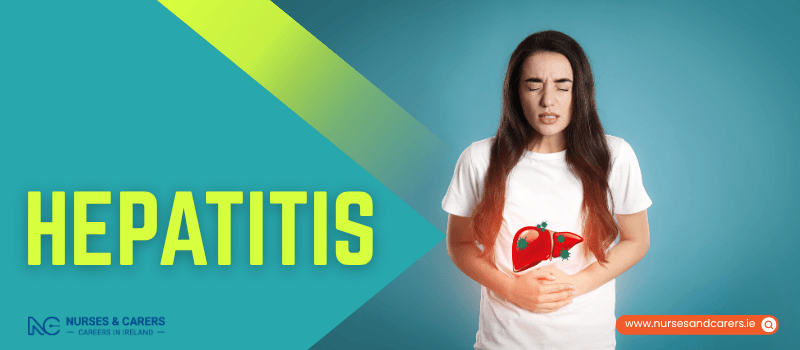
Hepatitis is the medical term used to describe inflammation of the liver. The condition is most commonly triggered by a viral infection or prolonged, excessive alcohol consumption. It can also stem from autoimmune disorders or other infectious illnesses.
While some forms of hepatitis resolve spontaneously without causing permanent harm, others progress into chronic, long-term infections. Chronic inflammation causes extensive liver scarring (cirrhosis), a progressive loss of liver function, liver failure, or liver cancer.
Symptom Checklist: Acute vs. Chronic
1. Short-Term (Acute) Stage
Acute hepatitis frequently presents with no noticeable symptoms, meaning many individuals are unaware of their infection. When symptoms do emerge, they typically include:
Unexplained, persistent fatigue and a general sense of feeling unwell.
Muscle and joint aches accompanied by a high temperature.
Nausea, vomiting, and a loss of appetite.
Abdominal pain localized to the upper right side.
Vascular & Secretory Signs: Dark urine; pale, grey-coloured stools; intense skin itching; and yellowing of the skin and eyes (jaundice).
2. Long-Term (Chronic) Stage
Chronic hepatitis can silently damage the liver for decades without causing obvious symptoms until the organ begins to fail. In its later stages, symptoms escalate to include:
Severe, persistent jaundice.
Visible swelling (edema) in the legs, ankles, and feet.
Mental confusion or cognitive changes due to toxin accumulation in the blood.
Internal Bleeding: Blood visible in your vomit or stool (which may appear completely black).
📞 Medical Advice: Schedule a prompt appointment with your GP if you experience any persistent or troublesome symptoms. Seek immediate medical assessment if your child develops any signs of hepatitis, such as jaundice.
The 5 Types of Viral Hepatitis
Type | Primary Transmission Method | Severity & Outlook | Prevention & Treatment |
|---|---|---|---|
Hepatitis A | Consuming food or water contaminated with the feces of an infected person. Common in areas with poor sanitation. | Usually resolves within a few months. Can occasionally cause severe, life-threatening acute liver illness. | Prevention: High hygiene standards and hands-washing. Vaccine: Recommended for travelers to high-risk zones (e.g., Africa, South America, Far East) or high-risk individuals. No specific cure; treatment targets symptom relief. |
Hepatitis B | Exposure to infected blood or bodily fluids. Most commonly passed from an infected mother to her baby during birth, or via child-to-child contact. | Most adults fight off the virus within a couple of months. Most infected children develop a chronic infection, risking cirrhosis and liver cancer. | Prevention: Routine childhood immunization. Vaccine: Free in Ireland for high-risk groups (healthcare workers, people who inject drugs, men who have sex with men). Chronic cases are managed with long-term antiviral drugs. |
Hepatitis C | Direct blood-to-blood contact. In Ireland, it is most frequently spread by sharing needles during drug use; outside Ireland, it is linked to unsafe medical injections. | The most common viral hepatitis in Ireland. About 75% of cases become chronic, leading to silent liver damage, cirrhosis, and liver failure. | Treatment: Curable using highly effective modern antiviral medications. Vaccine: There is currently no vaccine available for Hepatitis C. |
Hepatitis D | Blood-to-blood or sexual contact. It can only survive in individuals who already have an active Hepatitis B infection. | Rare in Ireland (more common in Eastern Europe, Africa, South America). Co-infection drastically accelerates the risk of cirrhosis and liver cancer. | Prevention: Getting the Hepatitis B vaccine automatically protects you from developing a Hepatitis D infection. Target treatments are available. |
Hepatitis E | Eating raw or undercooked pork, sausages, offal, wild boar, venison, or shellfish. Now the leading cause of acute hepatitis in Ireland. | Generally a mild, short-term illness that requires no medical treatment. Can become highly dangerous or chronic in immunocompromised individuals. | Prevention: Cook all pork products thoroughly until steaming hot all the way through, no pink meat remains, and juices run completely clear. There is no vaccineavailable. |
Non-Viral Forms of Hepatitis
1. Alcoholic Hepatitis
This form is caused by heavy, habitual alcohol consumption sustained over many years. It is highly prevalent in Ireland, and many sufferers remain completely undiagnosed in the early phases.
Reversibility: The structural liver damage caused by mild alcoholic hepatitis can usually be reversed if you stop drinking alcohol permanently. Severe cases, however, cause rapid liver failure and are life-threatening.
Risk Reduction: Adhere strictly to low-risk drinking thresholds. The recommended weekly maximum guidelines are fewer than 11 standard drinks for women and fewer than 17 standard drinks for men, spaced out over the course of the week.
2. Autoimmune Hepatitis
A rare, chronic condition where the body's immune system mistakenly targets, attacks, and destroys healthy liver cells.
Progression: If left unmanaged, the continuous immune attack causes severe tissue damage until the liver stops functioning.
Management: While the exact root cause is unknown and it cannot be actively prevented, it is treated highly effectively using immunosuppressant medications that calm the immune system and halt liver inflammation.
Disclaimer
The information provided here is for educational and informational purposes only. It does not constitute medical advice, diagnosis, or treatment. Always consult a qualified healthcare professional or your GP for specific medical concerns, diagnoses, or health advice. Never disregard professional medical advice or delay seeking it because of information you have read here.