
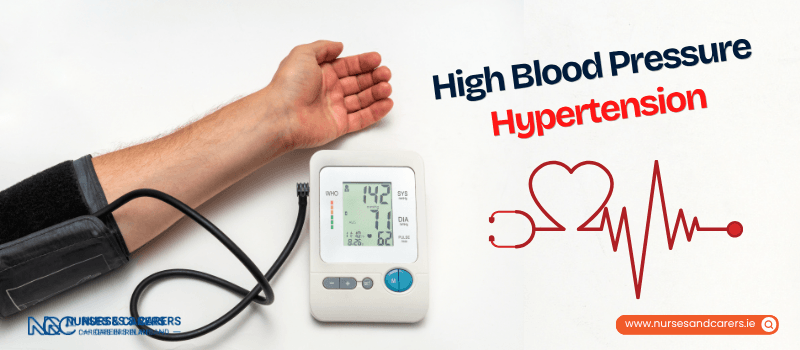
High Blood Pressure (Hypertension)
11 Sept 2026 · 12 min read
On this page47 sections
High blood pressure (hypertension) strains your heart and blood vessels, increasing the risk of severe health conditions. Because it rarely shows symptoms, regular screening is vital for early detection and prevention.
Serious Health Risks
Excessive blood pressure damages your organs over time, drastically increasing your risk for:
Heart disease
Atrial fibrillation
Stroke
Dementia
Loss of eyesight
Kidney failure
Screening Guidelines
The only way to detect hypertension is through regular checks:
Age 40+: Check at least once a year.
Age 18–39: Check every 5 years if you are healthy with no family history.
Where to test: GP surgeries, local pharmacies, workplaces, health events, or at home.
Common Risk Factors
While the exact cause is often unclear, the risk of high blood pressure increases due to:
Older age
Family history
High salt intake
Lack of exercise
Being overweight
Excessive alcohol consumption
Eating a lot of liquorice
Smoking tobacco
Chronic sleep deprivation or sleep apnoea
Underlying medical conditions or specific medications (1 in 20 cases)
Prevention & Lifestyle Changes
Adopting healthy habits can lower your blood pressure within weeks and potentially eliminate the need for medication:
Limit daily salt to under 6g (1 teaspoon).
Eat balanced meals low in fat, high in fruits and vegetables.
Exercise regularly and stay physically active.
Minimize alcohol and caffeine intake.
Manage weight using a healthy BMI calculator.
Quit smoking entirely.
Sleep well for at least 6 hours every night.
Note: Pregnant individuals with high blood pressure require specialized, close monitoring to protect both parent and baby.
Accurate Testing Protocol
A single high reading does not mean you have hypertension, as stress and anxiety can temporarily spike your numbers. For an accurate diagnosis, doctors look at average trends:
At-home tracking: Test twice a day (morning and evening) while sitting down.
Dual readings: Take 2 readings, spaced 1 minute apart, during each session.
Duration: Repeat this routine for 7 consecutive days.
24-hour monitoring: Your GP may also request you wear a continuous 24-hour monitor to track natural daily fluctuations.
High blood pressure (hypertension) rarely has symptoms. Regular testing is the only way to detect it and save your life.Screening Schedule
Age 40 or older: Check at least once a year.
Age 18 to 39: Check every 5 years if you are healthy with no family history.
Where to Get Tested
You do not need to wait for an invitation. Request a test at:
GP surgeries
Select pharmacies
Some workplaces
Local health events
Your own home using a validated testing kit
How to Prepare for the Test
An accurate reading requires proper positioning and physical rest:
Rest: Sit quietly for 5 minutes before the test.
Posture: Keep your back supported and legs uncrossed.
Clothing: Remove or roll up long sleeves.
Behavior: Remain relaxed and avoid talking during the test.
What Happens During the Test
Doctors use manual tools (cuff, pump, stethoscope) or digital, automatic devices:
Arm position: Your arm is supported at heart level by a cushion or armrest.
Inflation: The cuff inflates to briefly restrict blood flow, causing mild, temporary squeezing.
Deflation: Pressure slowly releases while sensors or a stethoscope detect arterial vibrations.
Results: The device records two pressure points, and you receive results instantly.
Diagnosing Hypertension
A single high reading does not confirm hypertension. Stress or anxiety can cause temporary spikes. Doctors confirm a diagnosis using two methods:
24-hour ambulatory monitoring: You wear a continuous monitor that tracks natural blood pressure fluctuations throughout the day.
7-day home testing: You measure your blood pressure twice daily (morning and evening) while sitting down. Take 2 readings spaced 1 minute apart during each session. Your GP averages these 14 sets of readings.
Note: Ensure your home device is clinically validated by an independent organisation like STRIDE-BP.
Understanding Your Numbers
Blood pressure is measured in millimetres of mercury (mmHg) and written as two numbers:
Systolic (top number): Pressure when the heart pumps blood out.
Diastolic (bottom number): Pressure when the heart rests between beats.
Category | Under 80 Years Old | Over 80 Years Old |
|---|---|---|
Ideal | Between 90/60mmHg and 120/80mmHg | Below 150/90mmHg (Clinic) or 145/85mmHg (Home) |
At Risk | Between 120/80mmHg and 140/90mmHg | Monitor closely; lifestyle changes needed |
High | 140/90mmHg or higher (Clinic) | 150/90mmHg or higher (Clinic) |
High blood pressure (hypertension) is a common condition that rarely causes obvious symptoms, but if left untreated, it drastically increases your risk of life-threatening events like heart attacks and strokes.
While the exact root cause remains unclear for most people, specific risk factors, underlying health conditions, and certain medications are proven to trigger the condition.
Lifestyle and Genetic Risk Factors
For the majority of individuals, hypertension develops over time due to a combination of genetics and everyday habits. Major risk factors include:
Advanced Age: Risk increases naturally as you get older.
Family History: Having close relatives with high blood pressure.
Dietary Salt: Eating a high-sodium diet.
Physical Inactivity: Lack of regular exercise.
Weight: Being overweight or obese.
Alcohol: Regularly drinking large volumes of alcohol.
Smoking: Using tobacco products.
Poor Sleep: Chronic sleep deprivation.
Sleep Apnoea: Obstructive sleep apnoea, often signaled by loud snoring.
Secondary Causes: Underlying Health Conditions
In about 1 out of 20 cases, hypertension is secondary, meaning it is directly caused by another medical condition. These conditions include:
Kidney Issues: Chronic kidney disease, long-term kidney infections, or narrowed kidney arteries.
Glomerulonephritis: Inflammatory damage to the kidney's internal filters.
Diabetes: Chronic high blood sugar that damages blood vessels.
Hormonal Disorders: An underactive thyroid (hypothyroidism), overactive thyroid (hyperthyroidism), Cushing's syndrome, or acromegaly.
Autoimmune Diseases: Lupus (where the immune system attacks joints and organs) or scleroderma (which causes thickened skin and vascular issues).
Secondary Causes: Medications and Subtances
Certain prescription drugs, over-the-counter remedies, and illegal substances can raise your blood pressure. In many cases, readings return to normal once the substance is stopped. Examples include:
Hormonal Contraceptives: The birth control pill.
Steroids & NSAIDs: Corticosteroids and common pain relievers like ibuprofen and naproxen.
Cold Remedies: Over-the-counter cough and cold medicines.
Herbal Supplements: Particularly remedies containing licorice root.
Antidepressants: Specific types, such as SSNRI antidepressants.
Recreational Drugs: Illicit stimulants like cocaine and amphetamines.
High blood pressure is managed through a combination of healthy lifestyle changes and, when necessary, daily prescription medications. Your General Practitioner (GP) will determine your specific treatment plan by evaluating your clinical blood pressure readings alongside your overall risk of cardiovascular events, such as heart attacks or strokes.
When Treatment Is Recommended
To evaluate your risk, your GP will perform blood and urine tests and review your medical history. Action plans are determined by specific reading thresholds:
140/90 mmHg or higher (or 135/85 mmHg at home) with LOW cardiovascular risk: Managed primarily through lifestyle modifications.
140/90 mmHg or higher (or 135/85 mmHg at home) with HIGH cardiovascular risk: Managed with a combination of medication and lifestyle modifications.
160/100 mmHg or higher: Immediate prescription of blood pressure medication, in addition to lifestyle changes.
Patients aged 80 and older: Target thresholds are slightly higher, aiming for below 150/90 mmHg in a clinic or below 145/85 mmHg at home. Treatment choices are evaluated individually based on overall health.
Lifestyle Modifications
Adopting healthy habits can lower blood pressure within a few weeks and may reduce or eliminate the need for medication.
Reduce Salt: Limit intake to less than 6g (approx. 1 teaspoon) per day.
Improve Diet: Consume a low-fat, balanced diet rich in fresh fruits and vegetables.
Stay Active: Incorporate regular physical exercise into your weekly routine.
Manage Substance Use: Stop smoking completely, reduce alcohol intake, and lower caffeine consumption.
Maintain Weight: Achieve a healthy body mass index (BMI).
Prioritise Sleep: Ensure you get at least 6 hours of quality sleep per night.
Medical Treatments
Blood pressure medications are highly effective but must be taken exactly as prescribed to work. Even if you feel fine, the medication is actively protecting your cardiovascular system. If you experience side effects, consult your doctor to switch medications rather than stopping abruptly.
1. ACE Inhibitors
How they work: Relax and widen blood vessels.
First-line for: Adults under the age of 55.
Examples: Enalapril, lisinopril, perindopril, ramipril.
Common side effects: Persistent dry cough, headaches, dizziness, skin rash.
2. Angiotensin-2 Receptor Blockers (ARBs)
How they work: Relax blood vessels; frequently prescribed as an alternative if ACE inhibitors cause a chronic cough.
Examples: Candesartan, irbesartan, losartan, valsartan, olmesartan.
Common side effects: Dizziness, headaches, cold- or flu-like symptoms.
3. Calcium Channel Blockers
How they work: Widen blood vessels to ease blood flow.
First-line for: Adults aged 55 and older.
Examples: Amlodipine, felodipine, nifedipine, diltiazem, verapamil.
Common side effects: Headaches, swollen ankles, constipation.
Note: Avoid drinking grapefruit juice, as it increases the risk of side effects.
4. Diuretics (Water Pills)
How they work: Flush excess water and sodium from the body via urine; used if calcium channel blockers cause complications.
Examples: Indapamide, bendroflumethiazide.
Common side effects: Frequent urination, increased thirst, dizziness when standing, rash, and low potassium/sodium levels over time.
5. Beta Blockers
How they work: Slow the heart rate and reduce the force of its contractions.
Usage: Only prescribed if other treatment classes have failed, as they are generally less effective.
Examples: Atenolol, bisoprolol.
Common side effects: Tiredness, cold hands and feet, dizziness, headaches.
Successfully managing high blood pressure involves committing to simple, daily lifestyle habits. These proactive changes can prevent, reduce, or maintain your blood pressure at a safe level, significantly lowering your risk for cardiovascular disease.
Diet and Nutrition
Your food choices directly impact your vascular health. Adjusting your daily intake is one of the most effective ways to lower your readings.
Restrict Salt: Sodium raises blood pressure. Limit your salt intake to less than 6g (about one teaspoon) per day.
Increase Plant Foods: Eat a minimum of 5 portions of fruits and vegetables daily.
Choose High Fibre: Consume a low-fat diet rich in fibre to support cardiovascular health.
Monitor Caffeine: Limit yourself to fewer than 4 cups of coffee daily. Avoid relying on coffee, tea, cola, or energy drinks as your primary source of fluids.
Weight and Exercise
Carrying excess weight forces your heart to work harder to circulate blood, which elevates your blood pressure.
Track Your BMI: Use a body mass index (BMI) calculator to determine if you need to lose weight. Even a modest weight loss lowers your numbers.
Exercise Regularly: Aim for at least 150 minutes of moderate-intensity aerobic activity every week. Examples include cycling, brisk walking, sports, or active gardening.
Substance Use and Sleep
Modifying your consumption habits and sleep schedule directly protects your arteries.
Limit Alcohol: Do not regularly exceed 14 units of alcohol per week. If you drink up to 14 units, spread them evenly over 3 or more days to avoid sudden blood pressure spikes. Alcohol is also high in calories and triggers weight gain.
Quit Smoking: Smoking does not cause hypertension directly, but it rapidly narrows your arteries. Combining smoking with high blood pressure dramatically accelerates your risk of heart and lung disease.
Prioritise Sleep: Chronic sleep deprivation is linked to rising blood pressure. Consistently aim for at least 6 hours of sleep each night.
Patient Support Services
If you need guidance or support with managing your heart health, local organisations offer dedicated help lines:
Irish Heart Foundation: Telephone and online support available Monday to Friday, 9:00 am to 1:00 pm. Call 01 6685 001 or email support@irishheart.ie.
Croí: Dedicated support for stroke survivors and affected families, available Monday to Friday, 9:00 am to 5:30 pm. Call 091 544 310.
Disclaimer
The information provided here is for educational and informational purposes only. It does not constitute medical advice, diagnosis, or treatment. Always consult a qualified healthcare professional or your GP for specific medical concerns, diagnoses, or health advice. Never disregard professional medical advice or delay seeking it because of information you have read here.