
High Cholesterol
11 Sept 2026 · 10 min read
On this page23 sections
High cholesterol occurs when you have an excessive amount of a fatty substance called cholesterol in your blood. Because this condition causes no obvious symptoms, it can only be detected through a formal blood test.
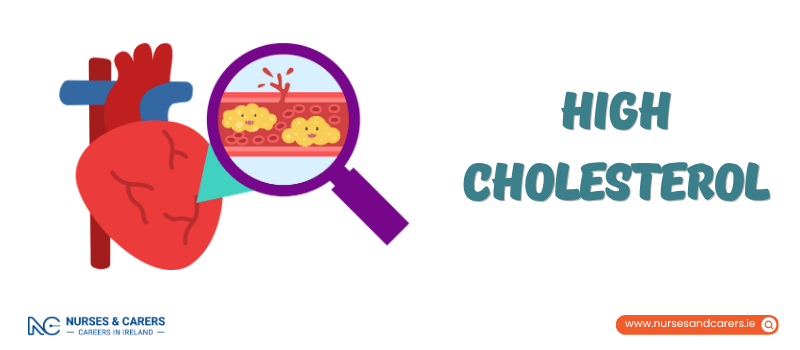
Over time, unmanaged cholesterol can build up and block your blood vessels, significantly increasing your risk of serious cardiovascular conditions, including heart attacks and strokes.
Primary Causes
High cholesterol develops due to a combination of lifestyle choices and genetics. Main triggers include:
Diet: Frequently eating foods high in saturated and trans fats.
Inactivity: A lack of regular physical exercise.
Weight: Being overweight or carrying excess body fat.
Substance Use: Smoking tobacco products and regularly drinking alcohol.
Genetics: Inheriting a family history of high cholesterol (such as familial hypercholesterolaemia).
Management and Intervention
Most people can successfully manage or lower their cholesterol levels through targeted interventions.
Lifestyle Changes: Transitioning to a heart-healthy, low-fat diet and increasing daily physical activity.
Medical Treatment: Taking prescription medications (such as statins) if lifestyle modifications alone are not enough to lower levels.
Cholesterol is a vital fatty substance produced by the liver and found in certain foods, necessary for normal bodily functions. However, excessively high levels in the blood (hyperlipidaemia) can cause atherosclerosis (narrowing of the arteries).
While high cholesterol itself presents no symptoms, the resulting vascular blockages significantly elevate the risk of coronary heart disease (CHD) and strokes.
1. Lifestyle Factors
Daily habits directly impact your balance of "good" cholesterol (high-density lipoprotein or HDL) and "bad" cholesterol (low-density lipoprotein or LDL).
Unhealthy Diet: The total amount of saturated fat in your diet raises blood cholesterol far more than eating foods naturally containing dietary cholesterol (like eggs and liver).
Lack of Exercise: Physical inactivity raises LDL ("bad") cholesterol levels.
Obesity: Being overweight increases LDL cholesterol and triglycerides, while actively lowering protective HDL ("good") cholesterol.
Alcohol Consumption: Regularly drinking large quantities of alcohol elevates both total cholesterol and triglyceride levels.
Smoking: Tobacco use physically blocks HDL cholesterol from transporting fatty deposits back to the liver, accelerating arterial narrowing.
2. Underlying Health Conditions
Certain chronic medical conditions can disrupt lipid metabolism. Successfully treating these underlying issues often helps reduce cholesterol:
High blood pressure (hypertension)
Diabetes
Kidney disease
Liver disease
Underactive thyroid gland (hypothyroidism)
3. Fixed Risk Factors
Some biological variables cannot be altered. If you have these fixed factors, managing your lifestyle and underlying conditions becomes even more critical to prevent heart attacks or strokes:
Age: The risk of arterial narrowing builds naturally over time as deposits accumulate.
Gender: Biological males statistically face a higher risk of heart attacks than biological females.
Family History: A higher risk exists if a close male relative under 55 or a female relative under 65 has experienced CHD or a stroke. It also increases if a parent or sibling has high cholesterol.
4. Genetic Conditions: Familial Hypercholesterolaemia
This inherited genetic mutation causes severe high cholesterol from birth, completely independent of lifestyle choices.
It affects roughly 1 in 500 people.
It leads to the accelerated, early development of atherosclerosis and CHD.
First-degree relatives (children, brothers, sisters) of an affected individual face a 50% (1 in 2) chance of inheriting the gene mutation.
Understanding Triglycerides
Triglycerides are another crucial fatty substance in the blood, manufactured by the liver and absorbed from dairy, meat, and cooking oils. High triglyceride levels mimic the dangers of high cholesterol and are primarily triggered by:
Carrying excess body weight.
Eating diets high in fats or simple sugars.
Consuming large amounts of alcohol.
Living with diabetes or possessing specific genetic predispositions.
High cholesterol causes no physical symptoms, making a formal blood test the only way to detect it. The test measures the levels of "good" (HDL) cholesterol, "bad" (LDL) cholesterol, and other fatty substances (triglycerides) in your blood.
Getting Tested
Preparation: You must fast (avoid all food and drink except water) for 10 to 12 hours before the test. This ensures your food is fully digested and does not distort the accuracy of the results.
Procedure: A GP or practice nurse will collect a small blood sample, either via a standard needle and syringe from your arm or through a quick finger-prick test.
Who Needs a Cholesterol Test?
Your GP will generally recommend a cholesterol screening if you fall into any of the following categories:
Age: You are over the age of 40 (requiring regular cardiovascular risk assessments).
Prior Cardiovascular Events: You have a history of coronary heart disease, stroke, mini-stroke (TIA), or peripheral arterial disease.
Family History: You have close relatives who developed early cardiovascular disease or inherited cholesterol conditions.
Lifestyle & Weight: You are classified as overweight or obese.
Co-existing Chronic Conditions: You have high blood pressure or diabetes.
Secondary Medical Causes: You have kidney disease, an underactive thyroid, or an inflamed pancreas (pancreatitis), all of which are known to elevate blood fats.
Understanding Your Results and 10-Year Risk
Your doctor or nurse will not look at your cholesterol numbers in isolation. Instead, they use your readings alongside several variables to calculate your statistical risk of developing heart disease or a stroke over the next 10 years. This risk calculation evaluates:
Your Body Mass Index (BMI).
Treatable conditions like diabetes and hypertension.
Your age, biological sex, family history, and ethnicity.
Based on this comprehensive risk profile, your healthcare provider will recommend a management plan. This may involve lifestyle modifications (diet and exercise changes) or prescription cholesterol-lowering medications like statins.
Special Protocol: Familial Hypercholesterolaemia (FH)
Because inherited high cholesterol carries an exceptionally high risk of early cardiovascular disease, it follows a distinct clinical path:
Specialist Referral: If diagnosed with FH, you will be referred directly to a specialist for an in-depth assessment and immediate treatment plan.
Family Screening: Your biological family members will be contacted and offered testing, as the condition is highly heritable.
Annual Reviews: You will undergo a comprehensive review at least once a year to evaluate treatment efficacy and screen for any emerging cardiovascular symptoms.
Childhood Testing: Children suspected of inheriting FH are proactively tested by age 10. By this age, early structural indicators of cardiovascular disease—such as the thickening of the carotid artery walls—can be clinically identified, allowing for early lifestyle and medical intervention.
High cholesterol is treated using a combination of lifestyle adjustments and targeted medications. If your cholesterol levels do not decrease after a few months of dietary and exercise changes, or if your overall cardiovascular risk is high, your GP will recommend prescription therapies.
1. Dietary and Lifestyle Changes
The foundation of lowering "bad cholesterol" (LDL) relies on daily habit changes:
Heart-Healthy Diet: Transitioning to a balanced diet low in saturated fats effectively lowers LDL levels.
Smoking Cessation: Stopping smoking stops damage to your blood vessels and improves "good cholesterol" (HDL) function.
Physical Activity: Increasing your level of regular exercise actively assists in lipid management.
2. First-Line Medical Treatments (Statins)
Statins are the most frequently prescribed medications for high cholesterol. Because cholesterol levels rise again once you stop taking them, they are generally prescribed as a lifelong treatment for individuals at high risk of heart disease.
How they work: They physically block the specific enzyme in your liver that produces cholesterol.
Common examples: Atorvastatin, simvastatin, pravastatin, and rosuvastatin.
Common side effects: Headaches and gastrointestinal issues like indigestion, diarrhoea, or constipation.
Statin Intolerance: Experiencing persistent side effects is referred to as an intolerance.
⚠️ Important: You must speak to your GP immediately if you experience any unexplained muscle pain, tenderness, or weakness while taking a statin.
3. Alternative and Combination Medications
Ezetimibe
How it works: This medication actively blocks your body from absorbing cholesterol from food into your bloodstream. It is generally less potent than statins but has a lower risk of side effects.
As a combination therapy: If statins alone do not lower your numbers enough, ezetimibe can be taken alongside your statin. The side effects of this combination mimic standard statin side effects (muscle pain, headaches, stomach issues).
As a standalone therapy: If you cannot tolerate statins, have an interfering medical condition, or take other medications that clash with statins, ezetimibe can be taken on its own. Side effects are rare when taken independently.
Low-Dose Aspirin
How it works: Depending on your age and overall profile, your doctor may prescribe a daily low-dose aspirin. Rather than lowering cholesterol directly, aspirin thins the blood to prevent dangerous blood clots from forming in narrowed arteries.
4. Ongoing Monitoring
While undergoing medical treatment for high cholesterol, you will be advised to have regular blood tests. These routine check-ups ensure your cholesterol is reaching safe targets and verify that your liver continues to function perfectly while processing the medication.
Preventing high cholesterol and reducing the buildup of fatty plaques in your arteries relies on managing four foundational lifestyle areas: diet, smoking status, exercise, and alcohol intake. Implementing these steps helps lower "bad" (LDL) cholesterol while boosting "good" (HDL) cholesterol.
1. Dietary Adjustments
To manage cholesterol levels, focus on shifting the types of fats you consume rather than eliminating fats entirely.
Eliminate Saturated Fats: These directly increase LDL ("bad") cholesterol. Avoid foods like sausages, fatty meats, butter, lard, cream, hard cheeses, cakes, biscuits, and products containing coconut or palm oil.
Incorporate Unsaturated Fats: These actively increase HDL ("good") cholesterol, helping to clear arterial blockages. Eat oily fish (mackerel, salmon, tuna), avocados, nuts, seeds, and use sunflower, rapeseed, or olive oils.
Increase Fibre and Nutrients: Consume a low-fat diet rich in fibre. Aim to eat at least five 80g portions of fruits and vegetables every day to provide essential vitamins and minerals.
2. Smoking Cessation
The Mechanism: Cigarettes contain chemicals that physically prevent HDL cholesterol from transporting arterial fatty deposits back to the liver. This acceleration of arterial narrowing (atherosclerosis) makes smoking a major trigger for heart attacks and strokes.
Support Services: If you choose to quit, your GP can refer you directly to the HSE's free stop-smoking service for tailored medical advice and cessation support.
3. Regular Exercise
The Mechanism: Physical activity stimulates your body to safely redirect fatty deposits to the liver to be broken down, directly boosting protective HDL levels.
Weight and Vascular Benefits: Routine exercise helps achieve a healthy weight (preventing weight-related LDL spikes) and lowers blood pressure by strengthening your heart and blood vessels.
Weekly Targets: Aim for at least 150 minutes of moderate-intensity exercise—such as brisk walking, swimming, or cycling—every week.
4. Alcohol Moderation
Regularly consuming excessive alcohol impairs lipid levels. Protect your system by adopting these drinking habits:
Consistently stay within the recommended weekly low-risk drinking guidelines.
Designate at least 2 to 3 completely drink-free days every single week.
Avoid binge drinking (consuming large volumes of alcohol in a short time frame).
Consult your GP if you need structured support or advice to safely reduce your alcohol intake.
Disclaimer
The information provided here is for educational and informational purposes only. It does not constitute medical advice, diagnosis, or treatment. Always consult a qualified healthcare professional or your GP for specific medical concerns, diagnoses, or health advice. Never disregard professional medical advice or delay seeking it because of information you have read here.