
Indigestion and Heartburn in Pregnancy
12 Sept 2026 · 3 min read
On this page7 sections
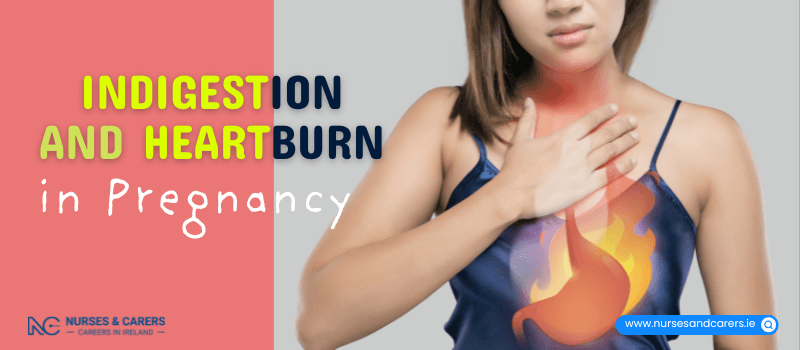
Indigestion (dyspepsia) and heartburn (acid reflux) are exceptionally common during pregnancy, affecting roughly 8 in 10 pregnant individuals. While these symptoms can cause significant discomfort, particularly during the third trimester (the final three months), they are completely harmless to both you and your developing baby.
Recognizing the Symptoms
Pregnancy-related indigestion and heartburn typically present after eating or drinking. Symptoms include:
A painful, burning sensation in the chest or throat (heartburn)
Stomach acid or bitter-tasting fluids rising into the mouth
Feeling uncomfortably full, heavy, or bloated
Frequent burping or flatulence
Nausea and vomiting
General abdominal pain or discomfort
Why Heartburn Occurs During Pregnancy
Heartburn happens when harsh stomach acid escapes upward into the esophagus (the food pipe). During pregnancy, this is driven by two main physical changes:
Hormonal fluctuations: Pregnancy hormones naturally relax the muscular valve at the top of the stomach, allowing acid to leak upward more easily.
Physical pressure: As your baby grows, the expanding uterus presses directly against your stomach, mechanically forcing acid up into the esophagus.
Common Dietary Triggers
Certain foods and beverages can actively aggravate or trigger these symptoms:
High-fat, rich, or fried foods
Highly spiced meals
Chocolate
Citrus fruits and citrus juices
Caffeinated drinks like coffee, tea, and cola
Carbonated fizzy drinks
Alcohol (which should be entirely avoided during pregnancy for safety)
Dietary and Lifestyle Adjustments
Making small adjustments to your daily routine can significantly reduce the frequency and severity of your symptoms.
Dietary Modifications:
Eat small, frequent meals throughout the day rather than three large meals.
Avoid eating any food within 3 hours of going to bed.
Identify and eliminate your specific trigger foods.
Avoid drinking large amounts of liquids at the exact same time you are eating solid food.
Lifestyle Modifications:
Sit up completely straight while eating to let gravity help your digestion.
Avoid lying down immediately after a meal.
Do not sleep flat; use extra pillows to comfortably prop up your head and shoulders, preventing night-time acid reflux.
Do not smoke, as tobacco smoke relaxes the stomach valve further and poses severe risks to your baby's health.
Safe Use of Medications
If lifestyle changes do not offer enough relief, safe over-the-counter and prescription options are available. Always consult your GP, midwife, or pharmacist before taking any remedy to verify it is safe for pregnancy.
Antacids and Alginates: These are the most common treatments and are often combined into a single liquid or chewable tablet. Antacids work by neutralizing the acid currently in your stomach, while alginates form a protective barrier on top of the stomach contents to physically block acid from rising.
The Iron Supplement Rule: Never take antacids at the same time as iron supplements, or if you have low iron levels. Antacids block your body from properly absorbing iron. Space these medications several hours apart.
Next Steps: If standard antacids fail to control your symptoms, your GP can prescribe stronger, pregnancy-safe acid-reducing medications.
When to Seek Medical Attention
While indigestion is expected during pregnancy, some symptoms require medical evaluation to rule out other conditions. Contact your GP or maternity care team if you:
Are losing weight unexpectedly
Are vomiting persistently and cannot keep any food or fluids down
Experience difficulty or pain when swallowing
Find that your standard indigestion medications provide no relief
Vomit any blood
Experience signs of pre-eclampsia, such as sudden, severe swelling in your hands, feet, or face
Disclaimer
The information provided here is for educational and informational purposes only. It does not constitute medical advice, diagnosis, or treatment. Always consult a qualified healthcare professional or your GP for specific medical concerns, diagnoses, or health advice. Never disregard professional medical advice or delay seeking it because of information you have read here.