
Intrauterine System (IUS)
12 Sept 2026 · 2 min read
On this page6 sections
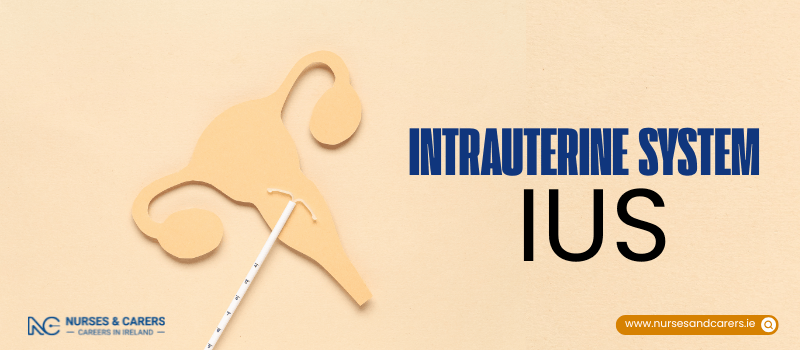
The intrauterine system (IUS), commonly referred to as the hormone coil, is a highly effective, long-acting reversible method of contraception. It is a small, T-shaped plastic device that is inserted directly into the womb (uterus) by a specially trained healthcare professional.
There are three primary types of IUS devices available in Ireland: Mirena, Kyleena, and Jaydess.
Contraceptive Effectiveness
Maximum Protection: Over 99% effective at preventing pregnancy, making it one of the most reliable forms of birth control available.
How It Works
The IUS continuously releases progestogen, a synthetic version of the natural hormone progesterone, directly into the uterus. It prevents pregnancy through two main mechanisms:
Blocks Sperm: It thickens the cervical mucus at the neck of the womb, creating a barrier that stops sperm from reaching and fertilizing an egg.
Thins the Uterine Lining: It thins the endometrium (lining of the womb), which prevents a fertilized egg from successfully implanting.
Key Advantages
Long-Term Coverage: Depending on the specific brand chosen, an IUS provides continuous protection for 3 to 8 years. However, it can be safely removed by a doctor at any time if you decide you want to become pregnant.
Perimenopausal Benefits: If the device is inserted after you reach the age of 45, it can often be safely left in place until you transition through the menopause.
Improved Menstrual Cycle: The localized hormone release typically causes periods to become significantly lighter, shorter, and much less painful. For some individuals, periods may stop entirely.
Non-Disruptive: Once in place, it does not interfere with or interrupt sexual spontaneity.
Key Disadvantages
Initial Cycle Changes: It is very common to experience unpredictable, irregular bleeding or light spotting during the first 6 months after insertion while your body adjusts.
No STI Protection: The IUS is strictly a contraceptive device. It offers no protection against sexually transmitted infections (STIs). To prevent STIs, a barrier method such as a condom should always be used.
Clinical Insertion/Removal: The device cannot be managed at home; it requires an appointment with a certified doctor or family planning clinic for both insertion and removal.
Every individual’s medical profile is unique. It is important to consult a doctor who can perform a personal health assessment to help determine which IUS model or alternative contraceptive option is best for your body.
Disclaimer
The information provided here is for educational and informational purposes only. It does not constitute medical advice, diagnosis, or treatment. Always consult a qualified healthcare professional or your GP for specific medical concerns, diagnoses, or health advice. Never disregard professional medical advice or delay seeking it because of information you have read here.