
Iron Deficiency Anaemia
12 Sept 2026 · 5 min read
On this page8 sections
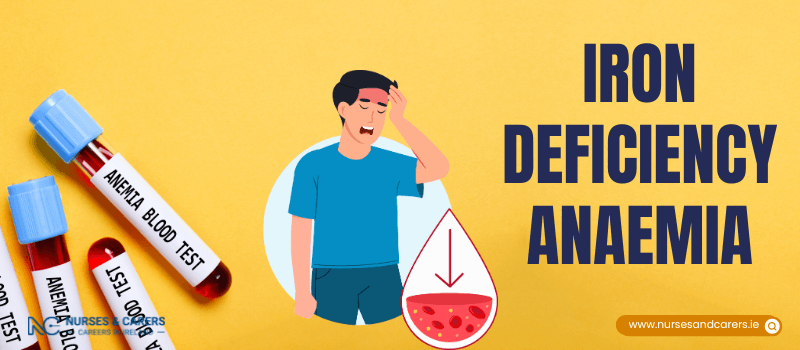
Iron deficiency anaemia occurs when the body lacks sufficient iron to produce adequate amounts of haemoglobin, the iron-rich protein in red blood cells that transports oxygen throughout the tissues. It is the most common form of anaemia and is frequently driven by blood loss, dietary gaps, or the increased physical demands of pregnancy.
Recognizing the Symptoms
The reduction of oxygen transport in the blood triggers several common clinical signs:
Chronic fatigue, exhaustion, and a distinct lack of physical energy
Shortness of breath, even during minimal physical exertion
Noticeable, fluttering, or pounding heartbeats (heart palpitations)
Unusually pale skin tone
Less Common Symptoms:
Outside of pregnancy, an iron deficiency can cause systemic and unusual symptoms, including:
Frequent headaches or a ringing, buzzing, or hissing sound in the ears (tinnitus)
A sore, inflamed tongue or painful open ulcers in the corners of the mouth
Inexplicable hair loss noticed during washing or brushing
Involuntary cravings to eat non-food items like ice, dirt, or paper (a condition known as pica)
Difficulty swallowing comfortably (dysphagia)
Brittle, abnormally shaped, or spoon-shaped fingernails
Restless legs syndrome, causing an irresistible urge to move the legs at night
Changes in your sense of taste or feeling itchy without a rash
Diagnostic Blood Tests
If you present with symptoms of anaemia, see a GP for a definitive diagnosis.
Full Blood Count (FBC): The primary diagnostic tool used to measure your overall haemoglobin levels and evaluate red blood cell size and count. No special fasting or preparation is required for this blood test.
Differential Diagnosis: The blood panel will also screen for other distinct types of anaemia, such as vitamin B12 or folate deficiencies, to ensure you receive the correct treatment.
Investigative Testing: If the root cause of your iron loss is unclear, your doctor will review your medical history and lifestyle, and may order further diagnostic tests or refer you to a specialist to investigate potential internal sources of blood loss.
Common Root Causes
Iron stores are depleted whenever blood loss exceeds dietary iron intake:
Menstruation and Pregnancy: Heavy menstrual periods are a leading cause of anaemia in women. During pregnancy, anaemia is commonly driven by a lack of dietary iron to support the growing fetus and expanded blood volume.
Gastrointestinal Bleeding: In men, and in women who have undergone menopause, iron deficiency anaemia can be a key clinical indicator of bleeding inside the stomach or intestines.
Medications and Digestive Issues: Long-term use of non-steroidal anti-inflammatory drugs (NSAIDs) like ibuprofen or aspirin can irritate the stomach lining. Other causes include stomach ulcers, piles (hemorrhoids), inflammation of the large intestine (colitis) or esophagus, and, less commonly, bowel or stomach cancers.
Medical and Dietary Treatments
Once diagnosed, your GP will prescribe a targeted plan to replenish your iron reserves and address the underlying cause:
Prescription Iron Tablets: You will be prescribed high-strength iron supplements, which are significantly more potent than over-the-counter vitamins. These must generally be taken for about 6 months to fully rebuild your internal iron stores.
Enhancing Absorption: Drinking a glass of orange juice or consuming vitamin C alongside your supplement helps your body absorb the iron more efficiently.
Managing Side Effects: Iron supplements can cause gastrointestinal side effects, including constipation, diarrhoea, abdominal pain, heartburn, nausea, and harmlessly dark or black stools. Taking your tablet with or immediately after a meal can reduce these side effects. Do not stop taking your medication without consulting your doctor.
Monitoring Progress: Your GP will schedule regular, repeat blood tests over the coming months to verify that your red blood cell count and iron levels are returning to a healthy baseline.
Critical Child Safety Warning: Keep all iron supplements securely locked away and completely out of reach of children. An accidental iron overdose can be fatal to a young child.
Dietary Adjustments
If a lack of iron in your diet is contributing to your anaemia, increasing your intake of iron-dense foods will support your recovery:
Rich Iron Sources: Actively incorporate lean meats, pulses (beans, lentils, peas), iron-fortified cereals, and dark-green, leafy vegetables into your daily meals.
Foods to Limit: Avoid consuming large amounts of tea, coffee, and dairy products, as the compounds in these drinks inhibit iron absorption. High levels of phytic acid, found in whole grain cereals, can also block your body from absorbing iron effectively.
Specialist Care: If you have restrictive dietary needs, your GP can refer you to a registered dietitian to help build a balanced, iron-rich meal plan.
Risks of Leaving Anaemia Untreated
Ignoring chronic iron deficiency anaemia can lead to long-term health complications:
Immune Suppression: A lack of cellular iron compromises your immune system, making you significantly more vulnerable to frequent illnesses and viral infections.
Cardiovascular Strain: To compensate for low oxygen levels, your heart must pump harder, increasing your risk of developing heart or lung complications, including heart failure.
Pregnancy Risks: Untreated anaemia increases the statistical risk of severe medical complications for both the parent and the baby before, during, and after childbirth.
Disclaimer
The information provided here is for educational and informational purposes only. It does not constitute medical advice, diagnosis, or treatment. Always consult a qualified healthcare professional or your GP for specific medical concerns, diagnoses, or health advice. Never disregard professional medical advice or delay seeking it because of information you have read here.