
Meningitis and Septicaemia
14 Sept 2026 · 2 min read
On this page7 sections
Overview, Risks, and Prevention
Meningitis is a severe, time-critical infection that causes inflammation of the meninges—the protective membranes covering the brain and spinal cord. Anyone can contract meningitis, and it can rapidly cause permanent neurological damage or death if not treated immediately.
The condition is most frequently triggered by a viral or bacterial infection:
Viral Meningitis: Generally less severe, though it still requires comprehensive medical evaluation.
Bacterial Meningitis: A highly destructive medical emergency. The pathogenetic bacteria that cause it can also invade the bloodstream, causing septicaemia (blood poisoning).
Both bacterial meningitis and septicaemia are life-threatening conditions that progress with extreme rapidity.
High-Risk Demographics
While the infection can strike any individual at any age, epidemiological data shows it is most prevalent among:
Infants, toddlers, and young children
Teenagers and young adults
Elderly populations
Immunocompromised individuals (such as those living with HIV or undergoing chemotherapy and radiotherapy)
Critical Emergency Protocol
Rapid medical intervention is the single most critical factor in surviving the infection and preventing long-term disabilities like limb loss, hearing impairment, or brain injury.
🚨 EMERGENCY ACTION REQUIRED
Call 112 or 999 (or your local emergency services) for an ambulance immediately, or transport the patient directly to the nearest hospital Emergency Department (ED) if you suspect meningitis or septicaemia.
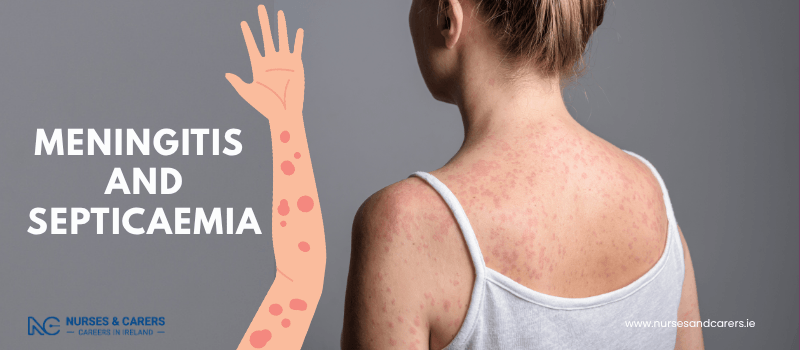
Trust your parental or caregiver instincts. Do not wait for a classic rash to appear before seeking emergency care.
Urgent Consultations
If you are unsure whether an individual is seriously ill but they are showing signs of deteriorating health, contact your General Practitioner (GP) or local GP Out-of-Hours Service immediately.
If a GP is unavailable, cannot see you instantly, or if you cannot establish contact, bypass primary care and go straight to the nearest hospital emergency room.
Regional Placement Note (Ireland): In the Dublin metropolitan area, certain Emergency Departments are designated exclusively for adults, while others cater solely to children. Outside of Dublin, children can be evaluated at any general hospital ED.
Prevention and Immunization Strategy
Because meningitis can be caused by several distinct viral and bacterial strains, no single vaccine protects against all forms. Instead, multiple targeted immunizations are administered to provide robust defense.
Key bacterial strains prevented by modern vaccines include meningococcal bacteria (such as strains A, B, C, W, and Y), pneumococcal bacteria, and Haemophilus influenzae type b (Hib).
Childhood Schedules: The majority of these life-saving vaccines are delivered systematically during standard childhood immunization schedules.
Adult Audits: Adults, particularly those who are immunocompromised or traveling to high-risk areas, should contact their GP to audit their vaccination records and ensure all boosters are fully up to date.
Disclaimer
The information provided here is for educational and informational purposes only. It does not constitute medical advice, diagnosis, or treatment. Always consult a qualified healthcare professional or your GP for specific medical concerns, diagnoses, or health advice. Never disregard professional medical advice or delay seeking it because of information you have read here.