
Mouth Ulcers
14 Sept 2026 · 5 min read
On this page15 sections
Mouth ulcers are common, painful sores that develop inside the mouth. They are rarely a sign of a serious underlying condition and typically clear up on their own within 1 to 2 weeks.
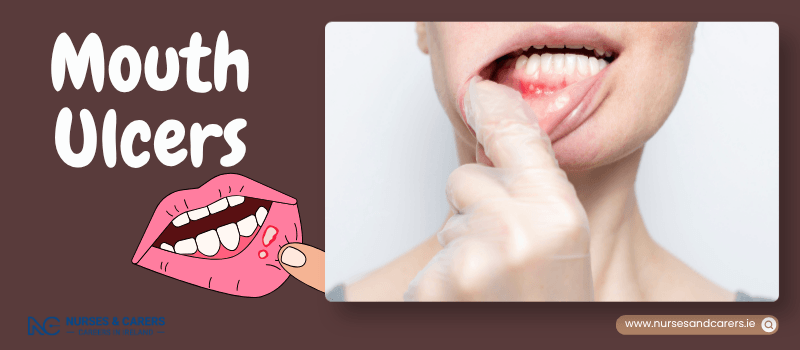
Appearance: They are usually small, creamy-white or yellow craters with a red border. They can appear individually or in clusters.
Locations: Inside of the cheeks, lips, gums, and tongue.
Canker Sores: The most common type of non-traumatic mouth ulcer is known medically as an aphthous ulcer.
Contagion: Mouth ulcers themselves are not contagious and cannot be passed to another person. However, they can sometimes be a symptom of an underlying contagious illness.
Mouth Ulcers vs. Cold Sores
It is important to distinguish mouth ulcers from cold sores. Cold sores are highly contagious viral blisters that develop on the outside of the lips or around the mouth. They do not grow inside the mouth and usually begin with a distinct tingling, itching, or burning sensation.
Identifying the Cause
Mouth ulcers can be triggered by direct physical trauma or systemic bodily changes:
Direct Injuries (Traumatic Ulcers)
Accidentally biting the inside of your cheek or tongue.
Friction from a sharp tooth, rough fillings, braces, or badly fitting dentures.
Cuts or thermal burns from eating sharp, hard foods or drinking scalding liquids.
Irritation from vigorous toothbrushing or harsh toothpastes.
Systemic and Lifestyle Triggers
High stress, anxiety, or physical exhaustion.
Hormonal fluctuations (such as during pregnancy).
Genetic predisposition (mouth ulcers frequently run in families).
Nutrient deficiencies, specifically a lack of vitamin B12 or iron.
Certain medications, including some beta-blockers and anti-inflammatory drugs.
Underlying Chronic Conditions: Inflammatory bowel disease (IBD), coeliac disease, or Behçet's disease.
When the Ulcer Indicates Another Infection
If you or your child develop multiple mouth ulcers simultaneously, it may be a symptom of a broader medical condition:
Hand, Foot, and Mouth Disease: A contagious viral illness that causes mouth sores alongside a distinct rash on the hands and feet.
Oral Thrush: A fungal infection causing white patches or blisters inside the mouth that do not easily wipe away.
Oral Lichen Planus: A chronic inflammatory condition that creates a white, lacy pattern on the inside of the cheeks.
Self-Care and Pain Management
Mouth ulcers require time to heal naturally. While there is no instant cure, altering your habits can reduce pain, protect the tissue, and speed up recovery.
What to Do
Use a soft-bristled toothbrush to clean your teeth gently.
Consume cool or room-temperature liquids through a straw to bypass the sore area.
Eat soft, easy-to-chew foods (e.g., yogurt, mashed vegetables, soups).
Maintain regular dental check-ups to fix sharp teeth or rough fillings.
Eat a diverse, nutrient-rich diet to prevent vitamin deficiencies.
What to Avoid
Do not eat highly spicy, salty, or acidic foods (like citrus fruits).
Do not consume rough, crunchy, or hard foods like toast, crisps, or flakes.
Do not drink very hot liquids or acidic beverages like fruit juice.
Do not chew gum.
Do not use toothpaste that contains Sodium Lauryl Sulphate (SLS), a foaming agent that can irritate open sores.
Pharmacy Remedies
A pharmacist can recommend over-the-counter treatments to minimize pain, protect the raw tissue, or prevent secondary infections:
Antimicrobial mouthwashes to keep the area clean.
Topical pain-relieving gels, sprays, or rinses applied directly to the ulcer.
Systemic pain relief like paracetamol or ibuprofen.
⚠️ Warning: Never give aspirin to children or adolescents under the age of 16 due to the risk of Reye's syndrome.
Caring for Babies and Children
Mouth ulcers can be exceptionally painful for young children and may cause them to refuse food and fluids, putting them at risk for dehydration.
Hydration: Ensure they drink plenty of water or milk. Offer cold liquids through a straw if drinking from a cup hurts. If breastfeeding, offer frequent nursing sessions.
Bottle Feeding: Check that the bottle teat is the correct size and texture to ensure it isn't rubbing against or bruising the inside of the baby's mouth.
Diet: Serve cool, soft, non-acidic foods. Completely avoid fruit juices, which will cause a sharp stinging sensation.
Medication: Administer weight-appropriate liquid children's paracetamol or ibuprofen exactly as directed on the packaging to manage their pain.
When to Consult a GP or Dentist
ℹ️ Non-Urgent Medical Advice
Schedule an appointment with your GP or dentist if the mouth ulcers:
Are intensely red, swollen, or discharging pus (signs of a bacterial infection).
Present as white patches that cannot be wiped away (suspected oral thrush).
Keep returning frequently.
Do not heal completely within 3 weeks. (A long-lasting, unhealed ulcer must always be professionally checked to rule out serious conditions).
🚨 Urgent Medical Advice
Contact your GP or seek immediate emergency care if your child has mouth ulcers and displays any symptoms of dehydration, such as having no wet nappies for hours, crying without tears, extreme lethargy, or a dry mouth.
Clinical Interventions: For severe, infected, or chronic ulcers, a doctor can prescribe high-strength prescription treatments or order comprehensive blood tests to check for underlying conditions like coeliac disease or vitamin deficiencies.
Disclaimer
The information provided here is for educational and informational purposes only. It does not constitute medical advice, diagnosis, or treatment. Always consult a qualified healthcare professional or your GP for specific medical concerns, diagnoses, or health advice. Never disregard professional medical advice or delay seeking it because of information you have read here.