
Mumps
14 Sept 2026 · 14 min read
On this page2 sections
Mumps is a highly contagious viral infection that primarily affects children aged 4 to 16, as well as young adults. The virus targets the salivary systems and spreads similarly to the common cold or flu.
If you have previously contracted mumps, it is highly unlikely you will catch it again, as your body builds natural immunity. While vaccination is the most effective defense, it is still possible to contract the virus if you have been vaccinated; however, the resulting symptoms and complications will be significantly milder.
Symptoms of Mumps
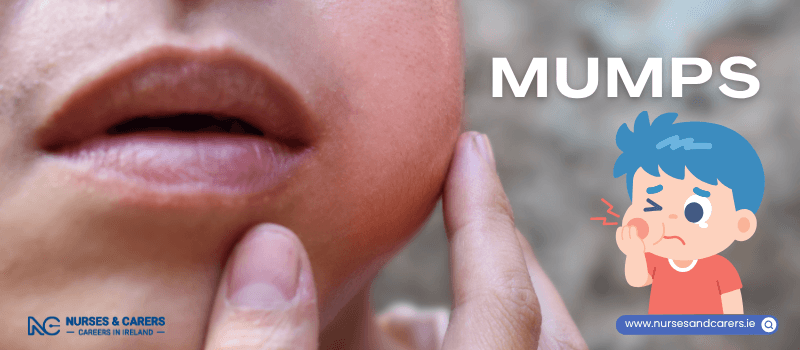
The most defining symptom of mumps is the painful swelling of the parotid glands. These are the salivary glands located on the sides of the face, right beneath the ears.
Key signs include:
Severe swelling on one or both sides of the face, giving the cheeks and jaw a puffy appearance.
Tenderness and pain when chewing or swallowing.
General flu-like symptoms, including fever, headache, and fatigue, which often precede the facial swelling.
ℹ️ Non-Urgent Medical Advice
Contact your GP if you suspect you or your child is exhibiting symptoms of mumps. Crucial Protocol: Phone the GP clinic before visiting in person. This allows the medical staff to take specific steps to isolate the patient upon arrival and prevent the virus from spreading to others in the waiting room.
How the Virus Spreads
Mumps is an airborne and surface-borne virus that transmits through infected droplets of saliva. You can contract it by:
Inhaling droplets expelled when an infected person coughs or sneezes.
Touching a contaminated surface and then transferring the virus to your own mouth or nose.
Infectious Window
An individual with mumps is typically contagious from 2 days before the facial swelling begins until 5 days after the swelling first appears. It is vital to stay home from school, work, or childcare during this entire window to prevent community transmission.
Treatment and Recovery
There is no definitive cure or antiviral treatment for mumps. The human immune system must fight off the virus naturally, and the infection usually resolves on its own within 1 to 2 weeks.
Disclaimer: This information is for general knowledge and should not be taken as medical advice. Consult with a healthcare provider before starting any treatment or managing symptoms.
Management focuses entirely on relieving discomfort:
Use appropriate over-the-counter pain relievers or fever reducers recommended by a healthcare professional to manage pain and lower fever (avoid aspirin in children and adolescents).
Drink plenty of fluids to stay hydrated, but avoid acidic drinks like fruit juice, which can irritate the sore salivary glands.
Eat soft foods that require minimal chewing, such as soups, yogurt, or mashed potatoes.
Apply warm or cool compresses to the swollen jawline to soothe physical discomfort.
Potential Complications
Mumps usually passes without causing long-term damage, and severe complications are rare. However, the virus can occasionally trigger secondary issues, particularly in young adults:
Viral Meningitis: An inflammation of the protective membranes covering the brain and spinal cord.
Orchitis: Painful swelling of the testicles in males who have gone through puberty. In rare cases, this can impact fertility.
Oophoritis: Inflammation of the ovaries in females past puberty.
Hearing Loss: Temporary or, in exceptionally rare cases, permanent hearing impairment.
Prevention: The MMR Vaccine
The absolute best way to protect against mumps is through the combined MMR (Measles, Mumps, and Rubella) vaccine, which is a core component of the childhood immunisation schedule.
Efficacy: Completing the full course of the MMR vaccine provides substantial effectiveness against mumps.
Target Demographics: Most modern cases of mumps occur in individuals who missed out on the vaccine. Because the MMR vaccine was introduced to the routine national schedule in 1988, older individuals or children who skipped their scheduled rounds remain highly vulnerable.
Catch-Up Vaccinations: If you or your children missed one or both doses of the MMR vaccine during childhood, contact your GP to arrange a catch-up vaccination course.
Symptoms of Mumps
Mumps is a contagious viral illness that spreads from person to person. While the infection is usually not serious, it can sometimes cause no visible symptoms at all. The absolute best way to protect children against the virus is to ensure they receive the standard MMR (Measles, Mumps, and Rubella) vaccine.
The Primary Symptom: Facial Swelling
The single most defining sign of mumps is the painful swelling of the parotid glands. These are the salivary glands located on the side of the face, directly below the ears.
Appearance: The swelling pushes the jawline outward, giving the cheeks a puffy appearance.
Distribution: While the swelling typically affects both sides of the face, it can occasionally develop on only one side.
Discomfort: The swollen area is highly tender to the touch, and the swelling often causes physical pain and difficulty when swallowing.
Early Warning Signs
Several days before the facial salivary glands begin to swell, an infected individual will often experience early flu-like symptoms. These systemic signs include:
A high temperature or fever of 38°C (100.4°F) or higher.
Persistent headaches.
Joint pain and muscle aches.
Feeling generally sick or nauseous.
A dry mouth.
Mild abdominal pain.
General fatigue, weakness, and loss of appetite.
Systemic Involvement and Complications
The mumps virus primarily targets the salivary system, but it can travel through the body and cause inflammation in other organs. This includes the brain, pancreas, testicles, and ovaries.
Because the early symptoms of mumps mirror those of more severe medical conditions—such as glandular fever or acute tonsillitis—a professional clinical evaluation is essential to confirm the diagnosis.
Clinical Advice and Next Steps
Contact your GP immediately if you suspect that you or your child has contracted mumps.
Clinical Diagnosis: A doctor can usually confirm a mumps diagnosis simply by evaluating the physical presentation, feeling the facial swelling, checking the throat and tonsils, and measuring body temperature.
🚨 Crucial Safety Protocol: Always telephone the GP surgery or clinic before you visit in person. Informing the receptionist that you suspect mumps allows the clinic to implement immediate infection control protocols, preventing the virus from spreading to vulnerable patients in the waiting area.
Causes of Mumps
Mumps is caused by the mumps virus, a highly contagious pathogen.
When the virus enters the body, it initially infects the respiratory tract, moving through the nose, mouth, and throat. From there, it travels into the parotid glands—the salivary glands located on the sides of the face below the ears. The virus then replicates rapidly within these glands, triggering an inflammatory immune response that causes them to swell.
How the Mumps Virus Spreads
The virus transmits from person to person in the same manner as the common cold or flu. It spreads through two primary mechanisms:
Airborne Droplets: When an infected individual coughs or sneezes, they release minute droplets of contaminated saliva into the air. People nearby can easily inhale these droplets, introducing the virus into their own respiratory tracts.
Surface Contamination: An infected person can transfer the virus from their nose or mouth onto their hands, and subsequently onto everyday surfaces (such as doorknobs, desks, or utensils). If another person touches these objects and then touches their own face, mouth, or nose, the virus can enter their system.
The Infectious Window
Understanding when the virus can be passed to others is critical for infection control:
Peak Contagion: An individual is most infectious from a few days before the facial parotid glands begin to swell until a few days afterwards.
Asymptomatic Transmission: It is possible to be infected with the mumps virus and exhibit no obvious physical symptoms. Even if you feel perfectly healthy, you can still silently transmit the virus to others.
Public Health Guidance: Staying at Home
To break the chain of transmission and protect vulnerable members of the community, anyone diagnosed with or suspected of having mumps must strictly avoid work, school, university, or childcare for 5 days following the initial onset of symptoms.
Treatment for Mumps
There is no cure or specific antiviral treatment for mumps. The human immune system must fight off the virus naturally. The infection typically runs its course and passes within 1 to 2 weeks.
Management focuses entirely on self-care strategies to relieve discomfort, lower fever, and manage pain.
Practical Ways to Relieve Symptoms
What to Do
Prioritise bed rest: Ensure you get plenty of rest to help your body recover.
Manage pain and fever: Take paracetamol or ibuprofen to alleviate facial pain and reduce a high temperature.
⚠️ Warning: Do not give aspirin to children or adolescents aged 16 or younger due to the risk of Reye's syndrome.
Maintain continuous hydration: Drink plenty of fluids like water or milk. Strictly avoid acidic drinks, such as commercial fruit juice, because acid stimulates the salivary glands and intensifies facial pain.
Apply compresses: Hold a warm or cool face cloth or towel against the swollen parotid glands to soothe localized jaw pain.
Choose a soft diet: Eat soft, easy-to-swallow foods that require little to no chewing. Excellent options include mashed potatoes, scrambled eggs, yogurt, soups, and ice cream.
When to Contact Your GP
Consult your GP for non-urgent medical advice if you or your child's mumps symptoms:
Do not show any signs of improvement after 7 days.
Suddenly or severely get worse at any point during recovery.
Complications of Mumps
While mumps can sometimes cause secondary complications, they are rarely serious and usually resolve naturally as the primary viral infection clears.
These complications are significantly more common in individuals who have not received the MMR (Measles, Mumps, and Rubella) vaccine. Vaccinated individuals who happen to contract mumps typically experience much milder symptoms and far fewer health complications.
Systemic Complications
1. Swollen Testicles (Orchitis)
Approximately 1 in 3 unvaccinated males who contract mumps after reaching puberty will develop swelling in a testicle.
Presentation: The swelling usually appears suddenly, feels warm and highly tender, and typically affects only one testicle. It generally develops 4 to 8 days after the facial glands swell, though it can take up to 6 weeks to manifest.
Management: Wear supportive underwear, take paracetamol or ibuprofen, and apply a warm or cool face cloth to the area to soothe discomfort.
Long-Term Effects: After the swelling subsides, some individuals notice a physical shrinkage of the affected testicle. In a small number of cases, this can lead to reduced fertility.
Advice: Contact your GP if the pain becomes severe, as they can prescribe stronger pain relief.
2. Swollen Ovaries (Oophoritis)
About 1 in 14 unvaccinated females who get mumps after puberty will experience inflammation of the ovaries.
Symptoms: Lower abdominal pain, a fever of 38°C (100.4°F) or higher, and vomiting.
Duration: These symptoms typically fade completely once the underlying mumps infection has run its course.
3. Acute Pancreatitis
Roughly 1 in 25 unvaccinated individuals develop a short-term, mild inflammation of the pancreas.
Primary Symptom: A sudden, sharp pain localized in the center of the abdomen.
Other Symptoms: Nausea, vomiting, diarrhoea, loss of appetite, a high temperature, abdominal tenderness, and occasionally jaundice (yellowing of the skin and eyes).
Care: While usually mild, you may be admitted to the hospital for supportive care and monitoring until the pancreas fully recovers.
4. Viral Meningitis
Fewer than 1 in 10 unvaccinated individuals develop viral meningitis, which occurs when the virus spreads into the membranes protecting the brain and spinal cord.
Symptoms: Neck stiffness, headaches, and a mild sensitivity to bright lights.
Outlook: The long-term risk of serious complications from mumps-related viral meningitis is low, and symptoms typically clear up entirely within 14 days.
Rare and Serious Complications
In very exceptional cases, the mumps virus can lead to critical health issues:
Encephalitis: A dangerous infection causing direct inflammation of the brain tissue. This condition can be fatal and requires immediate, life-saving treatment inside a hospital intensive care unit (ICU).
Hearing Loss: Temporary hearing impairment can occur during the illness. Permanent hearing loss is incredibly rare, affecting approximately 1 in 20,000 cases.
Pregnancy and Mumps
Miscarriage Risk: While historical data linked mumps to an elevated risk of miscarriage, current medical evidence shows very little link between the two.
Safety Precautions: If you are pregnant, avoid close physical contact with anyone who has or is suspected of having mumps.
Vaccine Protocol: Do not receive the live MMR vaccine while pregnant. If you receive the vaccine while planning a family, you must avoid becoming pregnant for at least 1 month following the injection. Contact your obstetrician or midwife if you have any pregnancy-related concerns.
Emergency Medical Action Required
Call 999 or 112, or go directly to the nearest hospital emergency department immediately if you or someone else experiences severe, rapid worsening of any symptoms—particularly extreme drowsiness, severe neck stiffness, continuous vomiting, or an inability to tolerate lights.
Mumps Prevention
The most effective method to prevent mumps is through the combined MMR (Measles, Mumps, and Rubella) vaccine. Because mumps is a highly infectious illness that spreads easily through saliva droplets, ensuring comprehensive vaccination is critical to protecting both individuals and the wider community from severe illness.
The Childhood Immunisation Schedule
The MMR vaccine is a core component of the national childhood immunisation programme and is administered in a two-dose schedule:
First Dose: Given by your GP when the child reaches 1 year of age.
Second Dose: Administered when the child is 4 to 5 years old. This dose is typically delivered directly at school by community immunisation teams, though in certain geographical areas, it is administered by a GP.
Completing the full two-dose vaccination course provides approximately 88% effectiveness against contracting the mumps virus.
Catch-Up Vaccinations for Adults and Students
The MMR vaccine can be safely administered to anyone from the age of 1 onward. If you missed one or both doses during childhood, you should arrange to get vaccinated as soon as possible.
Uncertain Records: If you are unsure whether you or your children received both doses, it is entirely safe to receive the vaccine again. An additional dose will not cause any physical harm.
College Students: Young adults entering college or university are at a higher risk due to close living and social conditions. Students can arrange a catch-up vaccination free of charge through their GP or university student health service.
High-Priority Groups: Proactive vaccination is also highly recommended for healthcare workers and migrants to prevent workplace and institutional outbreaks.
Infection Control: Stopping the Spread
If you are diagnosed with or suspect you have mumps, you are generally contagious from 2 days before your facial swelling begins until 5 days after it appears.
To prevent the virus from spreading to others during this highly infectious window, adopt the following health measures:
What to Do
Isolate at home: Stay home and avoid work, school, university, or public childcare settings for a full 5 days after your symptoms first appear.
Practice strict hand hygiene: Wash your hands thoroughly and regularly with soap and water or use an alcohol-based hand gel.
Cover coughs and sneezes: Always use a clean tissue to fully cover your mouth and nose whenever you cough or sneeze.
Dispose of waste properly: Discard used tissues into a waste bin immediately after use to avoid contaminating household surfaces.
Disclaimer
The information provided here is for educational and informational purposes only. It does not constitute medical advice, diagnosis, or treatment. Always consult a qualified healthcare professional or your GP for specific medical concerns, diagnoses, or health advice. Never disregard professional medical advice or delay seeking it because of information you have read here.