
Measles
14 Sept 2026 · 6 min read
On this page18 sections
Symptoms, Prevention, and Treatment
Measles is a highly contagious viral infection that spreads rapidly through respiratory droplets when an infected person coughs or sneezes. The most effective way to prevent infection is by receiving the Measles, Mumps, and Rubella (MMR) vaccine.
Symptoms and Progression
Measles symptoms develop in stages, typically beginning around 10 days after initial exposure.
Phase 1: Early Symptoms (Days 1–3)
Respiratory Issues: Cold-like symptoms including a runny nose, sneezing, a persistent cough, and general body aches.
Ocular Symptoms: Red, watery, sore eyes that are highly sensitive to light (photophobia).
Fever: A high body temperature of 38°C (100.4°F) or above.
Koplik Spots: Small, greyish-white spots that appear on the inside of the cheeks. While not everyone develops these spots, their presence alongside a fever strongly indicates measles.
Systemic Signs: Severe fatigue, irritability, and a total loss of appetite.
Phase 2: The Measles Rash (Days 4–7)
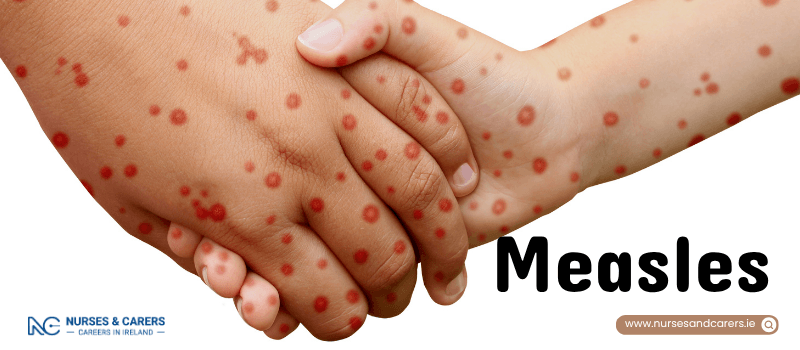
The characteristic rash erupts 2 to 4 days after the first symptoms appear and lasts for about a week.
Spread: It typically begins on the head or neck before spreading outward to cover the trunk and limbs.
Appearance: The rash consists of flat or slightly raised spots that frequently merge into large, blotchy patches. It appears red or brown on white skin, but may be more difficult to visually identify on brown or black skin.
Sensation: The spots can be mildly itchy. Individuals generally feel most ill during the first two days of the rash.
Clinical Assessment
Differential Diagnosis
If you have received two doses of the MMR vaccine or have had measles in the past, you have long-term immunity and are highly unlikely to contract the virus. The measles rash can closely resemble other common childhood conditions, such as:
Roseola
Rubella (German measles)
Slapped cheek syndrome (Fifth disease)
🚨 URGENT MEDICAL ADVICE
Contact your GP or maternity hospital urgently if you:
• Suspect you or your child has measles.
• Are pregnant and think you have measles or were exposed to someone who does.
• Had close contact with an infected person and lack documented immunity (prior infection or two MMR doses).
CRITICAL: Always phone the clinic or hospital before arriving. Healthcare facilities must implement immediate isolation protocols to prevent the virus from spreading to vulnerable patients.
Home Care and Symptom Management
Measles typically resolves on its own within 7 to 10 days. Severe cases may require hospitalization. For home recovery, utilize the following supportive therapies:
Fever and Pain Relief: Administer paracetamol or ibuprofen to manage fever and body aches. Warning: Never give aspirin to children or teenagers under 16 years old due to the risk of Reye's syndrome.
Hydration: Consume plentiful fluids to prevent dehydration caused by the fever.
Comfort Measures: Dim the lights or close the curtains to alleviate eye discomfort caused by light sensitivity.
Eye Hygiene: Use a clean piece of damp cotton wool to gently wipe away crusting or discharge from under the eyes.
Emergency Intervention
In some individuals, measles can weaken the immune system, paving the way for severe primary viral complications or secondary bacterial infections.
🚨 EMERGENCY ACTION REQUIRED
Call 112 or 999 (or your local emergency number) or go directly to the nearest Emergency Department if a measles patient develops:
• Shortness of breath or rapid, labored breathing
• Sharp chest pain that worsens when inhaling
• Coughing up blood
• Severe drowsiness, lethargy, or difficulty waking up
• Confusion or altered mental status
• Seizures (convulsions)
Advise the emergency operator or triage nurse immediately that the patient has measles so appropriate isolation measures can be taken upon arrival.
Transmission Control and Quarantine
To halt the chain of transmission, strictly adhere to these isolation protocols:
Isolation Timeline: Do not return to work, school, or childcare until at least 4 full days have passed since the measles rash first appeared.
Vulnerable Groups: Avoid all physical contact with young infants, pregnant individuals, and anyone with a compromised immune system.
Community Notification: Inform your child's school or daycare facility immediately if they are diagnosed. This allows health officers to alert other parents, as unimmunized classmates may require immediate vaccination.
Post-Exposure Prophylaxis (PEP)
If you are exposed to an active case of measles and lack immunity, contact your GP immediately. Depending on your health status, two protective treatments are available to reduce the severity of the disease:
MMR Vaccine: Can be administered as emergency prophylaxis if given within a specific window post-exposure.
Human Normal Immunoglobulin (HNIG): An injection of concentrated antibodies that provides immediate, temporary protection. HNIG is highly specialized and must be administered within 6 days of exposure. It is primarily reserved for:
Infants under 6 months old.
Pregnant individuals without documented immunity.
Severely immunocompromised individuals (e.g., those undergoing chemotherapy, radiotherapy, or living with advanced HIV).
Risks and Potential Complications
While many individuals recover without long-term issues, measles carries a high rate of complications.
Common Complications
Diarrhea and vomiting
Middle ear infections (otitis media)
Conjunctivitis (pink eye)
Laryngitis (inflammation of the voice box)
Respiratory tract infections, including pneumonia
Febrile seizures (convulsions triggered by a rapid spike in temperature)
Rare, Severe Complications
Hepatitis (liver inflammation)
Severe eye disorders resulting in vision loss
Meningitis or Encephalitis (life-threatening brain infections)
Cardiovascular and central nervous system disorders
High-Risk Demographics
The risk of experiencing severe, life-threatening complications is significantly higher for:
Infants under 1 year of age
Children suffering from severe malnutrition or a poor diet
Immunocompromised individuals (e.g., those with leukemia)
Teenagers and adults
Note: Children between the ages of 1 and 12 generally experience the lowest rate of severe complications.
Measles During Pregnancy
Contracting measles while pregnant carries extreme risks to the unborn child if the pregnant individual is not immune. The virus does not cause congenital malformations, but it can trigger:
Miscarriage or stillbirth
Spontaneous premature labor
Low birth weight
Disclaimer
The information provided here is for educational and informational purposes only. It does not constitute medical advice, diagnosis, or treatment. Always consult a qualified healthcare professional or your GP for specific medical concerns, diagnoses, or health advice. Never disregard professional medical advice or delay seeking it because of information you have read here.