
Norovirus
17 Sept 2026 · 3 min read
On this page6 sections
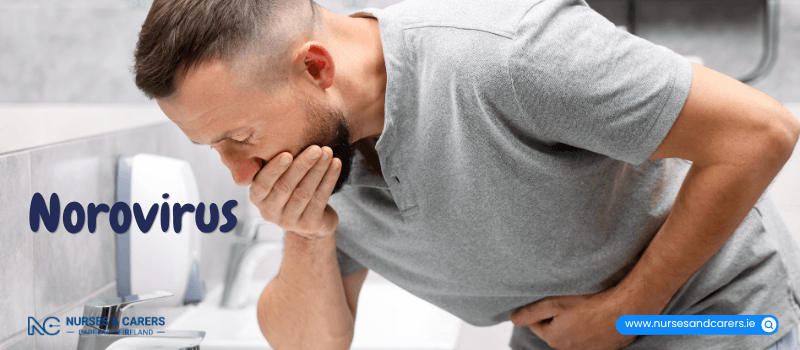
Norovirus, commonly known as the "winter vomiting bug," is a highly contagious virus that causes sudden diarrhoea and vomiting. While it can be very unpleasant, the illness usually clears up on its own within two to three days without specific medical treatment.
Key Symptoms
Symptoms typically develop 1 to 2 days after exposure and last for 2 to 3 days:
Sudden nausea and projectile vomiting.
Watery diarrhoea.
Painful stomach cramps.
Mild fever or chills.
Headaches and aching limbs.
Transmission Risks
Norovirus spreads exceptionally fast in public places like schools, hospitals, and nursing homes. You can contract it through:
Direct Contact: Inhaling tiny droplets of vomit or stool particles suspended in the air from an infected person.
Surface Contact: Touching contaminated surfaces or objects where the virus can survive for several days.
Contaminated Food: Eating food handled by an infected person who did not wash their hands properly.
Note: The virus constantly mutates, meaning you can catch norovirus multiple times throughout your life.
Prevention and Containment Checklist
Isolate: Stay home from work, school, or daycare until at least 48 hours after your last episode of vomiting or diarrhoea.
Wash Hands: Use soap and running water frequently. Alcohol hand gels do not kill norovirus.
Disinfect: Clean contaminated surfaces using a bleach-based household cleaner immediately.
Laundry: Wash contaminated clothing and bedding separately on a hot cycle.
Separate Linens: Do not share towels, face cloths, or utensils with anyone else in the household.
Food Safety: Avoid preparing food for others while sick, and wash raw produce thoroughly.
At-Home Treatment
There is no cure or specific antiviral medication for norovirus; antibiotics will not work because it is a viral infection.
Rest at home to prevent spreading the virus to general practice clinics.
Sip fluids constantly (such as water or oral rehydration solutions) to replace lost fluids.
Monitor closely if you manage chronic health conditions like diabetes, as dehydration can destabilise blood sugar levels quickly.
When to Seek Medical Help
Call your GP or out-of-hours medical service instead of visiting in person if:
Symptoms do not improve after a few days.
You or your child show signs of severe dehydration (e.g., dark urine, dizziness, extreme lethargy, or no wet nappies in babies).
There is blood in the stool or vomit.
The illness affects a vulnerable individual, such as an infant, an elderly person, or someone who is immunocompromised.
To optimize this guide for your needs, please let me know:
Is this rewrite for a school/childcare notice or a general public health website?
Do you want to include a specific section on signs of dehydration in babies?
Should we add information on oral rehydration sachets (ORS) and how to use them?
Disclaimer
The information provided here is for educational and informational purposes only. It does not constitute medical advice, diagnosis, or treatment. Always consult a qualified healthcare professional or your GP for specific medical concerns, diagnoses, or health advice. Never disregard professional medical advice or delay seeking it because of information you have read here.