
Perforated Eardrum
17 Sept 2026 · 4 min read
On this page15 sections
Overview
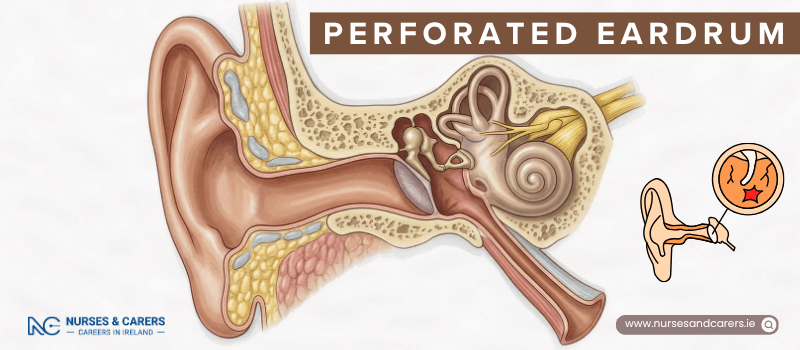
A perforated eardrum is a tear or hole in the thin membrane that separates your ear canal from your middle ear. It typically heals independently within 6 weeks, provided the ear is kept completely dry. While formal treatment is not always required, you should consult a GP to confirm the diagnosis and rule out middle ear infections.
Symptoms of a Burst Eardrum
The physical sensations associated with a perforation vary depending on the size of the tear and whether an infection is present. Common indicators include:
Sudden Hearing Loss: Hearing may become slightly muffled or significantly diminished.
Localized Pain: Acute earache or deep discomfort inside the ear.
Fluid Drainage: Clear, purulent, or blood-stained fluid leaking from the ear canal.
Otological Sensations: Intense itching inside the ear, or a ringing, buzzing, or hissing noise (tinnitus).
Systemic Signs: A high temperature or fever of 38°C (100.4°F) or above if an infection has developed.
Note: These symptoms generally resolve completely once the membrane closes or the underlying infection is treated.
Common Causes of Perforation
Middle Ear Infections (Otitis Media): Accumulated fluid and pus exert severe pressure against the eardrum, forcing it to rupture.
Physical Trauma: Direct injury from a forceful blow to the ear, or accidentally inserting objects like cotton buds too deeply into the canal.
Barotrauma (Pressure Shifts): Rapid changes in ambient air or water pressure, such as during aviation take-off and landing, or during scuba diving.
Acoustic Shock: Exposure to sudden, intense, and loud noises, such as a localized explosion or gunshot.
Home Care and Safe Management
Do
Apply Warm Compresses: Press a warm, clean cloth against the exterior of the ear to soothe localized pain.
Use Analgesics: Take over-the-counter painkillers like paracetamol or ibuprofen to manage discomfort.
⚠️ Medication Safety Warning: Never administer aspirin to children under the age of 16 due to the risk of Reye's syndrome.
Don't
Strictly Prohibit Water Entry: Do not go swimming, and take extra care when showering or washing your hair. Use a silicone earplug or a cotton ball coated in petroleum jelly to keep water out of your ear.
Avoid Internal Objects: Do not insert cotton buds, fingers, or objects into the ear canal. Avoid using over-the-counter eardrops unless explicitly prescribed by your doctor.
Avoid Forceful Nose Blowing: Do not blow your nose with excessive force, as the resulting air pressure travels up the eustachian tube and can disrupt the healing membrane.
Clinical Assessment and Treatments
Primary Care Evaluation
Your GP will examine the interior of your ear canal using an otoscope (a specialized handheld light with a magnifying lens). This procedure is entirely painless and allows the doctor to visually check the size of the hole and look for signs of a bacterial middle ear infection. If an infection is present, your GP will prescribe a targeted course of oral antibiotics or safety-certified antibiotic eardrops.
Specialist Referrals and Surgical Interventions
If the perforation is exceptionally large, fails to show clear signs of healing after several weeks, or significantly degrades your hearing, your GP will refer you to an Ear, Nose, and Throat (ENT) specialist. The consultant will discuss surgical options to close the defect:
Myringoplasty: A minor surgical procedure where a specialist applies a small patch or tissue graft over the hole to encourage the eardrum membrane to knit back together.
Prevention Checklists
Protecting Your Ears Daily
Do not use cotton buds, keys, or hairpins to clean your ears. Your ears are naturally self-cleaning, and inserting objects pushes wax deeper and risks direct eardrum puncture.
Wear certified, suitable ear protection (like industrial earplugs or noise-canceling earmuffs) if your work or hobbies expose you to explosive or loud noises.
Preventing Barotrauma While Flying
To help equalize pressure across your eardrum during aircraft take-off and landing:
Swallow or yawn frequently.
Chew gum or suck on a hard sweet.
Use the Valsalva maneuver (exhaling gently through your nose while pinching your nostrils shut and keeping your mouth closed).
When to Seek Medical Help
Schedule a Non-Urgent GP Appointment if:
You suspect your eardrum has recently burst or perforated.
Your earache, fever, or fluid drainage continues without improvement for more than 3 days.
Your symptoms fail to get any better after a few weeks of careful home management.
Disclaimer
The information provided here is for educational and informational purposes only. It does not constitute medical advice, diagnosis, or treatment. Always consult a qualified healthcare professional or your GP for specific medical concerns, diagnoses, or health advice. Never disregard professional medical advice or delay seeking it because of information you have read here.