
Periods
17 Sept 2026 · 4 min read
On this page13 sections
Overview
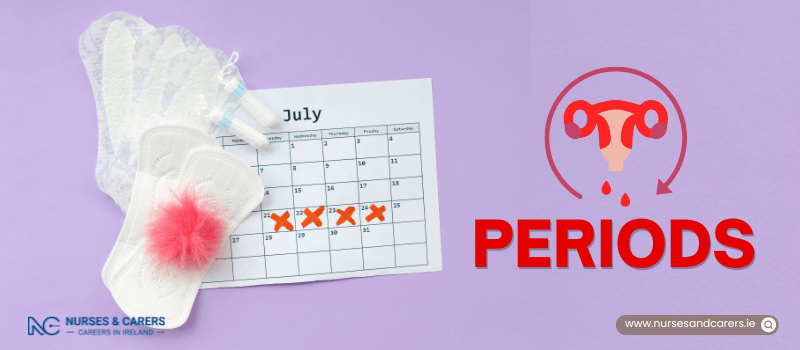
A period (menstruation) is the phase of the monthly menstrual cycle during which the body sheds the lining of the uterus, resulting in bleeding from the vagina for a few days. While the average cycle length is 28 days, it is highly common and normal for cycles to be shorter or longer, safely ranging anywhere from 21 to 35 days.
What to Expect During Menstruation
Menstruation is a highly individualized experience that varies naturally from person to person:
Duration: Bleeding typically lasts for about 5 days, but any duration between 2 and 7 days is considered clinically normal.
Flow Volume: The menstrual flow is routinely heaviest during the first 2 days of the period.
Color Variations: When the flow is at its heaviest, the blood is bright red. On lighter days or toward the end of the period, the discharge can safely present as pink, brown, or dark black.
Premenstrual Syndrome (PMS)
Fluctuations in your body's natural oestrogen and progesterone levels in the days leading up to menstruation can trigger a combination of physical and emotional shifts known as Premenstrual Syndrome (PMS) or Premenstrual Tension (PMT). These symptoms typically ease immediately when bleeding begins and vanish entirely a few days into your cycle.
Common Symptoms of PMS
Abdominal bloating and fluid retention.
Localized breast tenderness or swelling.
Heightened irritability, anxiety, or rapid mood swings.
Dermatological shifts, such as spotty skin (breakouts) or greasy hair.
A temporary decline in libido (sexual desire).
Note: A small percentage of individuals experience an incapacitating, severe form of PMS known as Premenstrual Dysphoric Disorder (PMDD). If premenstrual mood shifts severely disrupt your daily life or mental health, consult your GP.
Modern Menstrual Hygiene Products
Sanitary products are engineered to either absorb or collect menstrual blood safely. There are both disposable and eco-friendly, reusable options available:
1. Disposable Options
Sanitary Pads: Absorbent strips of padding featuring an adhesive backing that secures inside your underwear. They come in multiple thicknesses and lengths to accommodate heavy or light flow days. Panty liners are ultra-thin versions designed strictly for very light flow days or tracking spotting.
Tampons: Small cylinders of compressed absorbent cotton inserted directly into the vaginal canal to capture blood before it exits the body. They are available with smooth plastic or cardboard applicators, or without applicators (inserted using a clean finger). All tampons feature an attached string for removal.
Usage Note: When inserted fully and correctly, you should not feel the tampon at all. If it causes physical discomfort, it is likely positioned too shallowly. A tampon cannot become lost or stuck inside you; the muscular walls of the vagina hold it securely in place, and it simply expands as it absorbs fluid.
2. Reusable and Sustainable Options
Menstrual Cups: Flexible, bell-shaped cups constructed from medical-grade silicone or rubber inserted into the vagina. Instead of absorbing blood, the cup catches the fluid. It must be periodically removed, emptied, washed, and reinserted, making it completely reusable.
Period Underwear: Specialized undergarments constructed with built-in absorbent textile layers and a leak-proof barrier. They absorb fluid directly like a pad, can be washed in a standard laundry cycle, and are fully reusable.
Tracking Structural Changes in Your Cycle
While it is common for periods to fluctuate slightly in duration or volume over time, any sudden, drastic, or persistent change in your established cycle pattern requires a professional evaluation to rule out localized infections, benign growths (polyps), or cervical tissue abnormalities.
When to Seek Medical Help
Schedule a Non-Urgent GP Appointment if You Experience:
Unexplained bleeding between your regular periods (intermenstrual bleeding).
Any vaginal bleeding or spotting immediately after engaging in sexual intercourse (post-coital bleeding).
Any return of vaginal bleeding after you have completed menopause (post-menopausal bleeding). Note: While rare, post-menopausal bleeding can be an early indicator of uterine or cervical cancer and requires prompt clinical investigation.
You have missed three consecutive periods in a row, and you are completely certain you are not pregnant.
Missed Periods and Pregnancy
If you miss a scheduled period and have previously engaged in unprotected penetrative sex, you may be pregnant. You can easily verify this by taking a standard home urine pregnancy test or visiting your GP clinic for a laboratory confirmation test.
The Menopause Transition
Menstrual cycles continue throughout your reproductive years until you reach menopause—the biological point where your ovaries permanently cease releasing eggs and periods stop completely.
Average Age: In Ireland, the average age for an individual to hit menopause is 51, though the standard window spans from your late 40s to your mid-50s.
The Transition (Perimenopause): In the months or years leading up to your final period, your cycles will typically become highly irregular, spaced further apart, or notably lighter, though some individuals experience a sudden, abrupt cessation of bleeding.
Disclaimer
The information provided here is for educational and informational purposes only. It does not constitute medical advice, diagnosis, or treatment. Always consult a qualified healthcare professional or your GP for specific medical concerns, diagnoses, or health advice. Never disregard professional medical advice or delay seeking it because of information you have read here.