
Plantar Fasciitis
17 Sept 2026 · 4 min read
On this page13 sections
Overview
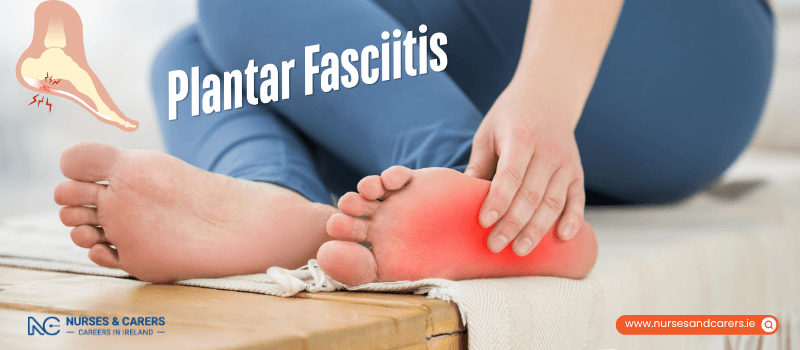
Plantar fasciitis is a common musculoskeletal condition characterized by localized pain around the heel and the medial arch of the foot. It occurs when the plantar fascia—the thick, fibrous band of connective tissue that spans the sole of the foot to connect the heel bone to the base of the toes—becomes strained, micro-torn, or inflamed.
Symptoms and Presentation
The discomfort associated with plantar fasciitis follows a highly distinct clinical pattern. You are likely dealing with this condition if you experience:
The "First-Step" Phenomenon: Sharp, severe pain concentrated at the bottom of the heel during your first steps in the morning after waking up, or after extended periods of sitting or resting.
Exercise Alleviation: The intense heel pain gradually dulls or improves as you continue walking or warming up during exercise, though it frequently intensifies again later in the day or after cooling down.
Mobility Restrictions: Noticeable difficulty or pain when attempting to pull your toes upward toward your shin (dorsiflexion), or when climbing stairs.
Common Causes and Structural Risk Factors
While the exact molecular trigger for the tissue strain is not always obvious, several mechanical and physiological variables place excess tension on the plantar fascia:
Sudden Activity Spikes: A recent, rapid increase in the volume of walking, running, or occupational standing.
Biomechanical Tightness: Exercising with chronically tight calf muscles (gastrocnemius) or a rigid Achilles tendon, which restricts ankle mobility and forces the foot arch to over-stretch.
Improper Footwear: Wearing worn-out shoes, completely flat footwear, or shoes that lack adequate shock absorption and anatomical arch support.
Surface Impacts: Transitioning to high-impact training, running, or working on unforgiving, hard surfaces like concrete or asphalt.
Excess Physical Loading: Carrying excess body weight (obesity), which applies continuous, heightened mechanical pressure onto the foot's supportive arch matrix with every step.
Home Care and Relief Strategies
Do
Prioritize Structural Rest: Rest your foot as much as possible and elevate it on a stool or cushion when seated to minimize tissue inflammation.
Apply Targeted Cryotherapy: Press an ice pack wrapped securely in a clean towel onto the painful area for up to 20 minutes every 2 to 3 hours. Note: While initial pain may settle in a few days, you may need to continue icing for weeks or months to fully resolve deep tissue inflammation.
Optimize Daily Footwear: Switch to wide, structurally stable shoes featuring a slightly raised low heel and a thick, soft, cushioned sole.
Incorporate Orthotics: Insert supportive over-the-counter soft insoles, shock-absorbing gel heel cups, or metatarsal pads into both of your everyday shoes.
Perform Phased Stretching: Engage in regular, gentle stretching exercises specifically targeting your calves, Achilles tendons, and the plantar fascia itself (such as rolling the sole of your foot over a frozen water bottle).
Modify Your Outlets: Transition away from high-impact sports to low-impact cardiovascular exercises that remove downward pressure from your feet, such as swimming or cycling.
Manage Initial Pain: Use oral paracetamol as directed to help dull acute discomfort.
Don't
Never Walk Barefoot: Do not walk barefoot on hard interior flooring (like tile or hardwood), even while at home. Always wear supportive footwear.
Avoid Restrictive or Flat Footwear: Do not wear high heels, tight shoes with narrow toe boxes, completely flat flip-flops, or backless slippers, as they force the fascia to strain.
Avoid Prolonged Straining: Do not stand, walk, or walk long distances without scheduled rest breaks.
Professional Clinical Interventions
1. Support from Your Pharmacist
Your local pharmacist can provide fast, over-the-counter guidance to help manage your symptoms. They can assist you by:
Recommending the safest oral or topical pain relief options based on your personal health profile.
Helping you select appropriate orthotic insoles or gel pads for your footwear.
Advising you on whether your mechanical patterns require a formal medical review.
2. Advanced Foot Specialist Care
If your symptoms do not settle with home care, your GP can refer you to a physiotherapist for tailored biomechanical conditioning, or to a podiatrist (foot specialist). A podiatrist can provide advanced, targeted solutions, including:
Custom-molded orthotic inserts to correct overpronation or flat arches.
Night splints to keep the plantar fascia gently elongated while you sleep.
Diagnostic gait analysis to identify and fix structural walking imbalances.
When to Seek Medical Attention
Schedule a GP Appointment if:
Your heel pain is severe, debilitating, or completely prevents you from performing normal daily activities.
The pain is progressively worsening or keeps returning after brief periods of relief.
Your symptoms fail to show any clear improvement after 2 weeks of consistent home care and rest.
You develop any tingling, numbness, or a total loss of sensation in your foot or toes.
You have diabetes. Foot conditions can escalate rapidly into serious ulcers or deep nerve damage if you manage diabetes, making prompt clinical evaluation mandatory.
Disclaimer
The information provided here is for educational and informational purposes only. It does not constitute medical advice, diagnosis, or treatment. Always consult a qualified healthcare professional or your GP for specific medical concerns, diagnoses, or health advice. Never disregard professional medical advice or delay seeking it because of information you have read here.