
Respiratory Tract Infections
17 Sept 2026 · 3 min read
On this page7 sections
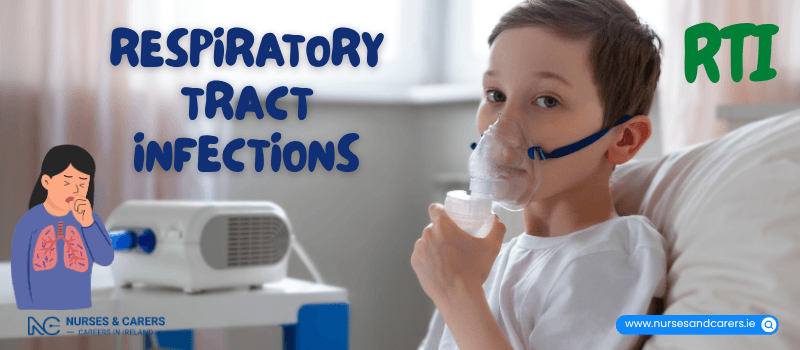
Respiratory tract infections (RTIs) affect the sinuses, throat, airways, or lungs. They are categorized into upper RTIs and lower RTIs, with lower RTIs generally lasting longer and carrying a higher risk of complications. While most RTIs resolve naturally without medical treatment within 1 to 2 weeks, certain symptoms and patient risk factors require medical evaluation.
Quick Treatment Guide: Do's and Don'ts
Do's | Don'ts |
|---|---|
Rest plenty to allow the body to fight the infection. | Do not smoke, as tobacco smoke worsens airway irritation. |
Drink plenty of fluids to stay hydrated and help loosen mucus. | Do not give aspirin to children under 16 years of age. |
Elevate your head with extra pillows to ease breathing. | Do not give hot honey drinks to infants under 1 year old. |
Use painkillers like paracetamol or ibuprofen for pain/fever. | Do not give salt-water gargles to young children. |
Pharmacy Assistance
Consult a pharmacist for targeted over-the-counter symptom relief, such as decongestants and nasal sprays. While cough medicines and throat lozenges are available, clinical evidence supporting their effectiveness is limited.
Safety Note: Always check multi-symptom remedy labels for paracetamol or ibuprofen to avoid accidental overdose. Ask a pharmacist for age-appropriate medications if treating babies, children, or pregnant women.
Symptom Overview
RTIs commonly cause a combination of the following symptoms:
A cough (which may produce phlegm or mucus)
Sneezing, paired with a stuffed or runny nose
A sore throat and headaches
General muscle aches and a high temperature (fever)
Breathlessness, a tight feeling in the chest, or wheezing
A general feeling of being unwell
Prevention and Risk Reduction
To prevent spreading an active infection, always cover the mouth when coughing or sneezing, dispose of used tissues immediately, and wash hands regularly.
If an individual is at high risk—such as being over 65 or managing a chronic illness—these long-term preventative steps are recommended:
Ask a GP about receiving the annual flu vaccine.
Check if the pneumococcal vaccine is appropriate to help protect against pneumonia.
Seek support to stop smoking and reduce alcohol intake to recommended limits.
When to See a Medical Professional
Schedule an appointment with a GP if symptoms worsen, if a cough lasts more than 3 weeks, or if an RTI is suspected and the individual falls into any of these categories:
Pregnant women.
Individuals 65 years of age or older.
People with a weakened immune system due to an illness or medical treatment.
Individuals managing a long-term heart, lung, or kidney condition.
Medical Evaluation and Treatment
If a healthcare professional suspects a bacterial infection, they may test a mucus sample or prescribe antibiotics. Antibiotics only kill bacteria and are completely ineffective against viruses. If prescribed a course of antibiotics, the entire prescription must be completed exactly as directed, even if symptoms improve before finishing the medication.
Severe or worsening symptoms could indicate pneumonia, which requires prompt medical assessment.
Disclaimer
The information provided here is for educational and informational purposes only. It does not constitute medical advice, diagnosis, or treatment. Always consult a qualified healthcare professional or your GP for specific medical concerns, diagnoses, or health advice. Never disregard professional medical advice or delay seeking it because of information you have read here.