
Sinusitis (Sinus Infection)
18 Sept 2026 · 3 min read
On this page9 sections
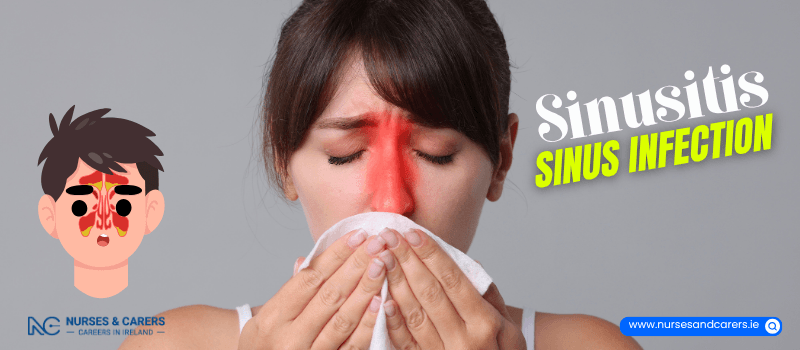
Sinusitis is the swelling of the sinuses, typically caused by a viral infection. It is very common, frequently occurs after a cold or flu, and usually clears up on its own within a few weeks.
Common Symptoms
Symptoms can overlap with other viral respiratory illnesses, including COVID-19. Typical signs include:
Facial discomfort: Pain, swelling, and tenderness around the cheeks, eyes, or forehead, alongside sinus headaches.
Nasal issues: A blocked nose, green or yellow nasal mucus, and a reduced sense of smell.
General symptoms: A high temperature (38°C or higher), toothache, and bad breath.
In Young Children, Signs May Also Include:
Increased irritability
Difficulty feeding
Consistently breathing through their mouth
Immediate Self-Care and Home Remedies
Mild sinusitis can generally be managed at home without seeing a doctor:
Rest and fluids: Get plenty of sleep and drink plenty of water.
Pain relief: Take paracetamol or ibuprofen to manage pain. Never give aspirin to children under 16 years old.
Warm compress: Hold a clean, warm face cloth over your face for a few minutes several times a day.
Nasal rinsing: Wash out the nasal passages with a salt water solution to relieve congestion.
How to Perform a Homemade Nasal Rinse:
Boil 1 pint of water, then let it cool completely to room temperature.
Mix 1 teaspoon of salt and 1 teaspoon of baking soda (bicarbonate of soda) into the water.
Wash and dry your hands thoroughly.
Lean over a sink, cup a small amount of the liquid into your palm, and gently sniff it into one nostril at a time.
Breathe through your mouth, letting the water drain back out into the sink. Avoid letting the water run down the back of your throat.
Repeat up to 3 times a day. Discard any leftover liquid and mix a fresh solution for every use. Alternatively, pre-made salt sachets and rinsing devices are available to purchase at pharmacies.
Pharmacy Treatments
A pharmacist can recommend over-the-counter options to ease symptoms:
Decongestants: Available as nasal sprays, drops, or tablets to clear blockages. Do not use nasal decongestant sprays for longer than 1 week without medical advice.
Saline sprays: Pre-formulated salt water sprays to rinse the nose.
Dosing caution: Many over-the-counter decongestant tablets already contain paracetamol or ibuprofen. Always check the labels to ensure you do not accidentally take a double dose of painkillers.
When to Contact a GP (Non-Urgent)
Consult your General Practitioner if:
Your symptoms are exceptionally severe.
Over-the-counter painkillers provide no relief, or your condition is getting worse.
Your symptoms show no improvement after 1 week.
You experience recurrent, frequent bouts of sinusitis.
Professional Medical Treatments
If home care fails, a GP can prescribe targeted therapies based on the underlying cause:
Steroid nasal sprays or drops: Prescribed for up to a few months to reduce tissue swelling. Potential side effects include nasal irritation, sore throats, or mild nosebleeds.
Antihistamines: Prescribed if an allergy is the primary trigger.
Antibiotics: Only prescribed if a bacterial infection is confirmed and you are very unwell or at risk of complications. Antibiotics are ineffective against viral sinusitis.
Specialist Referral and Surgery
Your GP may refer you to an Ear, Nose, and Throat (ENT) specialist if medications do not help, the infection is recurrent, or the condition becomes chronic (lasting longer than 3 months).
The specialist may recommend Functional Endoscopic Sinus Surgery (FESS), performed under general anaesthetic. The surgeon widens the sinuses by either:
Removing sections of the blocked tissue.
Inflating and then removing a tiny medical balloon to expand the sinus passages.
Disclaimer
The information provided here is for educational and informational purposes only. It does not constitute medical advice, diagnosis, or treatment. Always consult a qualified healthcare professional or your GP for specific medical concerns, diagnoses, or health advice. Never disregard professional medical advice or delay seeking it because of information you have read here.