
Stomach Pain and Cramps in Pregnancy
18 Sept 2026 · 9 min read
On this page17 sections
First Trimester (Weeks 0 to 12)
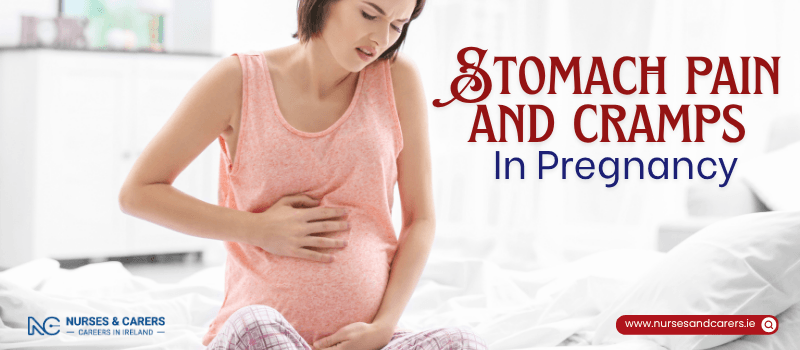
Stomach or tummy pains are a highly frequent occurrence during pregnancy and can manifest at any stage. Most of the time, mild cramping is a natural response to your changing body and is no cause for alarm. However, abdominal pain can occasionally serve as an early indicator of a more serious underlying medical issue.
Here is the essential guide to understanding what causes first-trimester cramps, how to evaluate your symptoms, and when to seek professional medical advice.
Common vs. Serious Causes in Early Pregnancy
During the first 12 weeks of pregnancy, mild cramps and mild, period-like pains are incredibly common. These sensations are usually benign, triggered by normal pregnancy hormone fluctuations and the physical stretching of your growing womb (uterus).
However, localized or worsening stomach pains in the first trimester can sometimes point to serious clinical complications, including:
Miscarriage: The early loss of a pregnancy, which requires supportive medical management.
Ectopic Pregnancy: A life-threatening emergency where the fertilized egg implants outside the womb (most commonly in a fallopian tube).
Urinary Tract Infection (UTI): A bacterial infection of the bladder or kidneys that requires prescription treatment to protect the pregnancy.
Appendicitis: An acute inflammation of the appendix requiring prompt surgical intervention.
Evaluating Symptoms and Seeking Medical Guidance
Paying close attention to accompanying symptoms will help you and your maternity care team determine the right course of action.
Non-Urgent Medical Consultation
Contact your GP, midwife, or maternity unit promptly if you develop any of the following symptoms:
Signs of a Urine Infection: Experiencing pain or a burning sensation when you pee, or noticing that your urine is cloudy, foul-smelling, or visibly tinted with blood.
Vaginal Bleeding: Any spotting or bleeding from your vagina, which warrants immediate investigation to rule out a miscarriage or an ectopic pregnancy.
Unusual Discharge: A sudden change in the color, consistency, or smell of your vaginal discharge, which can indicate an active infection.
One-Sided or Localized Pain: Discomfort that is concentrated mainly on one side of your lower abdomen, especially if it becomes severe or is accompanied by dizziness, light-headedness, or fainting. These are classic warning signs of an ectopic pregnancy or appendicitis.
Fever: A body temperature reaching 38°C (100.4°F) or higher, which indicates your body is fighting a systemic infection.
Emergency Warning Signs
Contact Your GP, Midwife, or Maternity Hospital Urgently If:
You experience severe stomach pain that will not go away or escalates rapidly. Do not wait to see if the pain subsides; go directly to your nearest emergency maternity unit or department for immediate clinical evaluation.
Second Trimester (Weeks 13 to 28) - Stomach Pain And Cramps In Pregnancy
Stomach or tummy pains are a very common occurrence during pregnancy and can manifest at any time. While most second-trimester pains stem from normal physical adaptations as your body expands, they can occasionally serve as an indicator of a more serious underlying medical issue. Knowing what to expect and identifying specific warning signs ensures you and your baby remain safe.
Here is the essential guide to understanding second-trimester abdominal discomfort, home management, and when to seek medical evaluation.
Common Causes of Second-Trimester Pain
During weeks 13 to 28, your uterus expands rapidly out of the pelvis, shifting your center of gravity and placing stress on surrounding support structures.
Round Ligament Pain: The round ligaments connect your womb to your pelvis. As the womb grows, these ligaments must stretch, which frequently causes a sharp, jabbing, or dull aching pain in your lower tummy, groin, or hips on one or both sides.
Pelvic Girdle Pain (PGP): A collection of uncomfortable symptoms caused by stiffness or uneven movement of your pelvic joints during pregnancy.
A Reminder on Sleep Posture: Remember to sleep on your side during pregnancy rather than on your back. From week 28 onward, this practice is vital to prevent blood vessel compression and reduce the risk of stillbirth, but establishing the habit during the second trimester is highly beneficial.
Managing Round Ligament Pain at Home
If you are diagnosed with standard round ligament discomfort, you can find relief by practicing these daily habits:
Adjust your resting position: Lie down on the side opposite to where you feel the pain to relieve structural tension.
Move deliberately: Take your time when changing positions, particularly when rolling over or turning in bed at night.
Use warmth: Soak in a warm (not hot) bath to naturally soothe and relax the pulling muscles and ligaments.
Evaluating Symptoms and Seeking Medical Guidance
Always consult your GP, obstetrician, or midwife to have any new abdominal pain properly evaluated. Pay close attention to accompanying symptoms to determine the necessary level of care.
Non-Urgent Medical Consultation
Contact your doctor, midwife, or maternity unit promptly if you develop any of the following second-trimester changes:
Urinary Tract Symptoms: Experiencing pain when you pee, or noticing that your urine has become cloudy, foul-smelling, or visibly tinted with blood (classic signs of a urine infection).
Vaginal Bleeding: Any active bleeding or spotting from your vagina, which can point to late miscarriage or a complication involving your placenta.
Warning Signs of Pre-Eclampsia: Experiencing pain located higher up in your stomach or chest, paired with a severe headache, sudden swelling in your hands, feet, or face, or blurred vision.
Acute One-Sided Pain: Developing severe abdominal pain localized predominantly on one side, which can indicate acute appendicitis.
Fetal Movement Changes: Noticing any sudden decrease, slowing down, or unusual alteration in your baby’s regular pattern of movements.
Fluid Leakage: Feeling a sudden gush or continuous trickle of fluid from your vagina, which may mean your waters have broken early, indicating premature labor.
Fever: Running a high temperature of 38°C (100.4°F) or above, signaling an active infection.
Emergency Warning Signs
Contact Your GP, Maternity Unit, or Hospital Immediately If:
You experience severe stomach pain that will not go away or worsens rapidly. Do not wait to see if the symptoms clear up; head directly to your nearest emergency maternity department for immediate assessment.
Third Trimester (Week 28 Onwards) - Stomach Pain And Cramps In Pregnancy
Stomach or tummy pains are a highly frequent occurrence during pregnancy and can manifest at any stage. While increased physical discomfort and mild cramping are expected as you approach your due date, certain types of abdominal pain can indicate premature labor or a more serious underlying medical issue.
Here is the essential guide to managing third-trimester abdominal discomfort, differentiating fake labor from true labor, and identifying critical warning signs.
Expected Discomforts: Braxton Hicks and Constipation
During the final weeks of pregnancy, your growing baby and uterus exert massive structural pressure on your internal organs, which can cause normal, non-harmful discomfort:
Braxton Hicks Contractions: These are practice contractions that prepare your body for childbirth. They are characterized by a tightening feeling that is irregular, short-lived (typically lasting 30 to 60 seconds), and feels more like an uncomfortable pressure rather than true pain.
Constipation: The physical weight of your womb can compress your digestive tract, slowing down your gut and making it difficult to pass stools. Eating a diet high in fiber helps alleviate this. You can also consult your pharmacist or midwife for safe, pregnancy-approved stool softeners.
Differentiating Contractions: When to Seek Midwifery Advice
Non-Urgent Labor Assessment
Contact your midwife or maternity unit for advice if you develop contractions that are:
Intense, increasingly painful, and do not fade when you rest or change positions.
Occurring at regular intervals that are less than 10 minutes apart.
Urgent Action (If More Than 37 Weeks Pregnant)
Contact your midwife or go straight to your maternity hospital immediately if:
You believe you are entering true labor.
Your contractions become strong and occur consistently 5 minutes apart.
Your waters break (a sudden gush or continuous trickle of clear fluid).
Evaluating Third-Trimester Warning Signs
Always have new abdominal pain evaluated by a healthcare professional. Pay close attention to accompanying symptoms to determine the necessary clinical response.
Non-Urgent Medical Consultation
Contact your GP, midwife, or maternity hospital promptly if you experience any of the following:
Urinary Tract Symptoms: Pain or burning when you pee, or urine that is cloudy, foul-smelling, or tinted with blood (classic signs of a urine infection).
Vaginal Bleeding: Any active bleeding or spotting from your vagina, which can point to late-stage complications involving your placenta.
Maternal Health Complications: Pain located higher up in your stomach or chest, paired with a severe headache, blurred vision, or sudden swelling in your hands, feet, or face (classic warning signs of pre-eclampsia).
Liver or Gallbladder Issues: Generalized skin itching, severe nausea or vomiting, or a noticeable yellowing of the whites of your eyes (jaundice).
Signs of Infection: A running high temperature or fever reaching 38°C (100.4°F) or above.
Signs of Premature Labor (If Less Than 37 Weeks Pregnant)
Contact your maternity hospital urgently if you are under 37 weeks and experience:
A leak or sudden gush of fluid from your vagina, indicating your waters have broken early.
Regular, tightening contractions that do not stop or are steadily increasing in strength.
Emergency Medical Warning Signs
Go to Your Nearest Maternity Hospital Immediately If:
You experience severe abdominal pain, or your tummy feels highly tender and painful to the touch.
You notice any sudden decrease, slowing down, or change in your baby's movements. Do not wait until the next day or your next routine appointment to get checked.
Disclaimer
The information provided here is for educational and informational purposes only. It does not constitute medical advice, diagnosis, or treatment. Always consult a qualified healthcare professional or your GP for specific medical concerns, diagnoses, or health advice. Never disregard professional medical advice or delay seeking it because of information you have read here.