
Swollen Glands
18 Sept 2026 · 3 min read
On this page8 sections
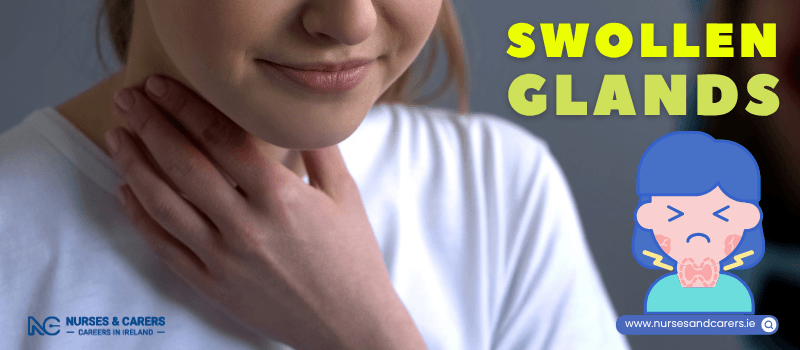
Swollen glands, clinically known as lymph nodes, are a primary indicator that your immune system is actively fighting an infection. They function as biological filters, expanding to trap harmful viruses or bacteria. In most instances, swollen glands are a temporary reaction to a common illness and resolve completely on their own within two weeks.
Here is the essential guide to identifying swollen glands, understanding their common causes, and recognizing when they require medical professional evaluation.
Symptoms and Presentation
Swollen lymph glands present as localized, tender, or painful lumps that you can physically feel beneath your skin.
They most frequently develop in clusters close to the source of an infection, occurring:
On either side of your neck
Directly under the chin or jawline
Within the armpits (axillary nodes)
Around the crease of the groin (inguinal nodes)
While they often swell symmetrically on both sides of the body, it is entirely common for a gland to expand on only one side. Depending on the type of underlying illness, your swollen glands may be accompanied by systemic symptoms such as a sore throat, an ongoing cough, or a mild fever.
Common and Complex Causes
The vast majority of swollen glands are triggered by routine, non-serious health issues that irritate the respiratory tract or skin.
Common Everyday Triggers
The common cold or influenza
Acute tonsillitis or laryngitis
Middle ear infections (otitis media)
Bacterial throat infections (such as strep throat)
Viral illnesses, most notably glandular fever (infectious mononucleosis)
Complex and Rare Triggers
Do not attempt to self-diagnose your symptoms. On rare occasions, persistent or atypically located swollen glands can serve as an indicator of a more serious hematological or oncological condition, such as cancer of the blood system (leukaemia) or a primary malignancy of the lymphatic network itself (lymphoma).
Safe Home Care Protocols
If your glands are tender but are steadily improving alongside a common cold, you can safely manage your discomfort at home with these standard recovery practices:
Prioritize Rest: Give your body adequate time to rest so your immune system can resolve the underlying infection efficiently.
Maintain Hydration: Drink plenty of water and clear fluids throughout the day to support cellular healing and actively prevent dehydration.
Manage Pain Safely: Take over-the-counter pain relievers such as paracetamol or ibuprofen to soothe localized tenderness and lower a mild fever.
Strict Age Restriction: Do not administer aspirin to any child or teenager under 16 years of age, as its use is linked to a rare but severe liver and brain complication called Reye's syndrome.
Note: Antibiotic treatments are exclusively effective against bacterial infections. If a virus (like a cold or glandular fever) caused your swollen glands, antibiotics will have absolutely no therapeutic benefit and should not be used.
When to Seek Medical Professional Evaluation
Schedule a Non-Urgent GP Appointment If:
You develop swollen glands paired with a severe, localized difficulty swallowing.
The swollen lumps are actively growing larger, or they fail to decrease in size after two weeks.
The glands feel rock-hard, rigid, fixed in place, or do not move slightly when you press your fingers against them.
The swelling is accompanied by persistent night sweats (waking up with drenched sheets) or a continuous high temperature of 38°C (100.4°F) or above that lasts longer than 3 or 4 days.
You discover swollen glands but have absolutely no other signs of illness, cuts, or a local infection.
You detect swollen lymph glands localized just above or below your collarbone (supraclavicular nodes). Swelling in this specific region requires prompt diagnostic investigation by a doctor to rule out internal issues.
Your GP will evaluate your symptoms, determine the underlying trigger, and prescribe targeted medical treatments, such as antibiotics, if a bacterial infection is confirmed.
Disclaimer
The information provided here is for educational and informational purposes only. It does not constitute medical advice, diagnosis, or treatment. Always consult a qualified healthcare professional or your GP for specific medical concerns, diagnoses, or health advice. Never disregard professional medical advice or delay seeking it because of information you have read here.