
Abdominal Aortic Aneurysm (AAA)
2 Sept 2026 · 1 min read
On this page5 sections
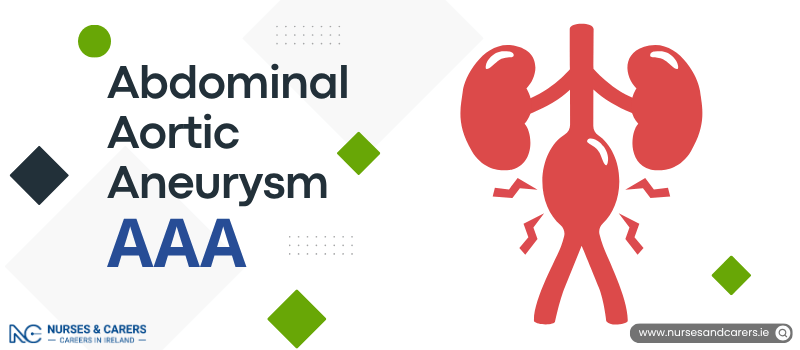
An Abdominal Aortic Aneurysm (AAA) is a bulge in the main blood vessel (the aorta) that runs through your tummy area. While small aneurysms are often harmless, a large or fast-growing AAA can burst and cause life-threatening internal bleeding.
Emergency Action Required
Call 999 or 112 immediately if you or someone with a known AAA experiences:
Sudden, severe pain in the tummy or lower back.
Fainting, dizziness, or passing out.
Pale, sweaty, and clammy skin.
Fast heartbeat or difficulty breathing.
Symptoms & When to See a GP
AAAs rarely cause obvious symptoms. They are usually found during routine checks for other conditions.
Book an appointment with your GP if you experience:
Persistent tummy pain that keeps coming back.
A pulsing sensation or visible lump in your tummy.
Diagnosis & Size Classifications
Your GP will refer you for a quick, painless tummy ultrasound and potentially a specialist consultation. The scan measures the width of your aorta to determine the next steps:
AAA Size | Measurement | Typical Action |
|---|---|---|
Small | 3.0cm to 4.4cm | Regular monitoring scans; lifestyle advice. |
Medium | 4.5cm to 5.4cm | More frequent monitoring scans. |
Large | 5.5cm or bigger | Surgery is usually recommended to prevent bursting. |
Treatment
Treatment plans are determined entirely by the size of the aneurysm and how quickly it grows. Small and medium aneurysms are usually monitored closely, while large aneurysms typically require preventative surgery.
Disclaimer
The information provided here is for educational and informational purposes only. It does not constitute medical advice, diagnosis, or treatment. Always consult a qualified healthcare professional or your GP for specific medical concerns, diagnoses, or health advice. Never disregard professional medical advice or delay seeking it because of information you have read here.