
Crohn’s Disease
8 Sept 2026 · 4 min read
On this page12 sections
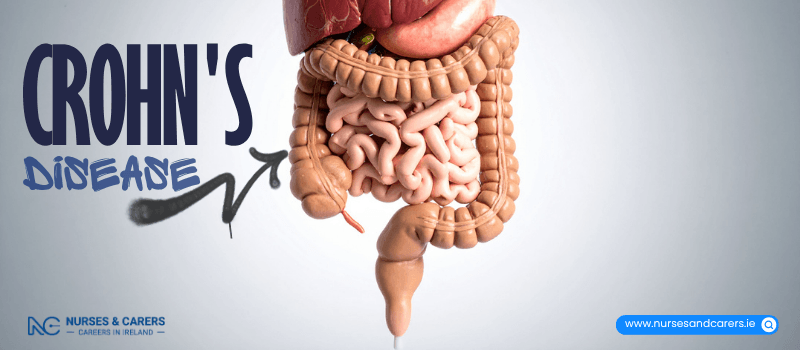
Crohn’s disease is a chronic, lifelong inflammatory bowel disease (IBD) that causes inflammation across various parts of the digestive system. While it impacts individuals of all age groups, symptoms typically manifest during childhood or early adulthood.
Core Symptoms & When to See a GP
Symptoms fluctuate between periods of remission and active phases, commonly referred to as flare-ups.
Schedule a non-urgent general practitioner (GP) appointment if you or your child experience:
Blood present in stool.
Diarrhoea lasting over 7 days.
Frequent, severe stomach cramps.
Unexplained weight loss.
Stunted growth in children.
Medical Evaluation & Diagnosis
Your GP will evaluate your symptoms, diet, travel history, medications, and family history. Physical tummy examinations, blood tests, and stool samples are standard first steps.
If Crohn’s is suspected, a specialist will conduct diagnostic tests:
Colonoscopy: Visual bowel inspection using a flexible camera tube.
Biopsy: Collecting small tissue samples during a colonoscopy.
Imaging: MRI or CT scans paired with diagnostic contrast drinks.
Treatment Options
There is no definitive cure for Crohn’s disease, but targeted treatments manage symptoms effectively.
1. Medications
Steroids: Short-term use (e.g., prednisolone) to suppress inflammation.
Immunosuppressants: Utilised if steroids prove insufficient.
Biological therapies: Advanced medicines deployed for resistant cases.
(Note: In Ireland, the Drugs Payment Scheme card helps offset these medication costs).
2. Surgical Intervention
If medications fail, a resection surgery under general anaesthetic may be required:
Keyhole cuts are made in the abdomen.
Inflamed bowel segments are removed.
Healthy bowel sections are stitched back together.
Recovery time: One week in the hospital; several months for a full recovery.
An ileostomy (diverting stool into an external abdominal bag) may be temporarily required to allow the bowel time to heal before reversal surgery.
Root Causes & Risk Factors
The precise cause remains unknown, but contributing variables include:
Genetic predisposition.
Immune system malfunctions.
Cigarette smoking.
Past gastrointestinal infections.
Imbalances in gut bacteria.
Dietary note: There is no clinical evidence showing specific diets cause Crohn’s.
Daily Management & Diet
Living with Crohn's can disrupt daily routines, but active symptom management allows for a normal lifestyle.
Openly communicate with family and your care team.
Seek emotional guidance or connect with support networks like the Irish Society for Colitis and Crohn’s Disease (ISCC) at crohnscolitis.ie.
Eat a balanced diet. Adults should identify and track specific trigger foods, consulting a doctor before major dietary adjustments.
Children may occasionally require exclusive liquid diets to manage inflammation.
Managing Flare-ups
Log your symptoms (type, frequency, severity) to update your care team quickly.
Quit smoking to dramatically lower your risk of recurrent flare-ups.
Avoid self-medicating. Over-the-counter anti-inflammatory painkillers (like ibuprofen) can severely aggravate symptoms or interfere with prescription IBD drugs.
Pregnancy, Fertility, and Contraception
A healthy pregnancy is entirely possible with Crohn's disease, but strict coordination with your care team is required:
Pre-planning: Consult your doctor months before conceiving. Some treatments temporarily lower sperm count or pose risks to a developing foetus.
Unplanned pregnancy: Notify your care team immediately. Do not stop your medications without consulting them first, as most Crohn's drugs are safe during pregnancy.
Contraception: Malabsorption caused by Crohn's can decrease the efficacy of oral contraceptive pills. Ask your doctor about alternative birth control methods.
Potential Complications & Cancer Screening
Crohn's disease can lead to secondary medical issues:
Strictures: Intestinal narrowing caused by internal tissue scarring.
Ulcers: Sores located in the mouth, digestive tract, or genital regions.
Fistulas: Abnormal tunnel tracts connecting different sections of the bowel.
Additionally, long-standing Crohn's increases the risk of bowel cancer. Approximately 8 to 10 years after your initial symptoms start, you will begin routine cancer screenings. The frequency of follow-up colonoscopies will depend directly on your family history and how long you have lived with the disease.
Disclaimer
The information provided here is for educational and informational purposes only. It does not constitute medical advice, diagnosis, or treatment. Always consult a qualified healthcare professional or your GP for specific medical concerns, diagnoses, or health advice. Never disregard professional medical advice or delay seeking it because of information you have read here.