
Allergic Rhinitis
11 Sept 2026 · 9 min read
On this page18 sections
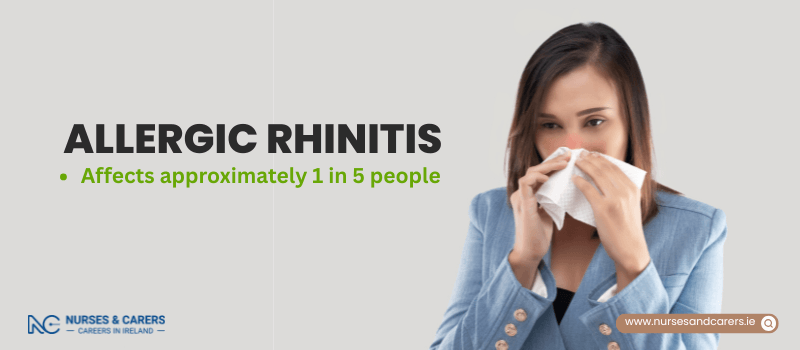
Allergic Rhinitis is a very common condition that causes inflammation inside the nose when you breathe in an allergen. This widespread condition affects approximately 1 in 5 people.
An allergen is a harmless substance that triggers an allergic reaction in your immune system. Common examples include:
· Pollen: Tiny powders released by trees, grass, and weeds (often called hay fever).
· Dust mites: Microscopic bugs that live in household dust and carpets.
· Mould: Tiny spores released by fungi in damp environments.
· Animal dander: Microscopic flakes of dead skin, fur, or feathers from pets.
Symptoms of Allergic Rhinitis
Allergic Rhinitis causes cold-like symptoms that usually start soon after you are exposed to an allergen. Most people experience mild symptoms, but for some, the condition can be severe and persistent, disrupting sleep and interfering with daily activities.
While symptoms can improve over time, this process can take many years, and it is rare for the condition to disappear completely.
Common Symptoms
Sneezing frequently.
An itchy nose, which may also affect your throat, eyes, or ears.
A blocked or runny nose, producing clear, watery fluid.
Frequency and Timing
The duration of your symptoms depends entirely on what you are allergic to:
Seasonal (Seasonal Allergic Rhinitis): Symptoms occur for only a few weeks or months at a time, usually triggered by seasonal allergens like tree, grass, or weed pollen (hay fever).
Perennial (All Year Round): Symptoms persist throughout the entire year, typically caused by indoor allergens like dust mites, mould, or animal dander.
Pharmacy Access in Ireland
You do not always need to see a GP for this condition. In Ireland, you can consult a local pharmacist for advice, diagnosis, and treatment. Under the Common Conditions Service, pharmacists can assess your symptoms and recommend or prescribe appropriate treatments for a standard service fee.
Are you looking for advice on how to reduce allergen exposure inside your home, or would you like to know about the different types of medications a pharmacist can provide?
You should contact your GP or pharmacist if the symptoms of Allergic Rhinitis begin to significantly impact your quality of life, such as when they:
· Disrupt your sleep, leading to insomnia or daytime exhaustion.
· Stop you from doing everyday activities, including hobbies and exercise.
· Affect your performance at work or school, lowering your concentration or causing you to take days off.
A healthcare professional can review your symptoms and recommend stronger, prescription-strength options or specialized therapies to help you find relief.
To help identify the exact cause of your Allergic Rhinitis, your GP or pharmacist will ask detailed questions about your symptoms and any specific triggers you have noticed, such as certain environments, weather conditions, or contact with animals.
If the exact trigger of your condition remains uncertain after this discussion, your GP may refer you for professional allergy testing.
Types of Allergy Testing
When referred for further investigation, a specialist will typically use one of two main methods to isolate your allergens:
· Skin Prick Testing: The most common method, where tiny drops of different purified allergen extracts are placed on your forearm. The skin is gently pricked through the drop. If you are allergic, a small, itchy red bump (called a wheal) will appear within 15 to 20 minutes.
· Allergy Blood Tests (RAST/Specific IgE Test): A blood sample is taken to measure the level of specific IgE antibodies your immune system produces in response to suspected allergens. This is often used if you have a skin condition like severe eczema that prevents skin prick testing.
Causes of Allergic Rhinitis
Allergic Rhinitis is caused by an overreaction of your immune system to a harmless substance, known as an allergen. Instead of ignoring it, your immune system mistakenly identifies the allergen as a dangerous threat and launches a defensive attack.
When you breathe in these particles, specialized cells in your nasal lining release chemicals—primarily histamine. These chemicals cause the blood vessels to expand, which makes the mucous membrane inside your nose swell and produce an excessive amount of watery mucus.
Common Allergen Triggers
Pollen: Tiny grains released by trees, grass, and weeds. When pollen triggers Allergic Rhinitis, the condition is commonly known as hay fever.
House Dust Mites: Microscopic bugs that thrive in warm, humid home environments, particularly in bedding, carpets, and soft furnishings.
Mould Spores: Tiny particles released into the air by fungi, which grow easily in damp, poorly ventilated areas.
Animal Proteins: Flakes of dead skin (dander), dried saliva, or droplets of urine from pets like cats, dogs, horses, and rodents.
Treating and Preventing Allergic Rhinitis
While it is difficult to completely avoid environmental allergens, reducing your exposure to known triggers can significantly decrease the severity of your symptoms.
1. Initial Self-Care and Over-the-Counter Options
If your Allergic Rhinitis symptoms are mild, you can start with these accessible treatments:
Nasal Saline Rinses: Regularly rinsing your nasal passages with a sterile salt water solution (using a neti pot or sinus rinse bottle) mechanically flushes out trapped allergens, dust, and excess mucus.
Over-the-Counter (OTC) Relief: Speak to your local pharmacist about purchasing non-prescription remedies to manage daily symptoms.
2. Common Medications for Treatment and Prevention
If self-care steps do not provide enough relief, a GP or pharmacist can recommend or prescribe targeted medications. These work best when used consistently, especially during your peak allergy season:
Antihistamines: These medications block the action of histamine, the chemical that triggers allergic symptoms. Common examples include cetirizine, loratadine, and fexofenadine. They are highly effective for relieving sneezing, running, and itching, and are available as daily tablets, syrups, or nasal sprays.
Corticosteroid Nasal Sprays: These sprays are applied directly into the nostrils to reduce swelling, inflammation, and mucus production in the nasal lining. Common examples include mometasone, fluticasone, and beclomethasone. Because they take a few days to reach full effectiveness, they are often used preventatively.
Accessing Care via Irish Pharmacies
In Ireland, many high-strength steroid nasal sprays and non-drowsy antihistamines can be accessed directly at your local pharmacy without waiting for a GP appointment. Under the Common Conditions Service, your pharmacist can evaluate your symptoms, safely cross-check your medical history, and provide the correct strength of medication [Allergic Rhinitis symptoms of Allergic Rhinitis].
Complications of Allergic Rhinitis
Allergic Rhinitis can cause persistent swelling and blockage in the nasal passages. Left unmanaged, this chronic inflammation can disrupt the normal drainage of your ears and sinuses, leading to secondary complications.
While most of these issues can be resolved with targeted medications, severe or long-term cases may require surgical intervention.
1. Nasal Polyps
Nasal polyps are soft, non-cancerous, fluid-filled sacs that grow inside the lining of your nasal passages or sinuses. They are a direct result of chronic, ongoing inflammation.
The Impact: Small polyps may not cause any issues, but larger clusters can physically block your airways, make breathing difficult, and significantly reduce your sense of smell.
Medical Treatment: A GP or specialist will typically prescribe steroid nasal sprays or drops (such as mometasone or fluticasone) to reduce the swelling and shrink the polyps.
Surgical Treatment: If the polyps are exceptionally large or do not respond to high-strength steroids, a minor surgical procedure called a polypectomy may be required to clear the nasal passages.
2. Sinusitis
Your sinuses are small, air-filled cavities behind your cheekbones and forehead that naturally drain mucus into your nose through tiny channels. Allergic Rhinitis causes the nasal lining to swell, which can block these drainage channels.
The Impact: When mucus becomes trapped inside the blocked sinuses, it creates an environment where bacteria can thrive, leading to sinusitis. This causes facial pain or pressure, a severely blocked nose, thick nasal discharge, and sometimes a reduced sense of taste and smell.
Medical Treatment: Treatment generally focuses on reducing the blockages using saline nasal rinses to clear secretions, alongside targeted steroid sprays to ease the swelling. If a secondary bacterial infection develops, a doctor may prescribe a short course of oral antibiotics.
Surgical Treatment: For chronic, long-term sinusitis that fails to clear up, a specialist may recommend Functional Endoscopic Sinus Surgery (FESS) to widen the drainage pathways.
3. Middle Ear Infections (Otitis Media)
The back of your nose is connected to your middle ears (the space behind the eardrum) by narrow passages called the Eustachian tubes.
The Impact: The allergic inflammation inside your nose can travel up or block the opening of the Eustachian tubes. This traps fluid inside the middle ear, causing pressure, temporary hearing impairment, and a high risk of bacterial middle ear infections.
Medical Treatment: Managing the underlying allergy with antihistamines or steroid sprays usually allows the Eustachian tubes to reopen and drain naturally. Pain relief and antibiotics may be used if an acute infection is present.
Surgical Treatment: If a child or adult suffers from persistent fluid build-up (often called "glue ear") that impacts their hearing, a surgeon may need to insert tiny ventilation tubes called grommets into the eardrum to drain the fluid.
Daily Quality of Life Complications
Beyond these structural conditions, the constant congestion from Allergic Rhinitis frequently causes sleep disruption, daytime drowsiness, and poor concentration. It can also significantly worsen existing respiratory conditions, such as asthma.
Non-Allergic Rhinitis
Non-Allergic Rhinitis is a condition that causes chronic inflammation inside the nose, but unlike Allergic Rhinitis, it is not triggered by an allergic reaction or an overactive immune system.
Because its symptoms do not rely on seasonal pollen, it is often referred to as perennial non-Allergic Rhinitis, meaning it can persist all year round.
Common Causes of Non-Allergic Rhinitis
Viral Infections: Short-term bouts are frequently caused by common respiratory viruses, such as the common cold or flu, which temporarily inflame the nasal membranes.
Environmental Irritants: Breathing in poor-quality, dusty, smoky, or exceptionally dry air. Environmental triggers also include artificial air from air conditioning units, strong chemical fumes, and perfumes.
Overuse of Nasal Decongestants (Rhinitis Medicamentosa): Over-the-counter decongestant nasal sprays (like those containing oxymetazoline or xylometazoline) provide rapid relief but should never be used for more than 5 to 7 consecutive days. Overusing them causes a "rebound effect," where the blood vessels in the nose swell permanently, making congestion much worse.
Other Triggers: Changes in the weather (like sudden cold air), eating spicy foods (gustatory rhinitis), hormonal shifts (such as during pregnancy), or certain medications like beta-blockers.
Disclaimer
The information provided here is for educational and informational purposes only. It does not constitute medical advice, diagnosis, or treatment. Always consult a qualified healthcare professional or your GP for specific medical concerns, diagnoses, or health advice. Never disregard professional medical advice or delay seeking it because of information you have read here.