
Anaphylaxis
4 Sept 2026 · 18 min read
On this page40 sections
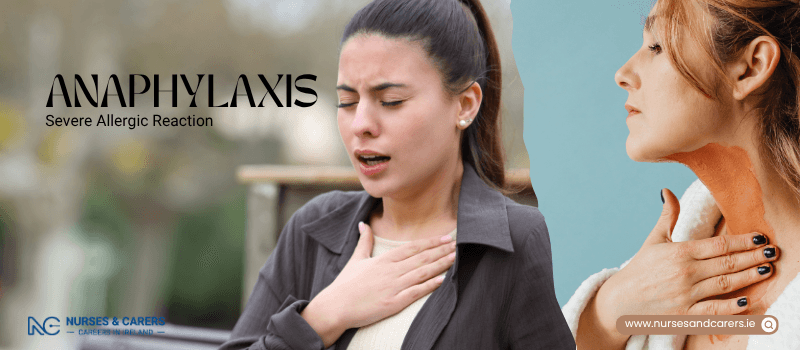
Anaphylaxis (Severe Allergic Reaction)
Anaphylaxis is a severe, life-threatening allergic reaction that requires immediate emergency medical intervention. While it frequently happens within minutes of exposure to an allergen, it can sometimes take up to 2 hours to fully develop.
This critical systemic reaction can be triggered by several common allergens, including certain foods (like nuts or shellfish), medications, latex, or insect stings [Anaphylaxis is an allergic reaction that is life threatening. It can happen very quickly, or it can take up to 2 hours to develop., It can be caused by food, medicine, latex or insect stings.
Emergency Action Required
You must dial 999 or 112 immediately for an ambulance if you suspect that you or someone else is experiencing an anaphylactic reaction [Emergency action required: Call 999 or 112 if: you think you or someone else is having an anaphylactic reaction].
When speaking to the emergency operator, state clearly that the person is having an "anaphylactic shock" or a "severe allergic reaction."
How to Recognize Anaphylaxis (ABC Symptoms)
Anaphylaxis moves beyond mild allergy symptoms like a simple rash. It primarily attacks the body's airways, breathing, and circulation:
A - Airway: Swelling of the tongue, lips, throat, or mouth; difficulty swallowing; or a hoarse, raspy voice.
B - Breathing: Sudden, severe wheezing; a persistent, choking cough; or gasping for air.
C - Circulation: Profound dizziness, light-headedness, confusion, sudden pale or clammy skin, or a complete collapse and loss of consciousness.
Immediate First Aid Steps While Waiting for the Paramedics
Administer Adrenaline: If the person has a prescribed adrenaline auto-injector (such as an EpiPen, Jext, or Emerade), use it according to the instructions provided with the device and by a healthcare professional. Do not wait for symptoms to worsen before using the auto-injector.
Correct Positioning: Lay the person flat on their back. If they are having severe breathing difficulties, they can sit up slightly, but they must not stand or walk. If they are unconscious, place them safely in the recovery position.
Be Prepared to Use a Second Device: If the symptoms do not improve or begin to worsen after a short interval, use a second adrenaline auto-injector if one is available and directed by emergency services or a medical action plan.
Symptoms of Anaphylaxis
Anaphylaxis typically begins shortly after coming into contact with an allergen [Symptoms of anaphylaxis]. It can progress rapidly, starting with seemingly mild allergy signs before escalating into a life-threatening medical emergency [Symptoms of anaphylaxis].
If you or someone else experiences the following symptoms, dial 999 or 112 immediately for an ambulance [Emergency action required: Call 999 or 112 if: you think you or someone else is having an anaphylactic reaction].
Critical Emergency Symptoms (Airway & Breathing)
Swelling of your throat, tongue, or mouth [Symptoms of anaphylaxis].
Difficulty breathing, gasping, or breathing very rapidly [Symptoms of anaphylaxis].
Tightness in your throat, a hoarse voice, or severe difficulty swallowing [Symptoms of anaphylaxis].
Wheezing, a persistent cough, or noisy, strained breathing [Symptoms of anaphylaxis].
Shock & Circulation Symptoms
Feeling faint, severely dizzy, or completely losing consciousness [Symptoms of anaphylaxis].
Skin, lips, or tongue changing color to look blue, grey, or unusually pale [Symptoms of anaphylaxis]. (Note: If you have brown or black skin, this color change may be easier to spot on the palms of your hands or the soles of your feet) [Symptoms of anaphylaxis].
Skin that feels cold to the touch [Symptoms of anaphylaxis].
A racing heart rate, palpitations, or a fluttering feeling in your chest [Symptoms of anaphylaxis].
Feeling confused, profoundly tired, or disoriented [Symptoms of anaphylaxis].
An overwhelming psychological feeling of doom or dread [Symptoms of anaphylaxis].
Gastrointestinal & Skin Symptoms
Nausea, vomiting, intense stomach cramps, or sudden diarrhoea [Symptoms of anaphylaxis].
A widespread skin rash that is swollen, raised, or intensely itchy (hives) [Symptoms of anaphylaxis].
When to Call 999 or 112:
You must dial 999 or 112 immediately for an ambulance if you, a child, or someone else exhibits any of these critical symptoms. These are the hallmark signs of a severe, life-threatening allergic reaction (anaphylaxis), which requires immediate emergency treatment in a hospital.
Critical Red-Flag Emergency Signs
Airway & Swelling: Your mouth, throat, or tongue suddenly becomes swollen, your throat feels tight, or you are struggling to swallow.
Breathing Distress: You are breathing very fast, struggling to breathe, gasping for air, or feel like you are choking or becoming very wheezy.
Skin Colour Changes: Your skin, tongue, or lips turn blue, grey, or pale. (If you have black or brown skin, this change may be easier to observe on the palms of your hands or the soles of your feet).
Neurological Signs: You suddenly become very confused, drowsy, or dizzy, or someone faints and cannot be woken up.
Infant Distress Signs: A baby appears limp, floppy, or is not responding normally. Their head may fall to the side, backwards, or forwards, or they may struggle to lift their head or focus on your face.
You or the person who is unwell may also present with a widespread skin rash that is swollen, raised, or intensely itchy (hives).
Immediate First Aid Steps While Waiting for the Ambulance
Use an Adrenaline Auto-Injector: If the person has a prescribed adrenaline device (such as an EpiPen), administer it into the outer thigh immediately. Do not hesitate or wait for symptoms to worsen.
Correct Positioning: Lay the person completely flat on their back. If they are struggling to breathe, they can sit up slightly, but they must not stand up or walk. If they are unconscious, place them in the recovery position.
Stay with Them: Monitor their breathing constantly until the paramedics arrive.
What To Do if You Have Anaphylaxis
If you think you or someone you are with is having a severe allergic reaction, follow these life-saving steps immediately:
1. Administer Adrenaline First
If the person has a prescribed adrenaline auto-injector, use it immediately.
Clear, easy-to-follow instructions are printed directly on the side of the device.
Inject it into the outer middle portion of the thigh. It can be given through clothing if necessary.
2. Call Emergency Services
Dial 112 or 999 for an ambulance right away. Tell the emergency operator clearly that you suspect "anaphylaxis" or a "severe allergic reaction."
3. Adopt the Correct Physical Position
How you lie down is critical to keeping your blood pressure stable and keeping your airways open:
Standard Position: Lie down completely flat on your back.
If Breathing is Difficult: Raise your shoulders or sit up slowly to make breathing easier, but stay on the floor.
If Pregnant: Lie down on your left side to avoid putting pressure on major blood vessels.
If Unconscious: Place the person safely in the recovery position.
4. Stay Down — Do Not Stand or Walk
Do not stand up or walk at any time, even if you start to feel completely better. Standing up during anaphylaxis can cause a sudden, dangerous drop in blood pressure that can lead to cardiac arrest.
5. Remove the Trigger if Applicable
If the reaction was caused by an insect sting, try to remove the stinger from the skin as quickly as possible. Scrape it off with a flat edge (like a credit card) rather than squeezing it with tweezers, which can push more venom into the skin.
6. Use a Second Injector if Needed
Keep a close eye on the time. If the symptoms do not improve, or if they begin to worsen after 5 minutes, administer a second adrenaline auto-injector if you have one available.
If A Child Has Anaphylaxis
If you suspect a child is having a severe, life-threatening allergic reaction, you must act quickly. Follow these essential steps immediately:
1. Administer Adrenaline Without Delay
If the child has a prescribed adrenaline auto-injector, use it right away.
Clear, illustrated instructions are printed on the side of the device.
Firmly push the injector into the outer middle part of the child's thigh. It can be administered through clothing if necessary.
2. Call Emergency Services
Dial 112 or 999 for an ambulance immediately. State clearly to the operator that you believe the child is having "anaphylaxis" or a "severe allergic reaction."
3. Keep the Child Lying Down and Calm
Anxiety can make breathing difficulties worse. Distract the child and keep them as calm as possible.
Positioning: Keep the child lying flat on their back. If they are struggling to breathe, they can sit up slowly, but they must remain on the floor.
Infants and Toddlers: If the child is small enough, you can cradling them in your arms while keeping them in a horizontal, lying position.
Crucial Rule: Do not let the child stand up or walk at any time, even if they say they feel better. Standing up during anaphylaxis can cause a dangerous, sudden drop in blood pressure.
4. Use a Second Injector if Needed
Carefully monitor the child and track the time. If their symptoms do not show any improvement, or if they begin to worsen after 5 minutes, administer a second adrenaline auto-injector if you have one.
5. Remove the Insect Stinger (If Applicable)
If the reaction was triggered by an insect sting, try to remove the stinger from the skin immediately. Scrape it away horizontally using a flat edge, like a fingernail or a plastic card. Avoid squeezing it with tweezers, as this can squeeze more venom into the child's skin.
How to Use An Adrenaline Auto-Injector
An adrenaline auto-injector is a specially designed medical device that allows you to safely inject adrenaline into yourself or someone else during a severe allergic reaction (anaphylaxis).
Because these devices save lives, your GP, nurse, or pharmacist will explain exactly how and when to use your injector every single time you are prescribed one.
Different Devices, Different Steps
There are multiple brands of adrenaline auto-injectors available, and each type is operated differently. It is vital that you know exactly which brand you carry. The three most common brands prescribed in Ireland are:
Anapen: Detailed user instructions and guides can be found at anapen.ie.
EpiPen: Detailed user instructions and guides can be found at epipen.ie.
Jext: Detailed user instructions and guides can be found at patients.jext.co.uk.
You can watch clear, step-by-step instructional videos on how to administer each specific injector directly on their official websites.
Practice with a Trainer Pen
To ensure you feel completely confident in an emergency, you should practice the physical motions of using the device before a real reaction occurs.
What is it? A trainer pen is an exact replica of your medicine pen, but it contains no needle and no medicine.
How to get one: You can request a free trainer pen for EpiPen or Jext directly through their websites, or ask your local pharmacist to order a trainer pen for Anapen on your behalf.
Family Practice: If your child has a severe allergy, give them the trainer pen and let them practice using it on themselves, and ensure family members, minders, and teachers practice as well.
Replacing and Disposing of Expired Pens
Adrenaline has a limited shelf life and will become less effective over time. You must check the expiry dates on your devices regularly.
When your pens expire, bring them to your local community pharmacy. Your pharmacist will take your expired adrenaline auto-injectors and dispose of them safely as medical waste at no cost to you.
Treatment for Anaphylaxis
Anaphylaxis is a critical medical emergency that requires immediate treatment in a hospital. [Treatment for anaphylaxis] Even if you have already used your own adrenaline auto-injector and feel better, you must go to the emergency department via ambulance. This is because severe allergic symptoms can return hours later in a dangerous secondary wave known as a biphasic reaction.
Once admitted, you will typically stay in the hospital for 2 to 12 hours for continuous monitoring, though your stay may be longer depending on the severity of your reaction [Treatment for anaphylaxis].
Common Hospital Treatments
Advanced medical teams will stabilize your airway, breathing, and blood pressure using targeted emergency therapies:
Adrenaline: If your symptoms persist, medical staff will administer further doses of adrenaline via an injection or a continuous drip into your vein.
Intravenous (IV) Fluids: High-volume fluids are given through a drip to rapidly stabilize your blood pressure and treat anaphylactic shock.
Supplemental Oxygen: Delivered through a mask or nasal tubes to ease breathing distress and keep your organs oxygenated.
Additional Medications: You may also receive intravenous antihistamines and anti-inflammatory steroids to halt further immune system overreaction.
What Happens Before Discharge
Before you are safely discharged from the hospital, the medical team will provide you with a prescription for 2 adrenaline auto-injectors (such as EpiPens) [Treatment for anaphylaxis].
It is a vital safety rule to always carry two injectors with you at all times, as a single dose may not be enough to control a severe or prolonged reaction while waiting for emergency services.
Essential Follow-Up Care
After recovering from an anaphylactic episode, it is crucial to investigate the precise root cause to prevent future exposure:
See a Specialist: Contact your allergist or immunologist as soon as possible after your discharge [Treatment for anaphylaxis].
Get a Referral: If you have never seen an allergy specialist before, ask your GP for a formal referral to an outpatient immunology clinic [Treatment for anaphylaxis]. They can perform targeted testing to pinpoint your exact triggers and help you establish a personalized Allergy Action Plan.
Things you can do to help prevent or prepare for anaphylaxis
Living with a severe allergy means taking proactive steps to avoid triggers while ensuring you are fully equipped to handle an emergency.
What You Should Do (Anaphylaxis Management)
Dual Carriage: Carry two adrenaline auto-injectors with you at all times, without exception.
Label Check: If you have a food allergy, check food labels carefully and tell staff at restaurants and cafes about your allergy before ordering.
Expiry Audits: Check your adrenaline auto-injector expiry dates often and get new ones before they expire.
Practice Pens: Ask your GP or pharmacist for information on using an injector that has no needle or medicine in it (a trainer pen).
Network Training: Teach friends, family, colleagues, or carers how and when to use your adrenaline auto-injector.
Minder Competency: Make sure anyone who looks after your child can use an adrenaline pen safely.
Plan Sharing: Share your child's allergy action plan with their school, creche, and sports camps.
Early Administration: Use your adrenaline pen even if your symptoms are mild or you are not sure you have anaphylaxis—delaying it is dangerous.
Emergency Jewellery: Wear medical alert jewellery, such as a bracelet, with information about your allergy to inform others during an emergency.
Travel Supplies: Bring enough adrenaline auto-injectors with you when you are travelling to cover your entire trip safely.
What You Should NOT Do (Anaphylaxis Management)
Temperature Extremes: Do not leave your adrenaline auto-injectors anywhere too hot or cold, such as in the fridge, in direct sunlight, or in the glovebox of your car. Exposure to extreme temperatures can cause the medicine to degrade rapidly and fail to work during an emergency.
More information
To help you effectively manage your triggers and protect yourself from severe reactions, you can explore detailed advice tailored to specific types of common allergies.
Food Allergies
Managing a food allergy requires total elimination of the trigger food and strict daily vigilance:
· The "May Contain" Warning: Always read the full precautionary allergen labeling on food packages, as items manufactured in the same facility as your allergen carry a high risk of cross-contamination.
· The Chef Card: Consider carrying a printed "allergy card" that clearly lists your specific food triggers and their severity. You can hand this directly to kitchen staff or managers when dining out to prevent communication errors.
· Hidden Ingredients: Be aware that common food allergens (like milk, eggs, or nuts) are frequently hidden under unexpected names in cosmetic products, medications, and specialized sauces.
Insect Bites and Stings
If you have a known severe allergy to wasp or bee venom, you can lower your risk of accidental stings by altering your outdoor habits:
· Footwear Choices: Avoid walking barefoot or in open-toed sandals on lawns, grass, or clover fields where stinging insects frequently forage.
· Neutral Clothing: Wear muted, neutral colors when spending time outdoors. Bright, floral prints and dark colors can accidentally attract bees and wasps.
· Scent Selection: Avoid wearing strong perfumes, heavily scented hair products, or floral-scented sunscreens when outdoors, as these mimic the sweet smells that insects track.
· Covered Dining: Keep all outdoor food, sweet drinks, and picnic trash tightly sealed and covered until the moment you consume them. Always check open cans or cups before taking a sip.
Causes of Anaphylaxis
Anaphylaxis occurs when your body's immune system experiences a sudden, catastrophic overreaction to a specific substance you are allergic to. Instead of a localized reaction, the immune system floods the entire body with chemicals that can cause your blood pressure to drop and your airways to narrow.
The most common allergen categories capable of triggering anaphylaxis include:
1. Specific Food Groups
While any food can theoretically cause an allergic reaction, the vast majority of food-induced anaphylaxis cases are triggered by:
Nuts: Particularly peanuts and tree nuts (such as walnuts, cashews, and almonds).
Seafood: Including shellfish (shrimp, crab, lobster) and finned fish.
Other common triggers: Cows' milk, eggs, wheat, and soy.
2. Medications and Drugs
Anaphylaxis can occur in response to both prescription and over-the-counter medications:
Antibiotics: Most notably penicillin and related cephalosporin antibiotics.
Non-Steroidal Anti-Inflammatory Drugs (NSAIDs): Common painkillers and anti-inflammatory medications, including aspirin and ibuprofen.
General Anaesthetics: Muscle relaxants or other medications administered during surgical procedures.
3. Insect Stings
Venom from stinging insects is a highly potent allergen that can enter the bloodstream directly, leading to rapid-onset symptoms:
Wasp and bee stings are the primary culprits in Ireland.
4. Latex
Natural Rubber Latex: A material commonly found in household or medical rubber gloves, certain medical plasters (bandages), balloons, and condoms.
Idiopathic Anaphylaxis & Mastocytosis
In some cases, a specific external allergen cannot be identified; this is known as idiopathic anaphylaxis.
Additionally, individuals living with a rare medical condition called mastocytosis face a unique risk. In mastocytosis, the body produces too many mast cells (the immune cells responsible for releasing histamine). Because of this cell overload, these individuals can experience severe anaphylaxis spontaneously, without any external allergen trigger.
Disclaimer
The information provided here is for educational and informational purposes only. It does not constitute medical advice, diagnosis, or treatment. Always consult a qualified healthcare professional or your GP for specific medical concerns, diagnoses, or health advice. Never disregard professional medical advice or delay seeking it because of information you have read here.