
Angina
4 Sept 2026 · 4 min read
On this page9 sections
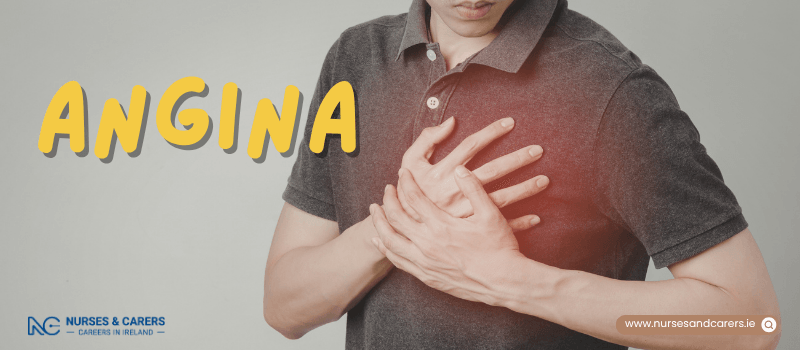
Angina is chest pain or tightness caused by reduced blood flow to the heart muscles. While it is rarely an immediate threat to life, it serves as a critical warning sign for a potential heart attack or stroke. It is vital to seek medical evaluation if you experience these symptoms. Fortunately, you can significantly lower your risk of serious cardiovascular complications through timely treatment and heart-healthy lifestyle adjustments.
Symptoms of Angina
· Sensation: Ranges from a mild, tight, or heavy feeling to severe, crushing discomfort.
· Triggers: Commonly brought on by physical exertion, strong emotions, or stress.
· Duration: Usually eases and stops within 10 minutes of resting or taking prescribed medication.
· Spread: The pain can often radiate out into your left arm, neck, jaw, shoulders, or back.
· Other signs: You may also experience accompanying symptoms like breathlessness, sweating, or nausea
You should schedule an urgent GP appointment if:
· You experience chest pain or pressure
· The discomfort fades or goes away after you rest for about 10 minutes
Call 112 or 999 for an ambulance if:
· You experience chest pain or pressure
· The pain does not stop after 10 minutes of rest
Types of Angina
here are two primary forms of Angina, which differ by their triggers, predictability, and severity:
Type | Frequency & Severity | Triggers | Behavior |
|---|---|---|---|
Stable Angina | Most common and predictable | Physical exercise or emotional stress | Fades quickly with rest or medication |
Unstable Angina | More serious and unpredictable | Can occur at any time, even without a trigger | Continues even while resting |
Causes of Angina
Angina is caused by atherosclerosis—the narrowing of heart arteries due to fatty build-ups that restrict blood flow. Your risk of developing this condition is driven by a mix of lifestyle factors and medical history:
Lifestyle Risk Factors
Poor diet: Consuming a diet high in unhealthy fats.
Inactivity: A general lack of physical exercise.
Weight: Carrying excess body weight or living with obesity.
Smoking: Tobacco use damages blood vessels and speeds up blockages.
Medical & Hereditary Risk Factors
Diabetes: High blood sugar levels that can damage artery walls.
Hypertension: Chronic high blood pressure that strains blood vessels.
Age: A natural increase in risk as you get older.
Family history: Having close relatives with atherosclerosis or early heart problems.
Treating Angina
Angina treatments are designed to manage your current symptoms, protect your heart, and improve blood circulation. Your care plan will typically fall into two main categories:
Prescription Medications
· To stop an attack: Glyceryl trinitrate (GTN spray or tablets) to relieve pain during an episode.
· To prevent attacks: Long-term medications like beta-blockers to keep symptoms from starting.
· To prevent complications: Heart-protective drugs like low-dose aspirin and statins to reduce heart attack and stroke risks.
Surgical Procedures
If your arteries are severely narrowed, a specialist may recommend a procedure to restore proper blood flow:
· PCI (Percutaneous Coronary Intervention): Using a tiny balloon and a mesh tube (stent) to open up the artery.
· CABG (Coronary Artery Bypass Graft): Heart bypass surgery that reroutes blood around the blocked arteries.
Living with Angina
Normal Life: If your Angina is well-controlled, there is no reason why you cannot live a normal, full life and continue with most of your day-to-day activities.
Key Focus: Long-term management relies heavily on making recommended lifestyle adjustments alongside your medical treatment.
The Main Goal: Adopting these healthy habits significantly reduces your overall risk of experiencing a heart attack or a stroke.
Recommended Lifestyle Changes
Your healthcare team will likely advise you to make several key adjustments to protect your heart:
Balanced Diet: Eating a nutritious, heart-healthy diet low in saturated fats and high in nutrients.
Alcohol Reduction: Cutting down on your regular alcohol intake to healthy, recommended limits.
Smoking Cessation: Stopping smoking entirely, as tobacco use heavily damages your arteries.
Weight Management: Losing weight safely if you are currently carrying excess body weight.
Staying Active: Keeping up with physical activity, as gentle exercises are usually safe and highly beneficial for heart health.
Tracking Your Condition
Symptom Diary: It is highly important to keep a detailed, ongoing record of your condition.
What to Track: Document exactly what activities or emotions bring on your Angina attacks, and note down how frequently they are occurring.
Why it Matters: Sharing this log with your doctor helps them monitor whether your current treatment plan is working or needs to be adjusted.
Disclaimer
The information provided here is for educational and informational purposes only. It does not constitute medical advice, diagnosis, or treatment. Always consult a qualified healthcare professional or your GP for specific medical concerns, diagnoses, or health advice. Never disregard professional medical advice or delay seeking it because of information you have read here.