
Chest Pain
7 Sept 2026 · 3 min read
On this page6 sections
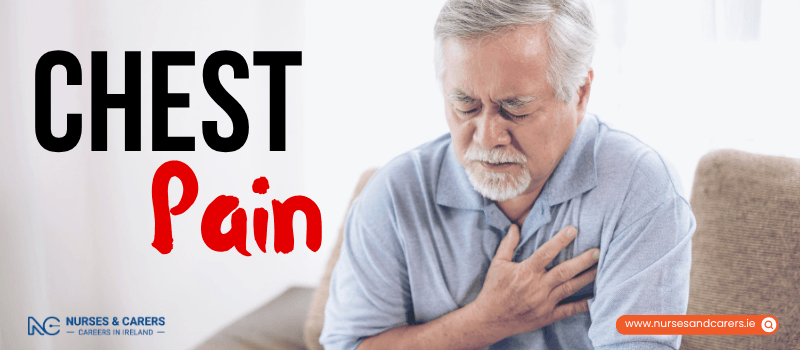
Chest pain refers to any sensation of pain, pressure, tightness, squeezing, or discomfort felt anywhere from your neck down to your upper abdomen.
It is a broad symptom that can range from a mild ache to a sharp, stabbing sensation. While often associated with heart issues, chest pain can also originate from the lungs, muscles, ribs, nerves, or digestive system.
Emergency Protocol: Potential Heart Attack
Sudden chest pain can indicate a life-threatening medical emergency. Call 999 or 112 immediately if you experience sudden chest pain that:
Radiates: Spreads to your arms, back, neck, or jaw.
Compresses: Makes your chest feel tight, heavy, or crushed.
Co-occurs: Starts alongside shortness of breath, sweating, or severe nausea and vomiting.
Persists: Lasts for more than 15 minutes without relief.
Non-Urgent Medical Consultation
Contact your GP for an elective appointment if your chest pain:
Fluctuates: Comes and goes intermittently over days or weeks.
Resolves: Disappears quickly, but the underlying cause remains unknown or causes you worry.
Common Non-Cardiac Causes
Most chest pain is not linked to cardiovascular issues. While you should never self-diagnose, your specific symptoms can point to several common underlying factors:
Chest Pain Presentation | Potential Non-Cardiac Cause |
|---|---|
Post-meals: Starts after eating; accompanied by bloating, acid regurgitation, or a bitter taste. | Heartburn or indigestion |
Physical exertion: Follows a chest injury or heavy upper-body exercise; improves with muscle rest. | Chest strain or sprain |
Stress-induced: Triggered by anxiety; accompanied by a rapid heart rate, sweating, and dizziness. | Anxiety or panic attack |
Respiratory-linked: Worsens during deep breaths; accompanied by a fever and yellow/green mucus. | Chest infection or pneumonia |
Dermatological: Preceded by skin tingling; develops into a localized rash that turns into fluid-filled blisters. | Shingles |
Cardiovascular Causes and Risk Factors
When chest pain is linked to a cardiac issue, it is most frequently diagnosed as one of the following conditions:
Pericarditis: Inflammation of the sac surrounding the heart, causing sharp, stabbing pain that worsens when lying down or breathing deeply.
Angina: Reduced blood flow to the heart muscle causing temporary pain during exertion.
Myocardial Infarction (Heart Attack): A sudden, life-threatening blockage of blood flow to the heart muscle.
High-Risk Profiles
Your probability of experiencing a cardiac-related chest pain event increases if you are older or have risk factors for coronary heart disease, including:
Lifestyle: Current tobacco smoking or living with severe clinical obesity.
Metabolic Health: Diagnosed high blood pressure, diabetes, or high cholesterol.
Genetics: A direct family history of heart attacks or angina in relatives under the age of 60.
Disclaimer
The information provided here is for educational and informational purposes only. It does not constitute medical advice, diagnosis, or treatment. Always consult a qualified healthcare professional or your GP for specific medical concerns, diagnoses, or health advice. Never disregard professional medical advice or delay seeking it because of information you have read here.