
Ankle Pain
4 Sept 2026 · 7 min read
On this page16 sections
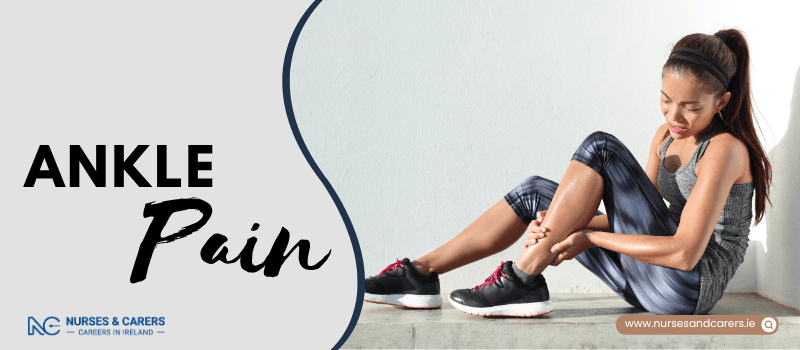
Ankle Pain refers to any discomfort, soreness, or aching in the ankle joint.
Understanding Ankle Pain
· Common Issue: There are many different causes of ankle pain, ranging from minor strains to underlying joint conditions.
· Self-Care: Most mild cases of ankle pain can be successfully treated and eased at home using self-care techniques.
· When to See a GP: You should contact a healthcare professional or GP if your ankle pain does not improve after 2 weeks of home treatment.
Emergency Signs of a Broken Ankle
Urgent Care Required: Go straight to your nearest injury unit or emergency department if you experience any severe symptoms after a foot or ankle injury.
The Risk: These critical signs usually indicate a broken ankle (fracture) rather than a simple sprain, requiring immediate medical evaluation and an X-ray.
When to Seek Immediate Medical Help
You must go to an emergency care facility if you:
Severe Pain: Experience extreme, unbearable pain or feel faint, dizzy, or physically sick from the intensity of the pain.
Deformity: Notice that your ankle or foot has visibly changed shape, looks deformed, or rests at an odd angle.
Sound of Injury: Heard an audible snap, grinding, or popping noise at the exact moment the injury occurred.
Inability to Walk: Are completely unable to walk or bear any weight on the affected foot.
How to Ease Ankle Pain
Medical Guidance: Your GP or a physical therapist will suggest standard at-home remedies, lifestyle adjustments, and supportive tools to help your ankle heal.
The Healing Process: For minor injuries like mild sprains, following these steps can significantly reduce swelling, protect the joint, and speed up your recovery time.
The PRICE Protocol for Home Care
Healthcare professionals widely recommend the PRICE framework for managing acute ankle pain and injuries at home:
Protect: Protect your joint from further damage by wearing supportive, flat, wide shoes, or using an ankle brace if advised.
Rest: Avoid putting weight on the affected foot and stop any strenuous physical activities or high-impact exercises.
Ice: Apply an ice pack wrapped in a towel to the painful area for 15 to 20 minutes every 2 to 3 hours to reduce inflammation.
Compress: Wrap a supportive elastic compression bandage around the ankle to manage swelling, ensuring it is not wrapped too tightly.
Elevate: Keep your foot raised on a pillow or footstool—ideally above the level of your heart—whenever you are sitting or lying down.
Medication and Joint Support
Pain Relief: Use over-the-counter pain relief such as paracetamol to manage discomfort.
Swelling Control: Anti-inflammatory options like ibuprofen can reduce swelling; however, avoid taking ibuprofen during the first 48 hours after a sudden injury, as early inflammation is a natural part of the healing process.
What to Avoid: Avoid hot baths, heat packs, consuming alcohol, or getting massages during the first few days of a new injury, as these can increase swelling.
Do: Best Practices for Easing Ankle Pain
· Rest and Raise: Rest your foot and elevate your ankle above heart level whenever you can to lower swelling.
· Apply Cold Packs: Place an ice pack—or a bag of frozen vegetables wrapped in a tea towel—on the joint for up to 20 minutes every 2 to 3 hours.
· Choose Right Footwear: Wear wide, comfortable shoes featuring a low heel and a supportive, cushioned sole.
· Add Shoe Cushions: Insert soft insoles or supportive heel pads into your daily shoes to reduce joint pressure.
· Use a Support Bandage: Wrap a supportive elastic compression bandage around your ankle to stabilize it and limit swelling.
· Gentle Stretching: Try regular, gentle stretching exercises for your ankle and calf muscles to maintain flexibility.
· Take Pain Relief: Manage discomfort with paracetamol or non-steroidal anti-inflammatory drugs (NSAIDs) like ibuprofen or diclofenac, following package instructions.
Don't: Practices to Avoid with Ankle Pain
· Avoid Overuse: Do not walk or stand for extended periods, as prolonged weight-bearing can worsen inflammation and delay healing.
· Avoid Unsupportive Footwear: Do not wear high heels or tight, pointy shoes that crowd your toes and strain your ankle joint.
How Your Pharmacist Can Help
· Accessible Experts: Your local pharmacist is a highly trained healthcare professional who can offer immediate advice and treatments for ankle pain, without needing an appointment.
· The Main Benefit: Speaking with a pharmacist early on can help you manage your symptoms safely at home and ensure you choose the right recovery products.
What to Ask Your Pharmacist
When visiting your local pharmacy, you can ask them for guidance on:
· The Best Painkiller: They can recommend the most appropriate medication for your specific situation (such as paracetamol or anti-inflammatory gels/tablets) and check that it will not interact safely with any other medicines you take.
· Insoles and Shoe Pads: They can help you select the right soft insoles, heel pads, or supportive ankle bandages directly from their stock to help cushion your joint.
· GP Triage: They can assess your symptoms and advise you on whether your injury requires an appointment with a GP or physical therapist, or if it needs immediate emergency care.
When to Contact Your GP
· Medical Evaluation: While many minor ankle injuries heal with home care, certain symptoms indicate that you need a professional medical assessment to check for underlying complications.
· The Risk: Delaying care for worsening or complex symptoms can lead to long-term joint instability, chronic pain, or permanent nerve damage.
Contact Your GP if:
· Severe Impact: The pain is extreme or is actively preventing you from performing your normal daily activities.
· Worsening Symptoms: The pain is progressively getting worse or keeps coming back after periods of improvement.
· No Improvement: The discomfort does not show signs of getting better after 2 weeks of proper home self-care.
· Nerve Signs: You experience any tingling, numbness, or loss of sensation in your foot or toes.
· Underlying Diabetes: You have diabetes—foot and ankle problems can quickly become much more serious due to the risk of poor circulation and reduced nerve sensation.
Common Causes of Ankle Pain
· Everyday Triggers: Many cases of ankle pain are simply caused by everyday factors, such as exercising too much (overuse) or wearing shoes that are too tight or unsupportive.
· Symptom Clues: Paying close attention to your specific symptoms—such as when the pain started and where it hurts—can help you identify the likely cause of your discomfort.
Identifying the Cause by Your Symptoms
Here are the most common medical explanations for ankle pain based on typical symptom patterns:
· Sprained Ankle
o Symptoms: Pain, noticeable swelling, and bruising.
o Trigger: Usually starts immediately after twisting the joint during intense or repetitive exercise.
· Achilles Tendonitis
o Symptoms: Pain concentrated in your ankle, heel, and calf muscle.
o Trigger: The pain typically worsens or catches specifically when you try to stand on your tiptoes.
· Bursitis
o Symptoms: Visibly localized redness, swelling, and a persistent, dull aching pain around the fluid-filled sacs protecting the joint.
What to Do Next
· Do Not Panic: Do not worry if you are still not completely sure what is causing your ankle pain.
· Initial Steps: Start by following standard self-care advice to ease the pain at home (such as resting and icing the joint).
· When to Get Help: If the pain does not show signs of improvement after 2 weeks, contact your GP for a formal medical assessment.
Disclaimer
The information provided here is for educational and informational purposes only. It does not constitute medical advice, diagnosis, or treatment. Always consult a qualified healthcare professional or your GP for specific medical concerns, diagnoses, or health advice. Never disregard professional medical advice or delay seeking it because of information you have read here.